
Last updated November 25, 2026
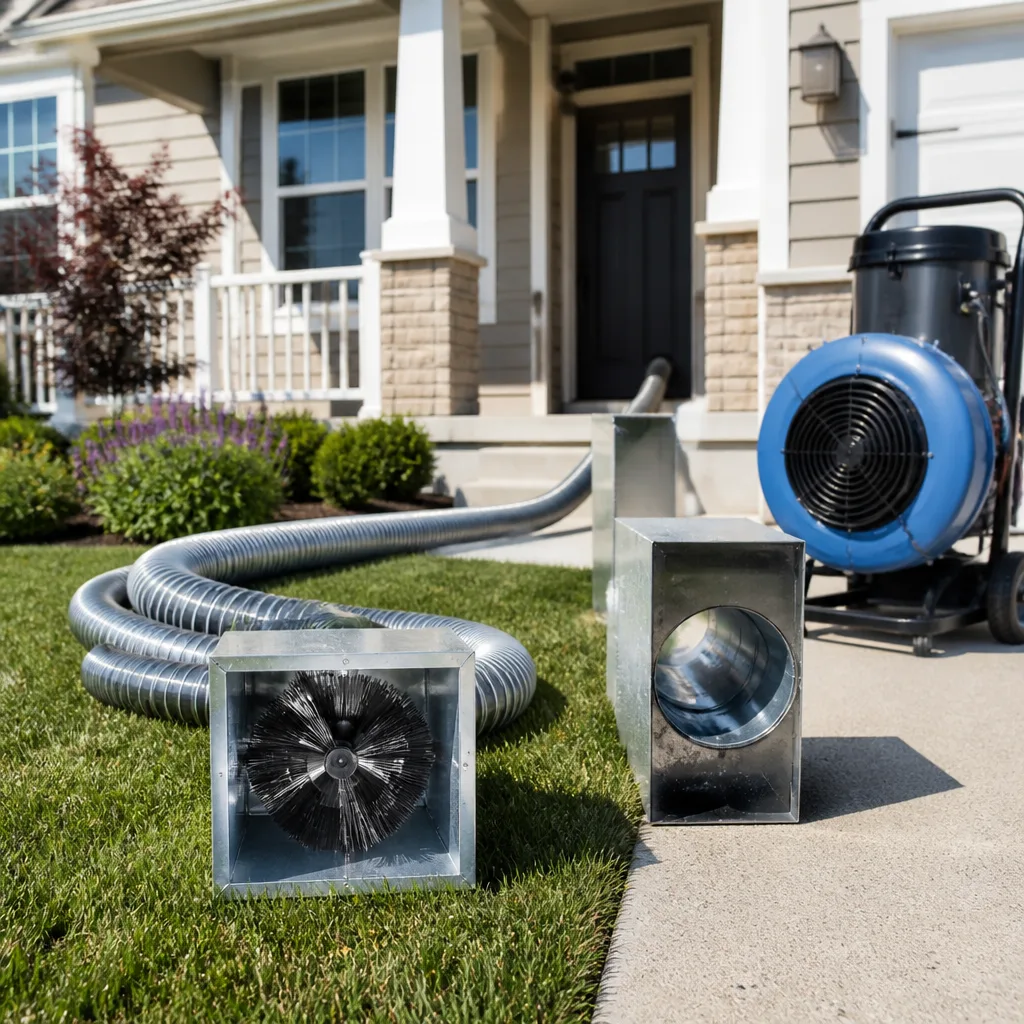 Whole-home duct cleaning
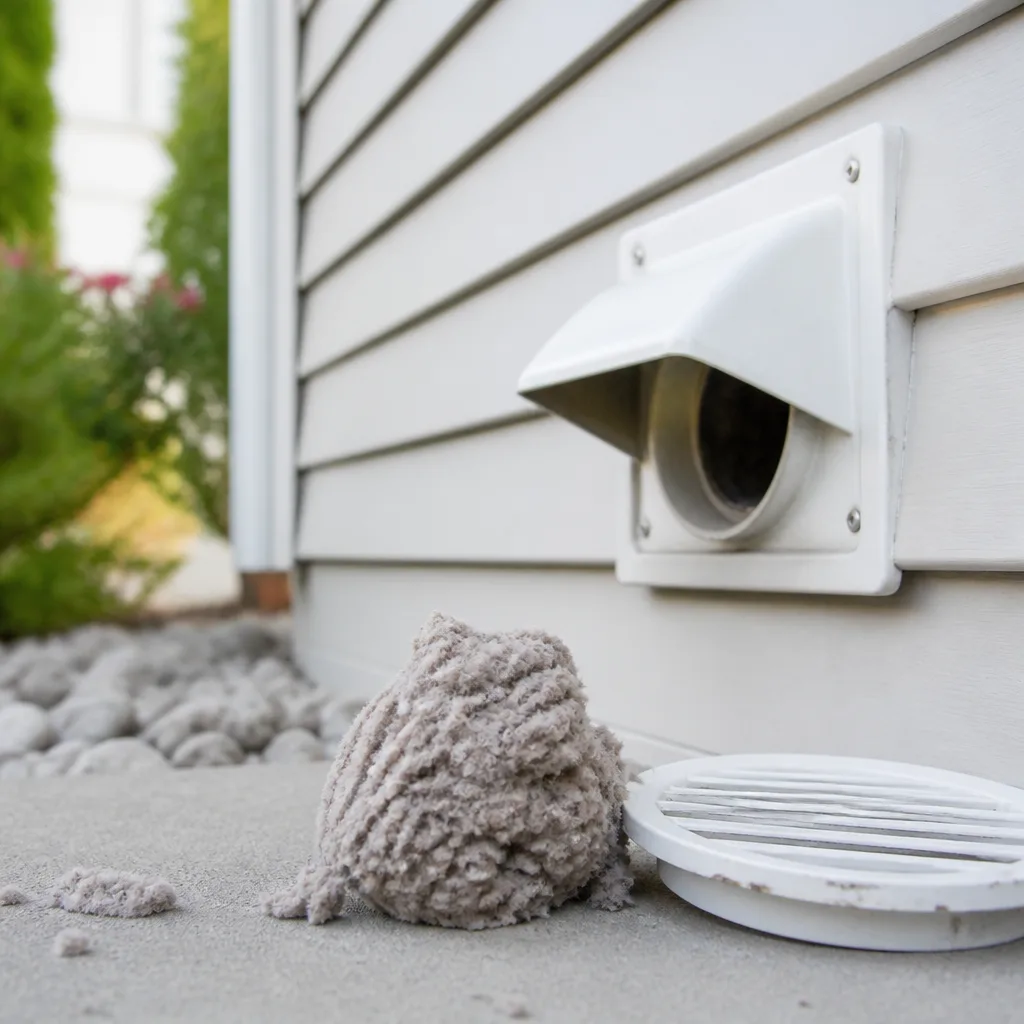 Dryer vent cleaning
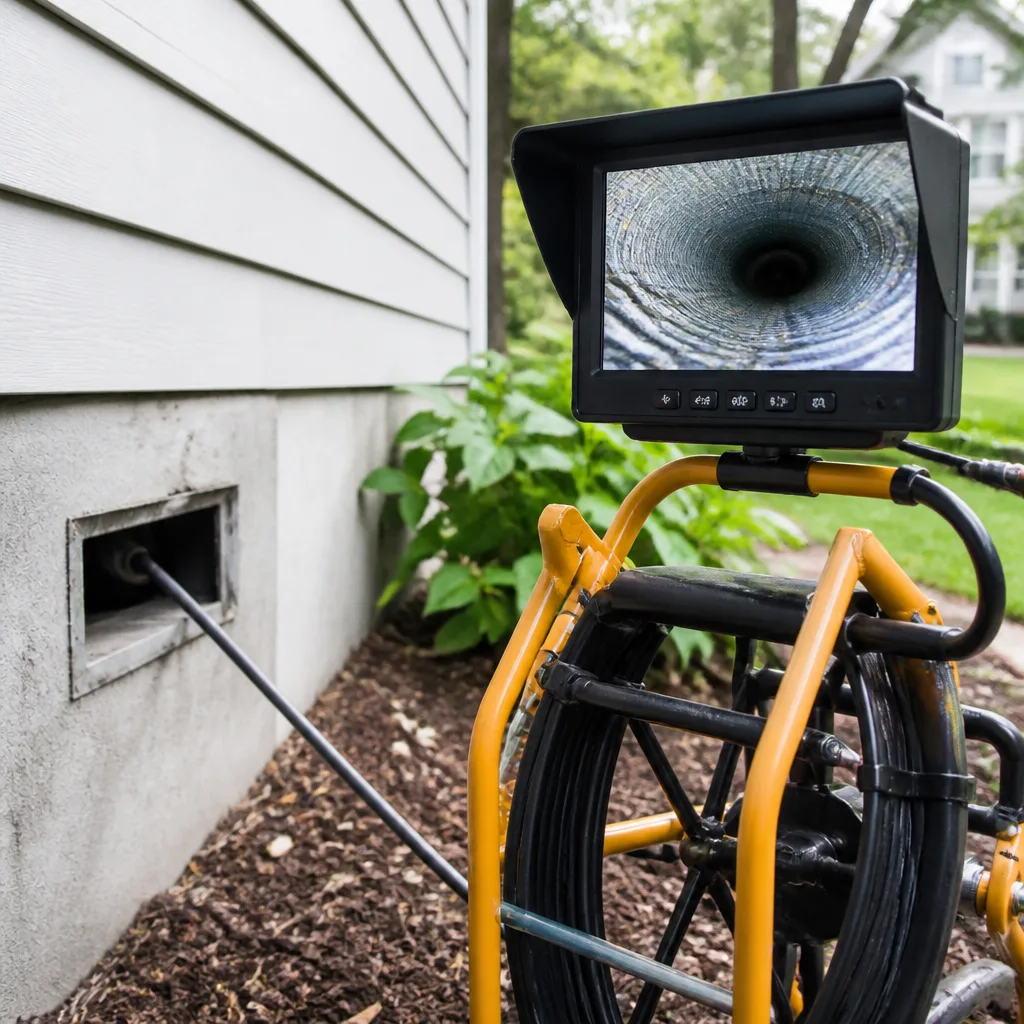 Camera inspection
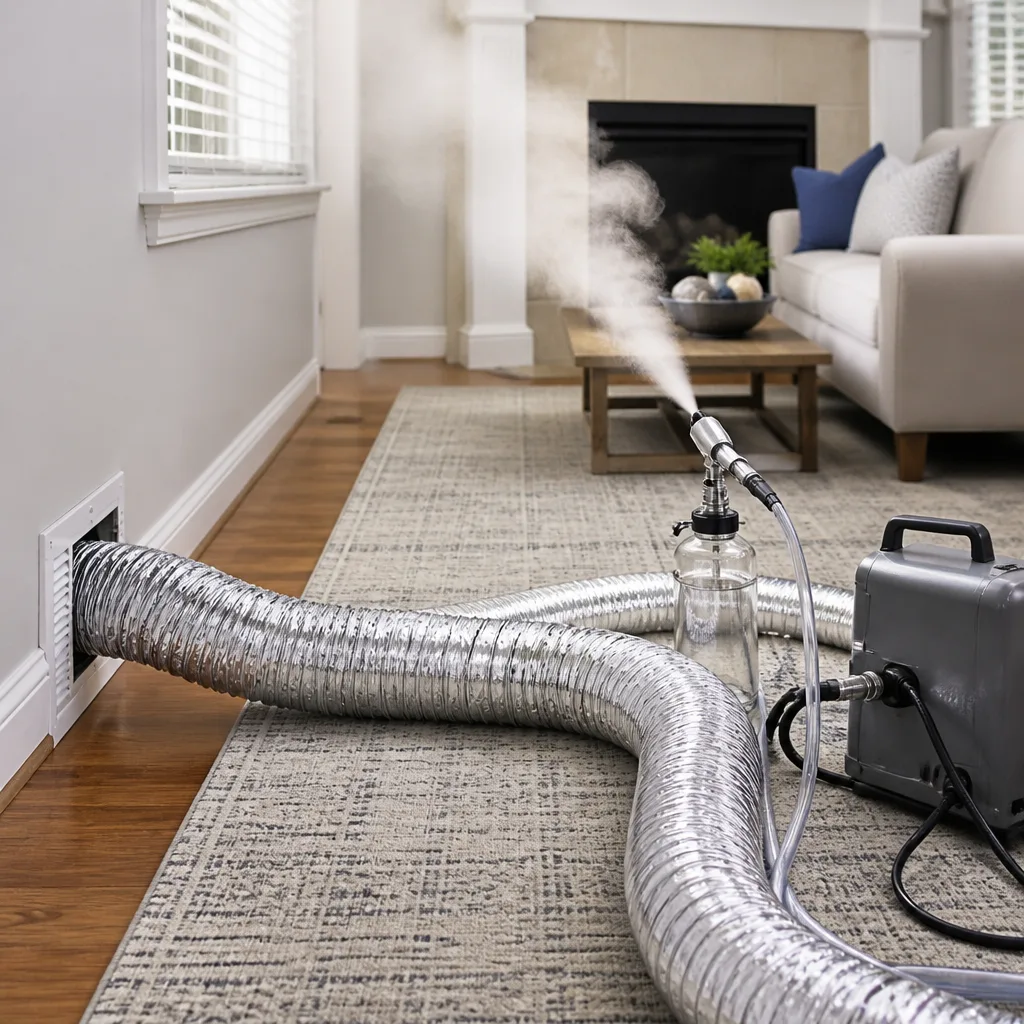 Sanitizing & deodorizing
Whole-system duct and dryer vent check with before-and-after photos - you see exactly what came out of your vents
That "$99 whole-house special" is a bait ad - the real number appears once they are in your hallway, or the "clean" is a shop-vac at the register. We photograph the inside of your ducts before and after instead.
DIY vs Professional Air Duct Cleaning: The Federal Way Homeowner’s Decision Guide
A homeowner with a shop-vac and a dryer vent brush can clean the first 18 inches of every supply boot in an afternoon. That part is real, and we won’t pretend otherwise. What that same afternoon leaves untouched is the main trunk lines, the air handler compartment, and the return plenum – and in most Federal Way homes, that’s where the majority of the settled mass lives. The honest question isn’t whether a homeowner can do something useful. It’s what a homeowner can actually accomplish with consumer tools versus what genuinely requires professional equipment. This guide answers that, line by line.
Quick Answer
DIY air duct cleaning in Federal Way is worth doing for reachable, open surfaces: register faces, the first stretch of each supply boot, and a dryer vent run you can reach with a brush. Everything past that thin layer – trunk lines, the return plenum, the air handler, and any duct run you can’t see – needs negative-pressure equipment and rotary tools that consumer vacuums can’t replicate. If your system hasn’t been serviced in several years, or you’ve noticed musty odor or uneven airflow, professional cleaning pays for itself; if your ducts are already in decent shape, sensible DIY upkeep between professional visits is a sound approach.
Styles & brands we work with
- Whole-home duct cleaning
- Dryer vent cleaning
- Camera inspection
- Sanitizing & deodorizing
Table of Contents
- What DIY Duct Cleaning Actually Accomplishes
- What Requires Professional Negative-Pressure Equipment
- When DIY Makes the Problem Worse
- How a Professional Whole-System Clean Works
- The Cost-Benefit Case: When DIY Pays and When Professional Service Does
- How to Use DIY Maintenance Between Professional Cleanings
- Why Federal Way Homes Present Specific Duct Conditions
- Common Mistakes to Avoid
What DIY Duct Cleaning Actually Accomplishes
Let’s start with credit where it’s due. A careful homeowner can accomplish more than the duct-cleaning industry likes to admit, and pretending otherwise costs us credibility. Here’s the realistic list of what consumer tools handle well:
- Register face cleaning. Removing grilles and washing them in a utility sink removes a visible film of dust that would otherwise get pushed back into the room every time the blower runs. This is genuinely worthwhile and takes minutes per register.
- Accessible boot cleaning. The curved metal or flex section running from the register into the wall or floor is reachable with a long-handled brush. Dust here is loose and responds to mechanical agitation.
- Dryer vent clearing. This is the highest-value DIY task on the list, and it’s also the one most homeowners skip. Lint buildup in a dryer vent is a leading cause of residential house fires, and a homeowner who pulls the flexible transition duct, vacuums it, and clears the exterior hood flap with a brush kit has genuinely reduced a real risk.
- Surface dusting around return grilles. Simple, safe, and it stops the system from pulling that dust straight into the filter housing.
Notice what every item on that list has in common: it’s on a surface you can see and reach. Consumer tools work on visible surfaces. The moment a duct turns a corner or narrows inside a wall cavity, the shop-vac stops mattering. That’s the structural boundary, and it’s not a knock on any homeowner. It’s just how ductwork is built.
One thing to skip: spraying consumer “duct sanitizer” foggers into a register. Without mechanical cleaning first, you’re misting a biocide over dust that never left. That’s not sanitizing the system; it’s adding a damp layer to it. Real Federal Way air duct cleaning sanitizing comes after the mechanical work, never instead of it.
What Requires Professional Negative-Pressure Equipment
This is the section that matters most, because it’s where consumer tools hit a wall. Professional duct cleaning isn’t the shop-vac at a larger scale. It’s a fundamentally different approach built around a single principle: create a vacuum strong enough to hold the whole system under negative pressure, then mechanically disturb every surface so the dislodged debris has nowhere to go but out.
Here’s what that principle covers that a homeowner cannot:
- Main trunk contamination. Trunk lines run the length of the house and carry the majority of the airflow. Dust, pet hair, and settled debris accumulate along the bottom of every horizontal run. A shop-vac can’t reach it, and a brush on a flexible rod can only agitate it – it can’t capture it, because there’s no house-wide vacuum holding the particles in suspension.
- The air handler compartment. The blower wheel, the evaporator coil, and the blower housing are where dust and microbial growth concentrate. Cleaning this safely requires disassembly knowledge, and disturbing it without containment contaminates the whole system.
- The return plenum. Every bit of air in the house passes through the return before it’s filtered. That’s the dirtiest section of ductwork in most homes, and it’s usually buried behind a furnace closet door.
- Inaccessible duct runs. Flex duct routed through tight ceiling cavities, second-floor runs above drywall, and any duct with a hidden turn are professional-only territory. There is no consumer tool that gets inside those runs and cleans them.
The equipment that makes this possible is genuinely different in kind, not degree. We use Rotobrush rotary brush systems and Nikro HEPA equipment on every job, and we run Abatement Technologies air filtration during service so that dislodged contaminants are captured rather than recirculated into the room you’re standing in. That filtration piece is where most cheap duct-cleaning quotes get cut, and it’s the piece that determines whether the job actually improves your air quality or just moves dust from one surface to another.
For any FederaI Way homeowner wondering whether their specific system qualifies as a full-system cleaning candidate, we can look at it and tell you honestly. That’s what a free estimate is for.
When DIY Makes the Problem Worse
This is where the decision gets urgent, because DIY duct work isn’t just limited – it can be actively counterproductive when done on the wrong kind of system. The core failure mode is simple and predictable:
Disturbing settled debris without sufficient negative pressure to capture it.
When you agitate dust inside a duct run without a house-wide vacuum holding the particles in suspension, that dust doesn’t vanish. It gets lofted into the airstream and distributed through your home’s supply network the next time the blower kicks on. In our experience, the most common version of this is a homeowner who runs a vent brush into a dirty trunk line, sees dust puff out of every register in the room, and assumes the clean worked. It didn’t. It redistributed.
Specific scenarios where DIY does more harm than good:
- Brushing a visibly dirty main trunk. If you look inside a return and see a heavy dust layer, that’s exactly the system that needs a professional vacuum source before anything is agitated.
- Spraying sanitizer or air freshener into registers. Without mechanical cleaning first, you’re adding moisture to a dust layer that should have been removed. In a damp Federal Way climate, that’s how you encourage biological growth rather than remove it.
- Poking tools into flex duct. Flex duct is surprisingly easy to tear or kink, and a kink restricts airflow permanently. Replacing a crushed flex run costs more than the cleaning would have.
- Forcing a shop-vac into the return plenum. This can dislodge debris from a large open plenum all at once and send it directly toward your coil.
There’s no injury risk here in the way there is with rewiring a panel or working under a car on a jack – and we won’t pretend there is. The hazard with DIY duct work is behavioral, not physical: it creates a false sense of an accomplished clean.
How a Professional Whole-System Clean Works
Understanding the actual process is the best defense against a bait-and-switch quote, and it’s the reason the price ranges in this trade vary so widely. Here’s what a genuine whole-system clean involves:
- System inspection and airflow baseline. Before any cleaning, the technician inspects the system, checks filter status, and notes any visible leaks at seams and joints. Duct fires – and duct contamination – start at the seams.
- Setup of negative pressure and HEPA filtration. A high-powered vacuum unit is connected to the system, and Abatement Technologies filtration runs throughout so airborne contaminants stay contained. This is the step that separates professional cleaning from shop-vac work.
- Mechanical agitation of every surface. Using Rotobrush rotary brush systems, the technician works every reachable run, trunk line, and register boot, loosening settled debris so it can be captured.
- Air handler and coil cleaning. The blower compartment, wheel, and accessible coil surfaces get cleaned while the system is under negative pressure.
- Duct repair and sealing. This is the step most competitors skip entirely. Cleaning a system without sealing its leaks means the system recontaminates faster. Repair and sealing closes that gap, and it’s a native part of our work, not an upsell.
- Sanitizing treatment. Only after mechanical cleaning is complete, and only if biological contamination is present, a sanitizing treatment neutralizes what mechanical cleaning couldn’t reach.
- Air quality upgrade, if the homeowner wants it. This is where Honeywell and Aprilaire integration matters. A whole-home media filter or UV component added at the time of service means the system starts its clean life with better ongoing filtration.
That full sequence – clean, seal, upgrade – is what we mean by a whole-system approach. It’s also why the cost isn’t in the same category as a coupon special. Speaking of which: the honest cost conversation starts with a proper air duct cleaning evaluation, not a per-vent price in an ad.
The Cost-Benefit Case: When DIY Pays and When Professional Service Does
Here’s the pragmatic way to think about the money. DIY maintenance is genuinely free labor, and for the tasks in the first section it’s the right call. But the calculation changes as contamination gets deeper, and it changes fast.
A useful decision framework:
- DIY makes sense when: the ducts are already clean, you’re doing routine register and grille maintenance, you’re clearing a reachable dryer vent, or you’re servicing a system that was professionally cleaned within a reasonable interval and just needs upkeep.
- Professional service pays for itself when: the system hasn’t been cleaned in several years, you’ve noticed musty odor or allergy symptoms inside the home, you’ve had a renovation that generated dust, you’ve seen inconsistent airflow, or you’ve moved into a Federal Way home with unknown service history. In any of those cases, DIY is fixing the easy 20% and leaving the difficult 80% to compound.
- Repair and sealing pays for itself fastest. Cleaning without sealing means the leaks keep pulling dust from the wall cavity back into the system. Every dollar spent sealing leaks makes the next cleaning last longer – which is a direct reduction in future cost.
One more piece of the calculation that’s easy to miss: the cost range for a proper clean in Federal Way depends on the number of supply and return points, the accessibility of the trunk lines, and whether duct repair and sealing is included. A written estimate before work starts, priced per whole system rather than per vent, is what keeps that number from drifting upward once the technician is on site. That’s the honest structure, and it’s the one we use. A coupon-driven quote becomes a larger invoice once the crew is inside, and pricing per system avoids that dynamic entirely. The single number a homeowner should walk away with is this: the written estimate sets the final price.
How to Use DIY Maintenance Between Professional Cleanings
This is where a homeowner gets the most from both worlds. Professional cleaning resets the system; DIY upkeep extends the interval. Do these between professional visits and you’ll get meaningfully longer life out of each professional clean:
- Change your filter on a fixed schedule. The single highest-value maintenance task on any duct system, and the one most Federal Way homeowners do by feel rather than schedule. Set a reminder and replace it based on the manufacturer’s direction.
- Wash return and supply grilles every few months. Remove, rinse, and reinstall. It takes minutes and stops visible dust from living in the register face.
- Clear your dryer vent annually. Pull the flexible transition duct away from the dryer, vacuum out what’s reachable, and confirm the exterior hood flap opens freely. If you can’t reach the full run, that’s when dryer vent cleaning should move from DIY to professional.
- Vacuum around the furnace closet. Dust around the air handler gets pulled in through every seam. A shop-vac on the closet floor isn’t glamorous, but it stops dust at the source.
- Don’t brush or spray the trunk lines. Save the deep work for professional service, when the system can be held under negative pressure.
Here’s the key principle: routine maintenance between professional cleans is about slowing accumulation, not removing the accumulation already inside. Do those five tasks and you’ll extend intervals. Skip them and you’ll need professional service sooner than you otherwise would.
Why Federal Way Homes Present Specific Duct Conditions
Federal Way sits in a maritime Pacific Northwest climate – mild and wet for much of the year, with long stretches of high indoor humidity. That’s genuine context for duct work: a system that runs with moist air moving through it accumulates dust more slowly than you’d expect, but biological growth is a real risk when a dust layer stays damp. The mitigation is the same either way: keep the system clean, and seal the leaks that bring wall-cavity air in. That’s why duct repair and sealing belongs in the same visit as cleaning.
The bigger factor in Federal Way is housing age and HVAC layout. Homes throughout the Twin Lakes, Celebration Park, and Redondo corridor were built across several decades, and the duct systems inside them reflect that spread. Older homes often carry rigid metal ductwork with visible seams that can be sealed and evaluated, while homes from the 1990s and 2000s are more likely to have flex duct runs with sections that disappear into tight ceiling assemblies – the exact configurations where consumer tools stop working. Federal Way homes with split-level or tri-level layouts sometimes have duct runs routed oddly to serve multiple floors, which practically guarantees some highly inaccessible sections.
For Federal Way property managers and homeowners alike, the practical takeaway is the same: the decision guide’s core principle holds in any home on any street here. Reachable surfaces are the DIY layer; the rest is the professional layer. The climate may slow accumulation, but it doesn’t replace mechanical cleaning. It’s also a reason filter maintenance matters more here than in a dry climate.
Common Mistakes to Avoid
- Judging cleanliness by what you see at the register. A clean grille means a clean grille, not a clean trunk. In Federal Way homes especially, the dirtiest run in the system is usually the return plenum nobody looks inside.
- Buying a coupon price without a per-system quote. Teaser pricing is a real thing in this trade, and it’s what drives most of the distrust homeowners carry into the decision. Insist on a per-system number in writing before work begins.
- Agitating before containing. Brushing or blowing through a dirty duct run without negative pressure and HEPA filtration just spreads the dust. If you’re not capturing it, you’re not cleaning it.
- Sanitizing before mechanical cleaning. A spray fogger over an untouched dust layer is not sanitizing. It’s damp dust. Mechanical cleaning comes first, sanitizing second.
- Cleaning without sealing. Leaks in a duct system pull contaminated air from the wall cavity back into the supply side. Clean and seal in the same visit or you’ll be back sooner than you’d like.
- Forgetting the dryer vent in the annual routine. Duct-only cleaning crews frequently skip this even though it’s a genuine fire risk. Make it part of your yearly list whether you handle it yourself or hire it out.
- Poking tools into flex duct. Kinks and tears are permanent and cost more to fix than the cleaning would have. Stop at the accessible face and leave the rest to professional equipment.
See the difference
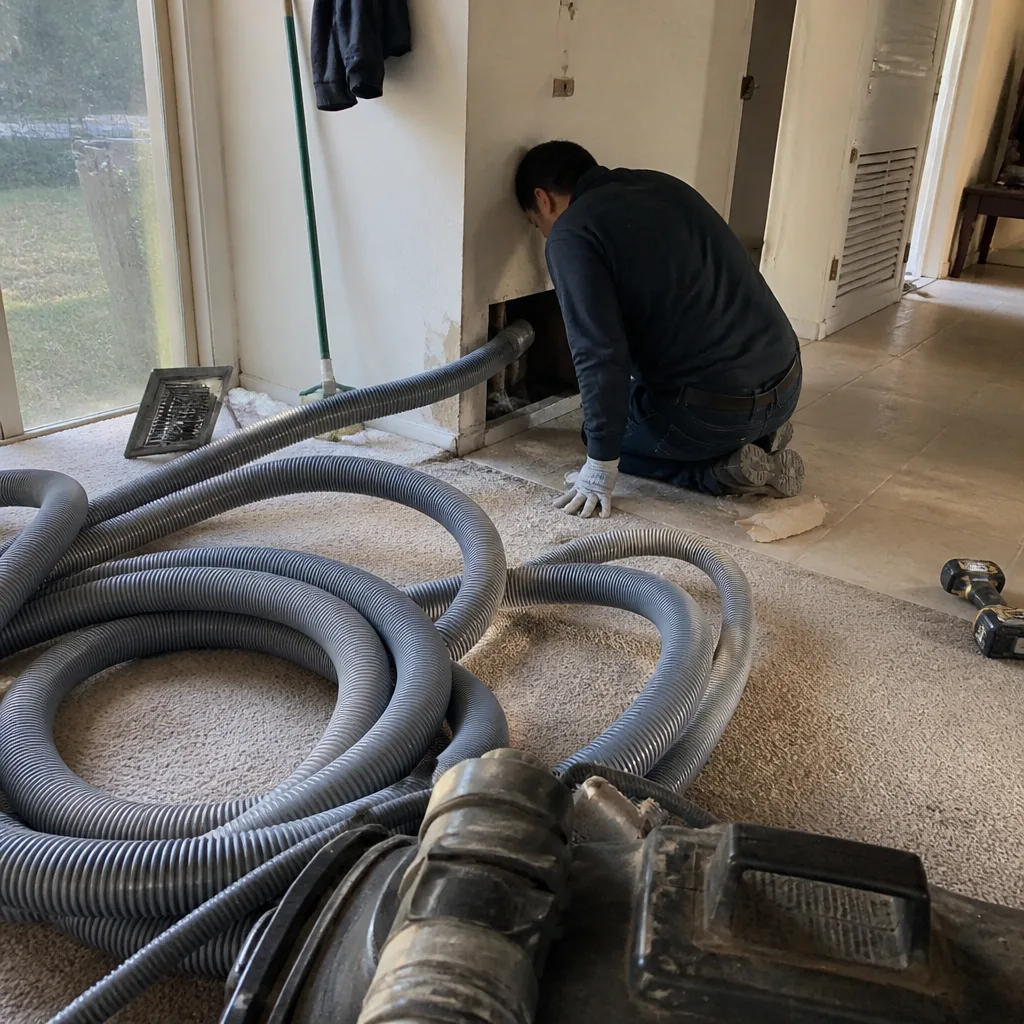 Before
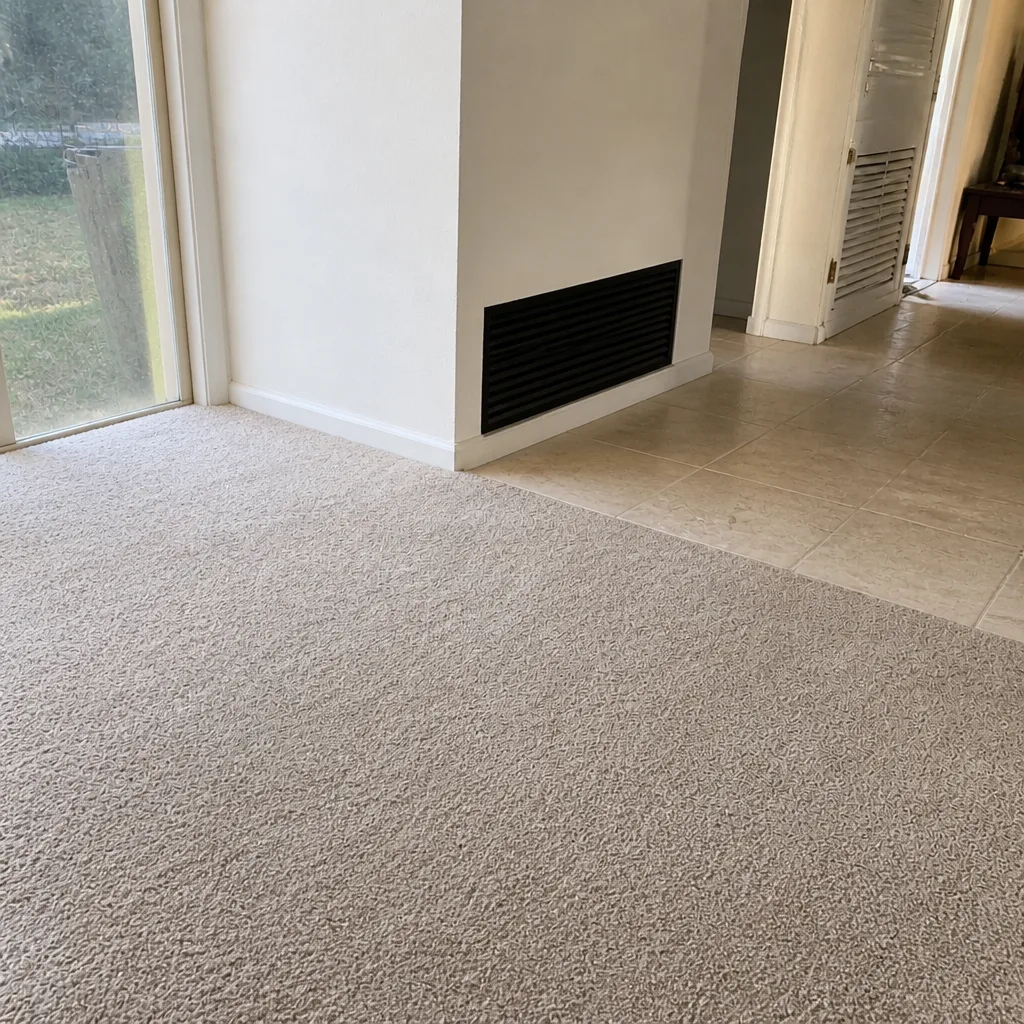 After
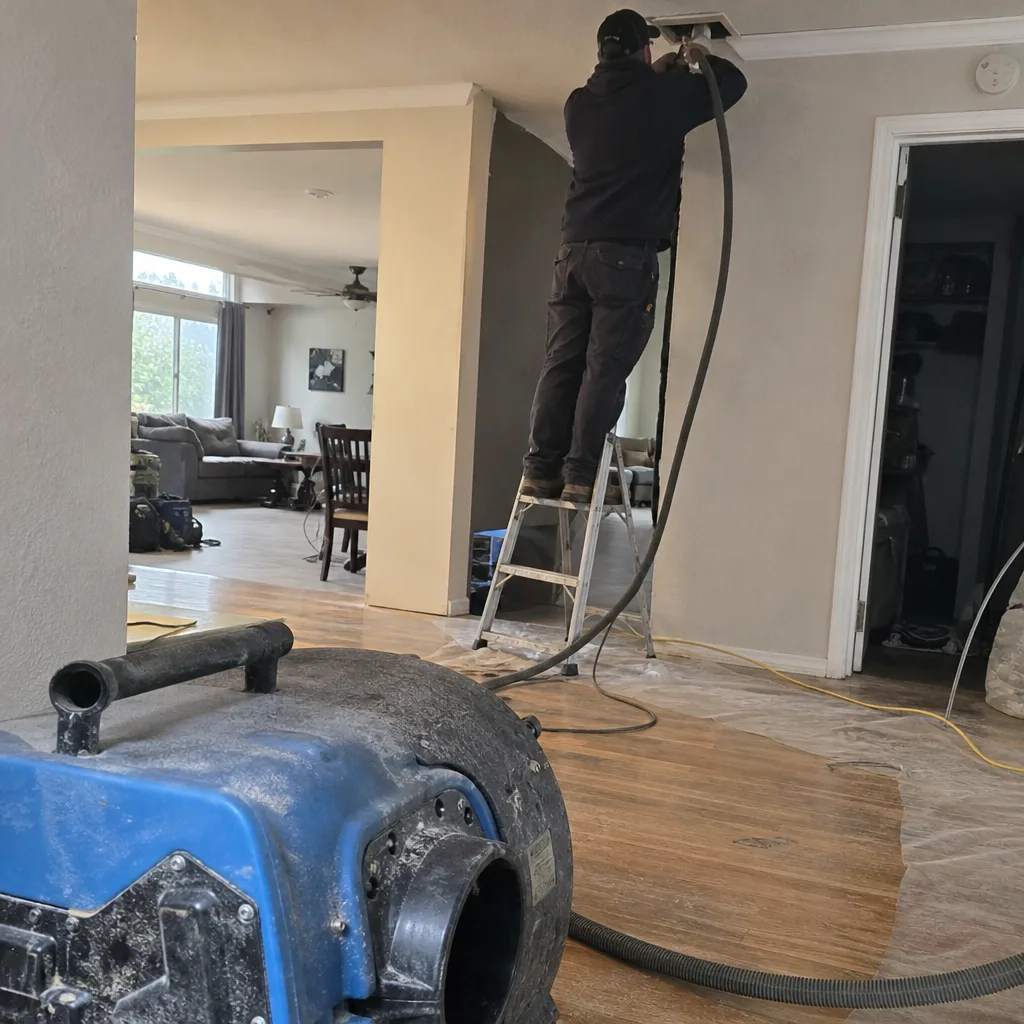 Before
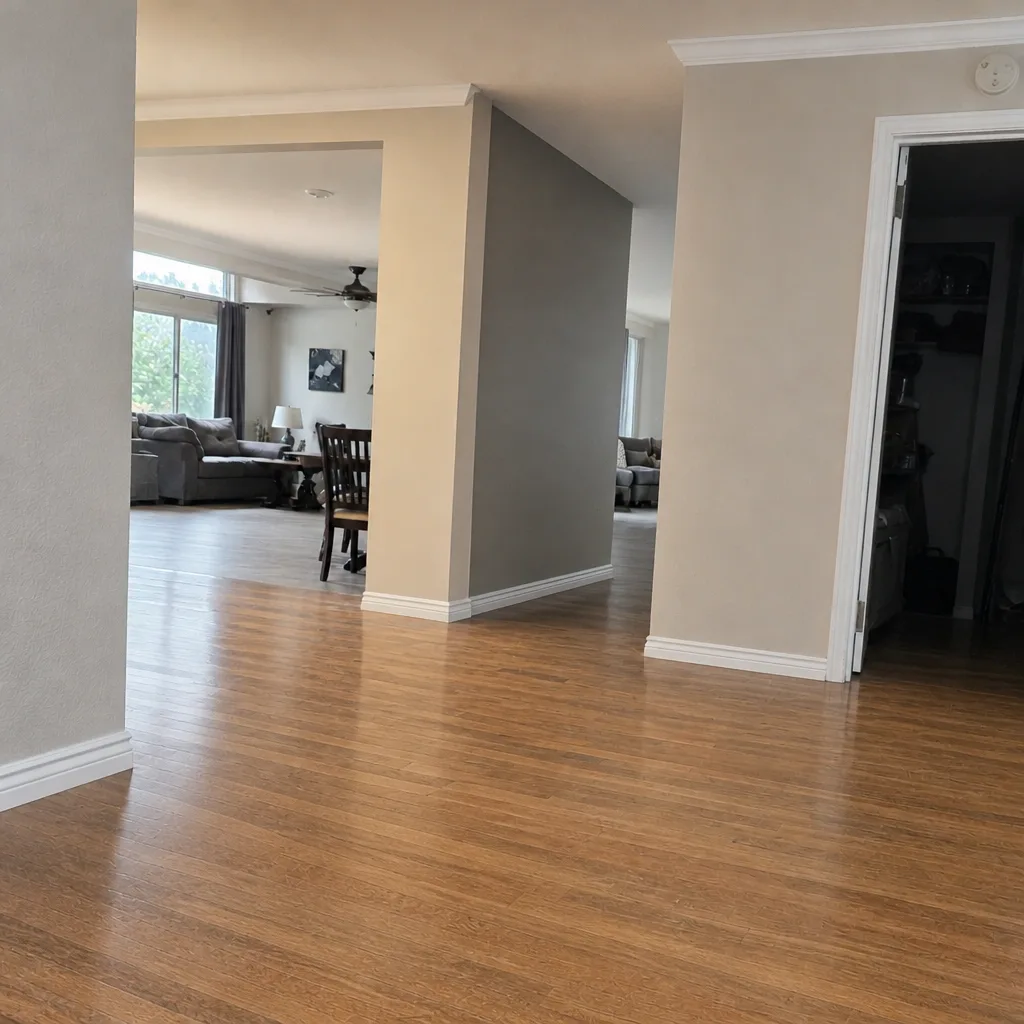 After
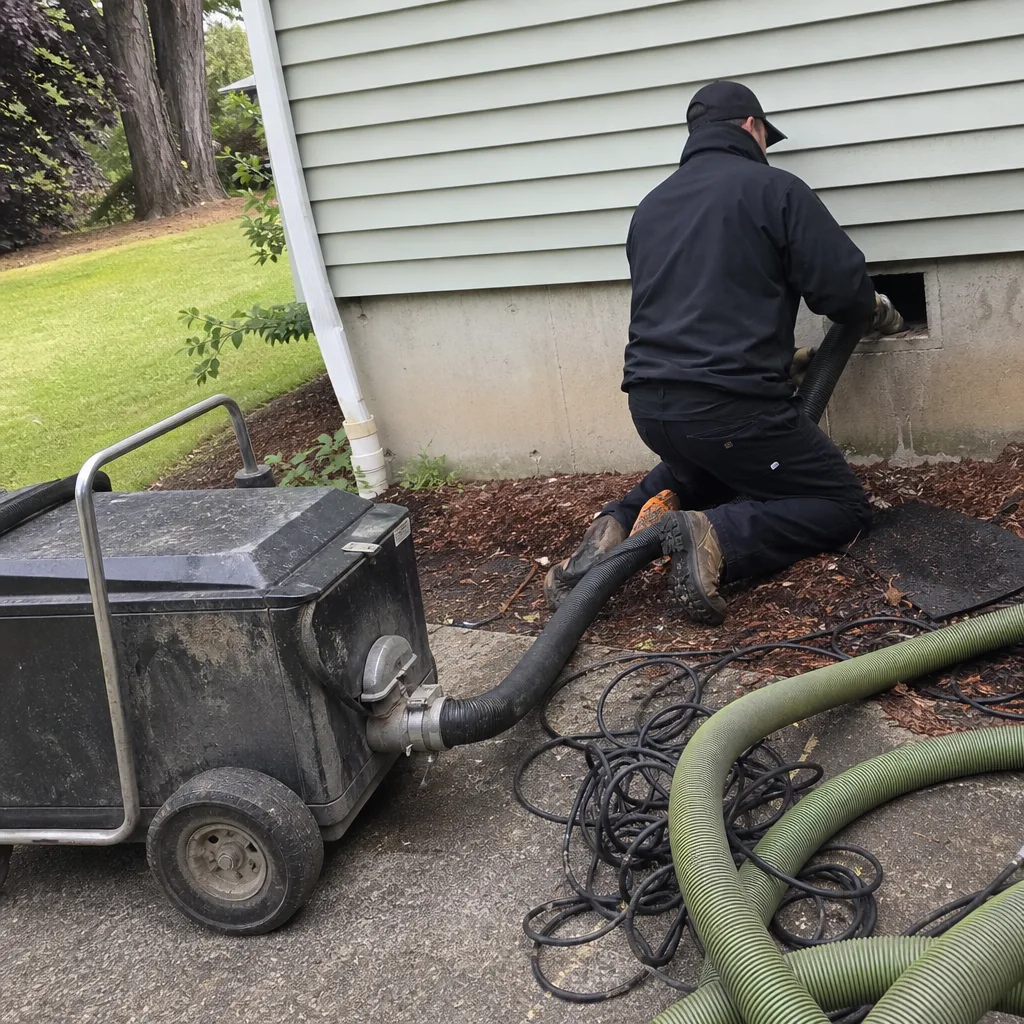 Before
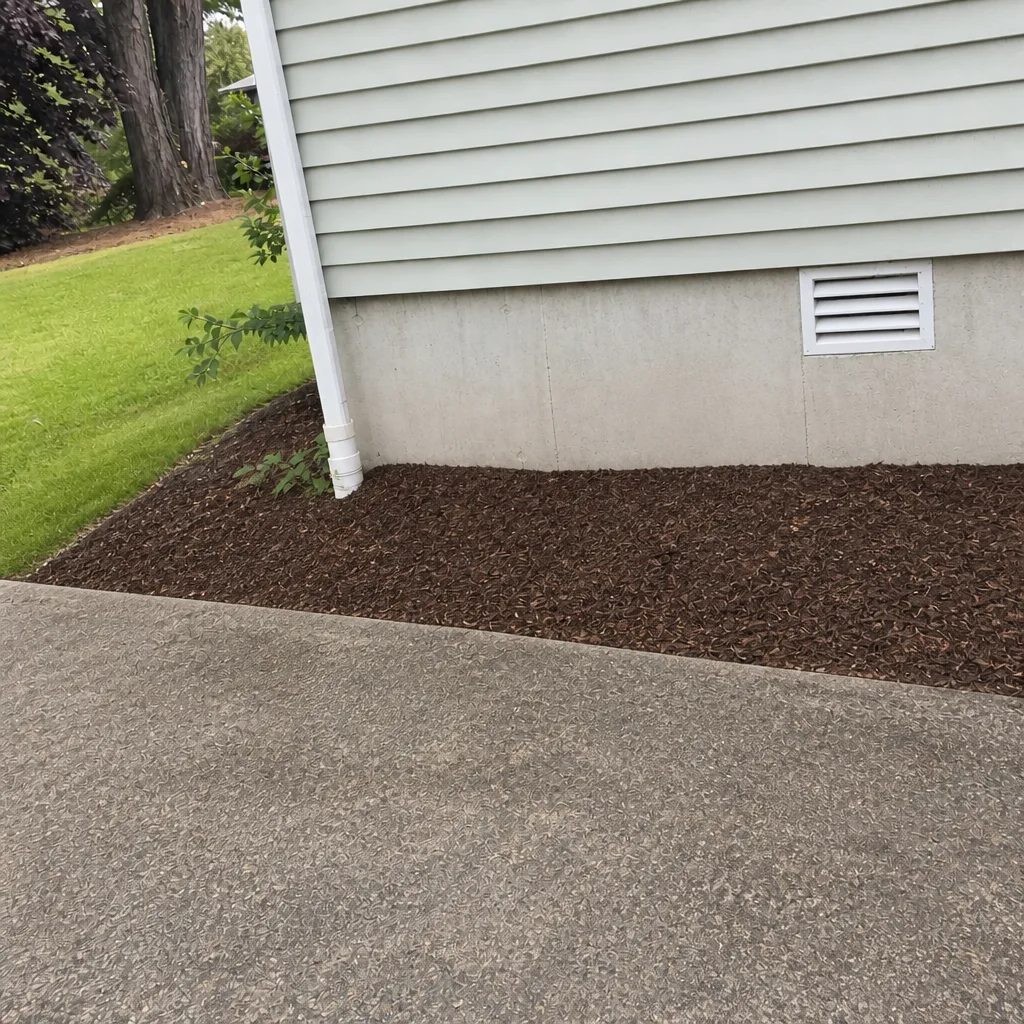 After
When to Call a Professional
Call a professional when any of these apply: your system hasn’t been serviced in several years; you’ve noticed musty odor in rooms you don’t use often; household members with allergies seem worse indoors than out; airflow is uneven between rooms; you’ve had a renovation that generated visible dust; you see dirt accumulating on the return grille face faster than usual; or your home is new to you and its service history is unknown. None of these require an emergency call, but each one points to a system that has accumulated contamination in places a shop-vac can’t safely touch. The other clear call is your annual dryer vent clearing if the run is long or difficult to reach.
Federal Way Air Duct Cleaning offers free estimates in Federal Way. Call (833) 482-6220. We answer 24/7, with fast dispatch from 7am to 7pm, Sunday through Friday. Every quote is one flat price per system, agreed before work starts, and every job gets before-and-after photos of the system we cleaned. The local pro we connect you with is licensed and insured as Washington State requires.
Frequently Asked Questions
You can clean the register faces, the first 18 inches of each supply boot, and an accessible dryer vent run with consumer tools. The main trunk lines, air handler compartment, return plenum, and any duct run hidden inside a wall or ceiling assembly need professional negative-pressure equipment and rotary brush systems – a shop-vac can’t reach those surfaces or capture the debris once it’s disturbed. So DIY is a partial answer, not a complete one.
Yes, in one specific way: disturbing settled debris without enough negative pressure to capture it redistributes that dust through the whole system. The particles end up on register faces and in the airstream rather than being removed. It’s not dangerous, but it produces the opposite of the intended result and can leave you believing a clean happened when it didn’t.
For a typical Federal Way home, professional whole-system cleaning every few years is a reasonable interval, adjusted for pets, allergies, recent renovation, or smoking indoors. Homes with DIY maintenance between visits can extend that interval; homes that skip filters and skip maintenance need it sooner. If you’re unsure, a free estimate inspection can tell you where your system actually stands.
Change your filter on schedule, wash grilles every few months, vacuum around the furnace closet, and clear your dryer vent if you can reach the full run. Those four tasks extend the interval between professional cleans without compromising the system. Don’t brush or spray the trunk lines – that’s the professional-layer work, and doing it wrong is worse than not doing it.
Because they’re cleaning less. Cheaper quotes typically skip proper negative-pressure setup, skip HEPA filtration, clean only the visibly accessible register faces, and leave out duct repair and sealing entirely. The work that determines whether air quality actually improves is precisely the work that gets cut. A proper whole-system clean has to cover every reachable run under negative pressure, and that costs more to do correctly. Call (833) 482-6220 for an honest per-system quote.
Ask for before-and-after photos of your system – every reputable provider can produce them, and a crew that can’t show you the inside of your ducts isn’t giving you a verifiable service. On our jobs, you get photos of the actual system we cleaned. Call (833) 482-6220 to schedule a free estimate and see the difference in airflow and air quality.
The Bottom Line
DIY air duct cleaning is genuinely useful for the reachable layer: register faces, supply boots, dryer vent runs, and the space around the air handler. That work is worth doing, and it will extend the time between professional cleans. But the majority of settled contamination lives in the trunk lines, the return plenum, and the air handler – surfaces that require professional negative-pressure equipment, HEPA filtration, and rotary brush systems to clean properly. The decision rule is straightforward: do the reachable work yourself, and bring in professional help when contamination has gone deeper or the system hasn’t been touched in years. When you do, insist on one flat price per system agreed in writing before work starts, and before-and-after photos of your ducts. For a proper HVAC cleaning that also seals what caused the problem in the first place, that’s the process that matters – and it’s the one we use on every Federal Way job.
Call (833) 482-6220 for a free estimate. We answer 24/7, with fast dispatch from 7am to 7pm, Sunday through Friday.
Written by the team at Federal Way Air Duct Cleaning.