
Last updated November 25, 2026
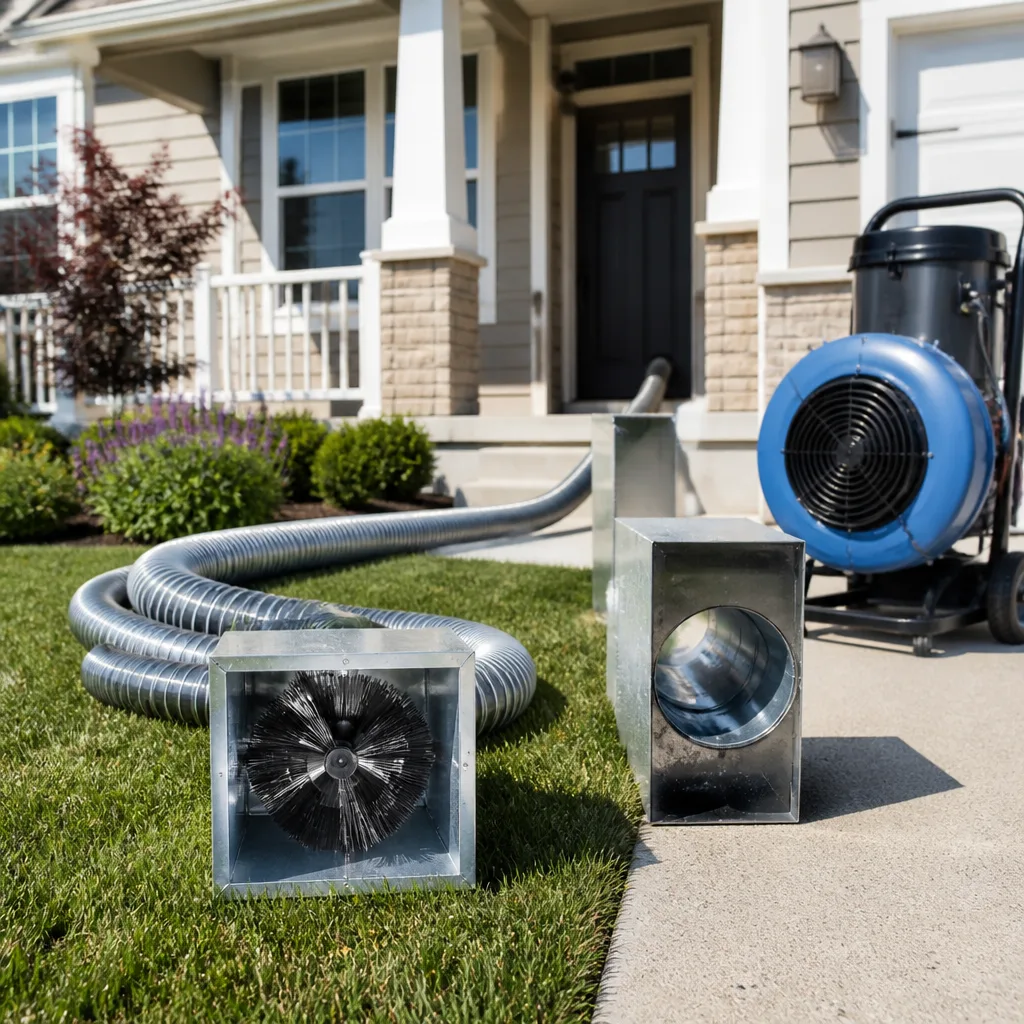 Whole-home duct cleaning
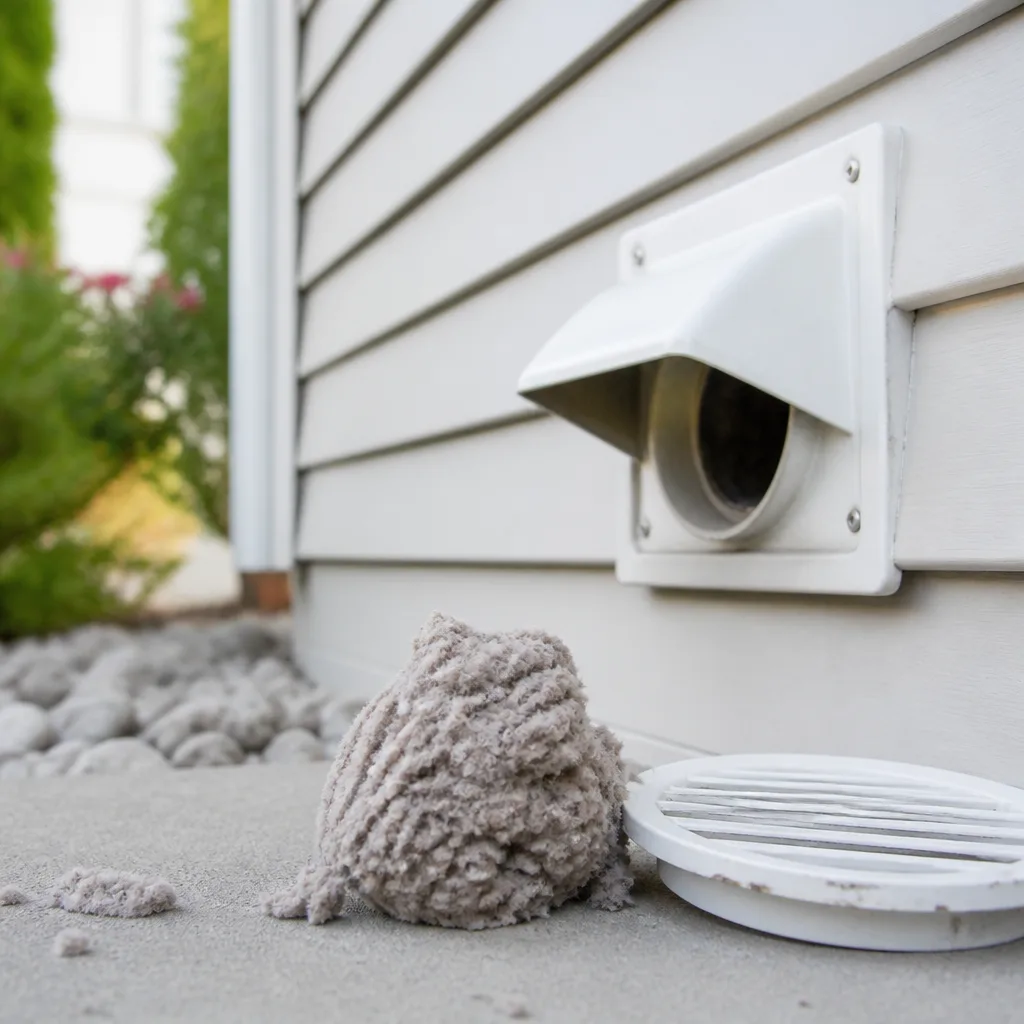 Dryer vent cleaning
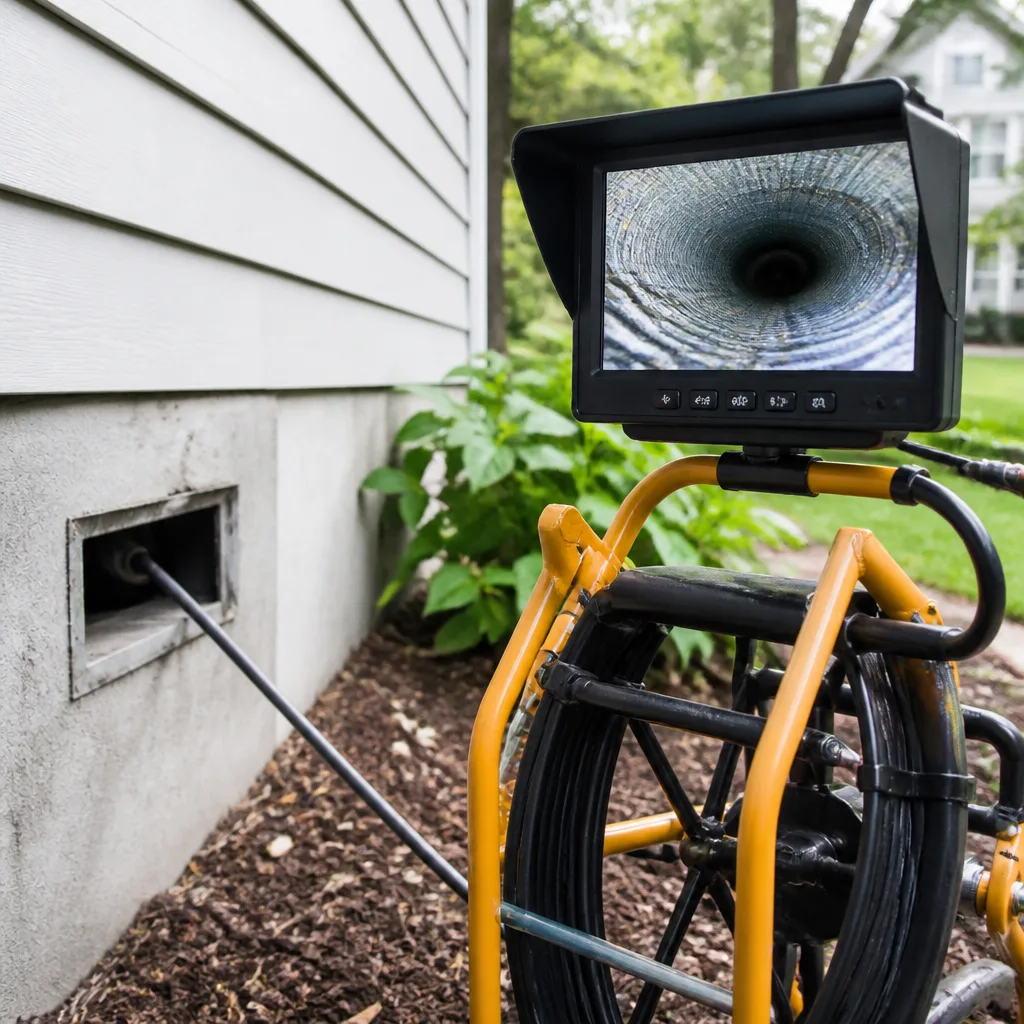 Camera inspection
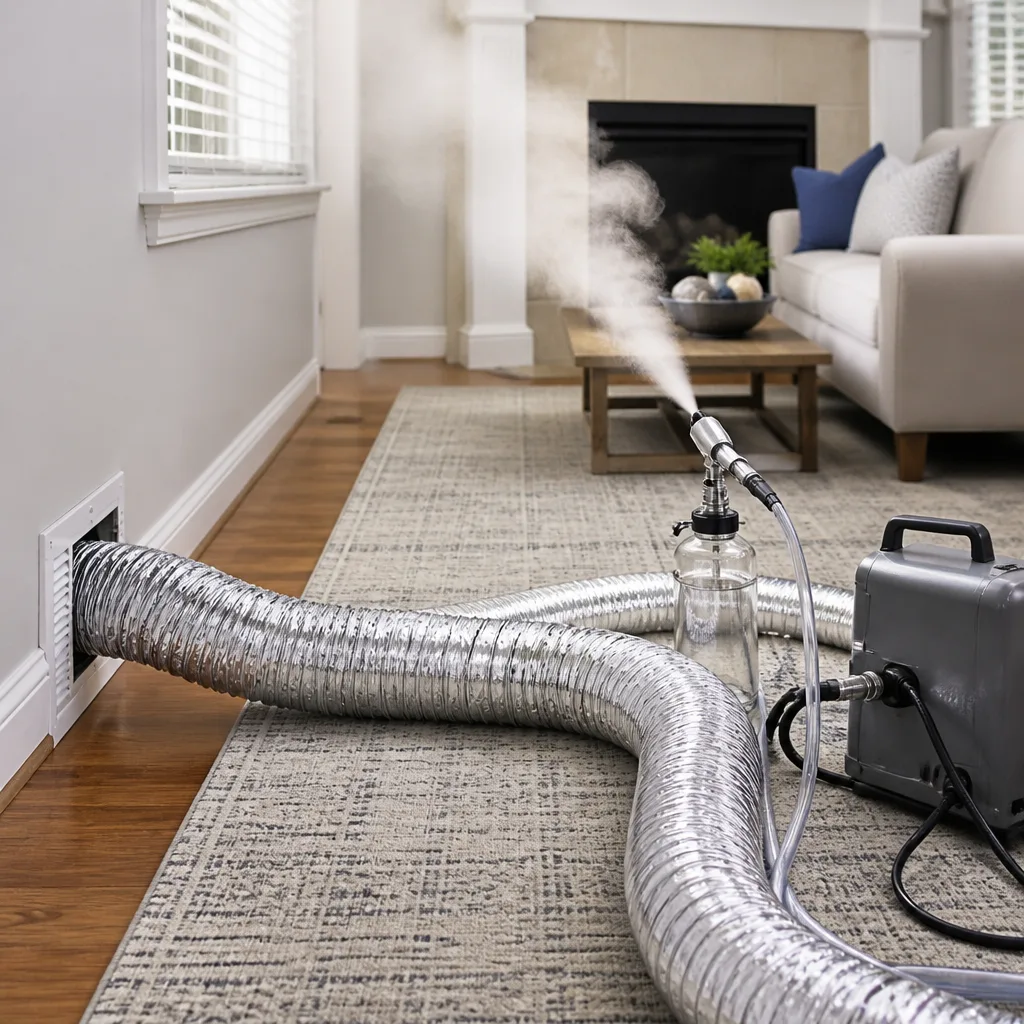 Sanitizing & deodorizing
Whole-system duct and dryer vent check with before-and-after photos - you see exactly what came out of your vents
That "$99 whole-house special" is a bait ad - the real number appears once they are in your hallway, or the "clean" is a shop-vac at the register. We photograph the inside of your ducts before and after instead.
How to Hire an Air Duct Cleaning Contractor in Federal Way: A Step-by-Step Guide
Washington State doesn’t license duct cleaners, which means the barrier to entry is owning a van and printing business cards. That surprises most homeowners. They assume there’s a state board checking equipment, training, or insurance before someone climbs into their crawlspace and opens up the supply trunk. There isn’t. The only real protection a Federal Way homeowner has is knowing which questions to ask before anyone touches the system. This guide walks through those questions in the order they matter: equipment, insurance, written scope, pricing, and the certification claims that get tossed around loosely.
Quick Answer
Hiring an air duct cleaning contractor in Federal Way means verifying three things before you book: the equipment (rotary brush agitation plus a negative-pressure vacuum with a stated CFM rating), proof of general liability and workers’ comp insurance, and a written scope of work listing exactly which duct sections and components are included. Ask about all three up front, get the scope in writing, and treat any contractor who dodges the equipment question as a pass.
Styles & brands we work with
- Whole-home duct cleaning
- Dryer vent cleaning
- Camera inspection
- Sanitizing & deodorizing
Table of Contents
- Why Washington Doesn’t License Duct Cleaners
- The Equipment Questions That Separate Pros From Pretenders
- Insurance: The Protection That Actually Matters
- How to Request a Written Scope of Work
- What Duct Cleaning Should Cost in Federal Way
- What NADCA Membership Verifies – and What It Doesn’t
- The Hiring Process, Step by Step
- Common Mistakes to Avoid
Why Washington Doesn’t License Duct Cleaners
Washington regulates electricians, plumbers, and asbestos abatement contractors. It does not regulate duct cleaning. Anyone with a business license can offer the service, buy a shop vac, and start booking jobs. That’s the reality in Federal Way and every other city in the state.
What this means practically is that the phrase “licensed and insured” gets used loosely. A contractor’s business license is a tax registration, not a competency check. There’s no state exam for duct cleaning, no required continuing education, and no equipment standard enforced by any agency. When a Federal Way homeowner asks “are you licensed,” the honest answer from a legitimate contractor is usually some version of “there’s no license for this work in Washington, but here’s our insurance certificate and here’s the equipment we run.” That answer is a good sign. A contractor who claims a state duct cleaning license is either confused or misleading you.
The gap matters more than people realize because duct cleaning involves opening the system that heats and cools your home. A botched job can dislodge debris into the HVAC equipment, damage flex duct, or leave the system dirtier than it started. Since no agency is checking, your due diligence is the only quality control in the process. That’s not a reason to skip the service. It’s a reason to ask better questions than “how much.”
The Equipment Questions That Separate Pros From Pretenders
A proper duct cleaning requires two things working together: something that agitates the debris stuck to the duct walls, and something that pulls that debris out of the system while it’s loose. Skip either one and you’re paying for a surface pass. Here are the specific questions to ask, and what answers should make you pause.
What agitation method do you use?
The right answer involves rotary brush systems or compressed-air whips designed for duct interiors. Rotobrush rotary brush systems are the industry standard for residential work, and Nikro equipment is common on the commercial and restoration side. Both are built to scrub the duct walls rather than blow air through them. If the answer is “we use a vacuum and a blower,” that’s not agitation. That’s a fan.
What negative pressure source do you use, and what’s the CFM rating?
Negative pressure is the vacuum pulling debris out of the system and into a HEPA-filtered collection unit. The CFM rating tells you how much air the unit moves. A consumer shop vac moves a few dozen CFM on a good day. Professional truck-mounted or portable HEPA units used in duct cleaning move substantially more. A contractor who can’t state their CFM rating probably doesn’t know it, which usually means the equipment wasn’t specified for this work. Ask the number. If they can’t give it, move on.
What containment do you set up?
Look for Abatement Technologies filtration equipment or an equivalent HEPA setup. The point is that dislodged contaminants get captured instead of recirculating into your living room. Abatement equipment is standard in professional mold and contaminant abatement work, and its presence on a duct cleaning job signals a remediation-level approach rather than a quick vacuum-and-go.
- Good answers: named rotary brush system, stated CFM rating on the vacuum, HEPA containment, specific access points they’ll cut
- Red flags: “we use a big vacuum,” no CFM number, no containment mentioned, no plan for accessing the trunk line
- Walk away: agitation described as “blowing air through,” no mention of sealing registers during the job, equipment described only as “professional-grade” with no brand or spec
Insurance: The Protection That Actually Matters
In an unlicensed trade, insurance is the closest thing to consumer protection you have. Two policies matter: general liability and workers’ compensation. Ask for certificates for both before anyone shows up. A legitimate contractor will email them without hesitation. One who hesitates is telling you something.
General liability covers damage to your home. If a technician puts a ladder through a ceiling or a brush damages flex duct, that policy is what pays. Workers’ comp covers the technician if they’re injured on your property. Without it, an injury in your Federal Way home can become your problem, which is a scenario no homeowner wants to discover after the fact.
Certifications are worth less than either policy. In a state with no licensing requirement, a certificate from a training program shows the contractor invested in education, which is a positive signal. It doesn’t replace insurance. Use certifications as a tiebreaker, not as proof of protection. And notice when someone leads with a certificate and gets vague about insurance. That’s usually deliberate.
How to Request a Written Scope of Work
A written scope is the single most useful document in this process. It turns a verbal handshake into something you can check the finished job against. Ask for it before the appointment, and compare it to what actually happens on site.
- Which duct sections are included. Supply and return? Trunk lines and branches? The main plenum? All of it should be listed. “Full system cleaning” without a breakdown is not a scope.
- Which components are covered. Registers and grilles, the air handler, the blower, the evaporator coil, and the condensate pan all need to be named if they’re included. Many quotes cover only the ducts and skip the equipment.
- Access points. Where will the technician cut into the ductwork, and will those cuts be sealed afterward? Any contractor who opens the system should close it back up properly.
- Containment method. What HEPA equipment or negative pressure setup will be used during the job.
- Before-and-after photos. Ask for photos of your own ducts, not stock images. This is the simplest way to verify the work happened.
- Price and payment terms. The written estimate should state a flat price for the scope described. No per-vent pricing. No coupon price that changes on site.
If the contractor can’t produce a written scope, that’s your answer. Move to the next one.
What Duct Cleaning Should Cost in Federal Way
Legitimate full-system cleaning in Federal Way typically runs in the range of a few hundred to several hundred dollars depending on the size of the home, the number of registers, and whether dryer vent cleaning or duct repair is included. We price per job by written estimate so the number holds. What matters more than the exact figure is the shape of the quote. A real estimate maps to a scope. A bait-and-switch price maps to nothing until the technician is standing in your hallway with a clipboard.
The bait-and-switch pattern looks like this: an unusually low advertised price, an arrival that turns into an “inspection” with photos of dust, then a much larger invoice because “your system needs the premium package.” The low price was never real. It was a door-opener.
What to check in the quote
- Is the price flat for the scope, or does it change once the technician sees the system?
- Does the quote break out cleaning separately from repair, dryer vent, and sanitizing?
- Are per-vent charges involved? If yes, ask why the price is structured that way.
- Is there a written estimate with a total on it?
A fair quote might not be the lowest one you receive. That’s the point. A contractor quoting in the middle of the range with a clear scope and named equipment is a better bet than the cheapest number on the list.
What NADCA Membership Verifies – and What It Doesn’t
NADCA is the National Air Duct Cleaners Association, and its membership is a real signal. Members agree to a code of ethics, have access to industry standards, and often hold the Association’s certifications for air systems cleaning. That’s more than most Federal Way homeowners can verify on their own, and it’s worth asking about.
What it doesn’t verify is the specific job in your specific home. NADCA membership says a contractor has agreed to a set of practices. It doesn’t guarantee the crew that shows up is using those practices, and it doesn’t replace insurance, a written scope, or equipment questions. Treat it as one signal among several. A contractor with NADCA membership who also answers equipment questions cleanly and produces a written scope is a strong candidate. A contractor who leads with the membership and can’t state a CFM rating is still a pass.
Use the membership the way you’d use a good review: a reason to look closer, not a reason to stop looking.
The Hiring Process, Step by Step
If you want a repeatable process that removes the guesswork, this is the one we’d recommend to any Federal Way homeowner.
- Identify the problem. Musty odors, allergy symptoms that improve when you leave the house, inconsistent airflow between rooms, or dust settling faster than usual all point toward duct cleaning. Note which rooms and which system.
- Call two or three contractors. Ask the same questions to each so you can compare answers side by side. Equipment, insurance, and scope are the three core areas.
- Request written scopes. Compare which duct sections and components each one covers. The wider the scope, the more you can judge the price against something real.
- Ask whether repair is offered. Cleaning alone won’t fix leaky ducts. A contractor who can also handle duct repair and sealing addresses the root cause instead of just the symptom. For a full picture of the parent service, see our page on air duct cleaning.
- Ask about related services. dryer vent cleaning is worth doing while a crew is on site, since dryer vents are a leading cause of residential house fires and get skipped by duct-only contractors. HVAC cleaning covers the equipment side of the system, which is where airflow problems often start.
- Confirm the price in writing. One flat price per system, set by the written estimate, before any work starts.
- Review the before-and-after photos. Check that they’re of your ducts, taken during your job.
If any contractor balks at any step in that process, that’s a legitimate reason to drop them from the list. The good ones expect it.
Common Mistakes to Avoid
- Choosing on price alone. The lowest quote in Federal Way is often the one with the biggest surprise attached. Price without a scope is a number, not an estimate.
- Not asking about equipment. If you don’t ask what agitation method and vacuum they use, you’re trusting that the equipment is appropriate without any evidence. The answer often reveals the whole operation.
- Accepting “full system cleaning” as a scope. That phrase means nothing on its own. Ask for the written breakdown, and if the contractor can’t produce one, walk.
- Skipping the insurance check. In a state with no licensing for the trade, insurance certificates are the only real protection you have. Ask for general liability and workers’ comp before the appointment.
- Over-relying on one certification. NADCA membership or a training certificate is a good sign, but it doesn’t replace the equipment questions or the written scope. Use it as a tiebreaker, not a substitute.
- Ignoring the dryer vent. Dryer vent cleaning is its own service and addresses a documented fire risk. It’s often left out when a contractor only does HVAC ducts.
- Booking a job with no before-and-after photos. Photos of your own system are the simplest way to confirm the work actually happened.
See the difference
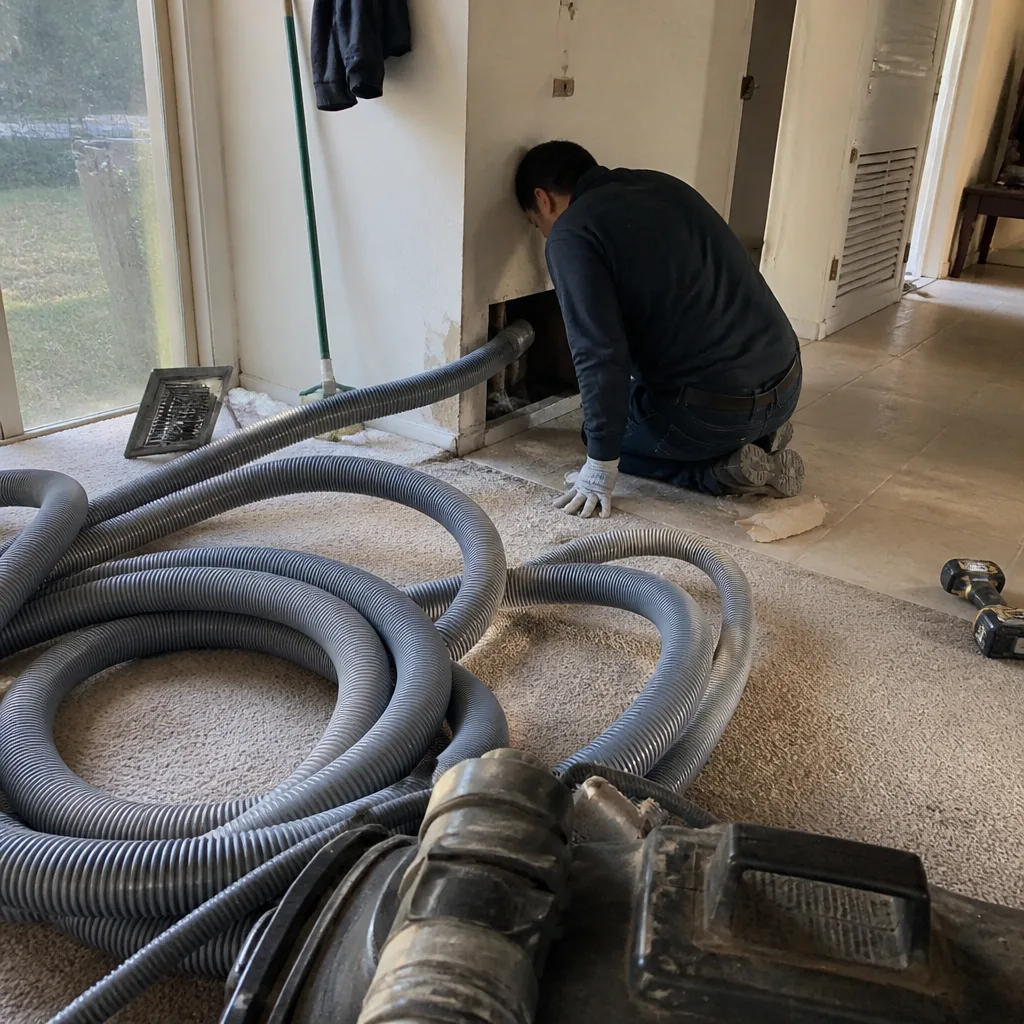 Before
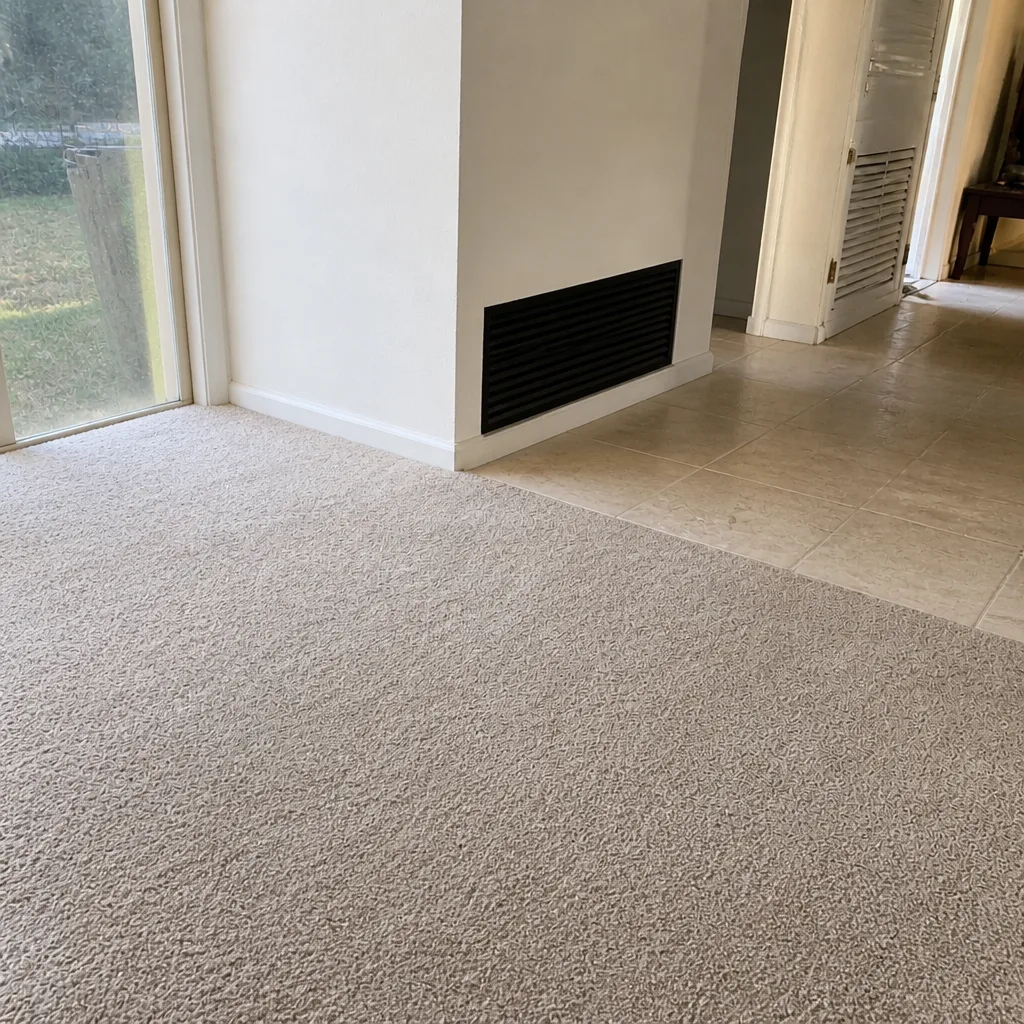 After
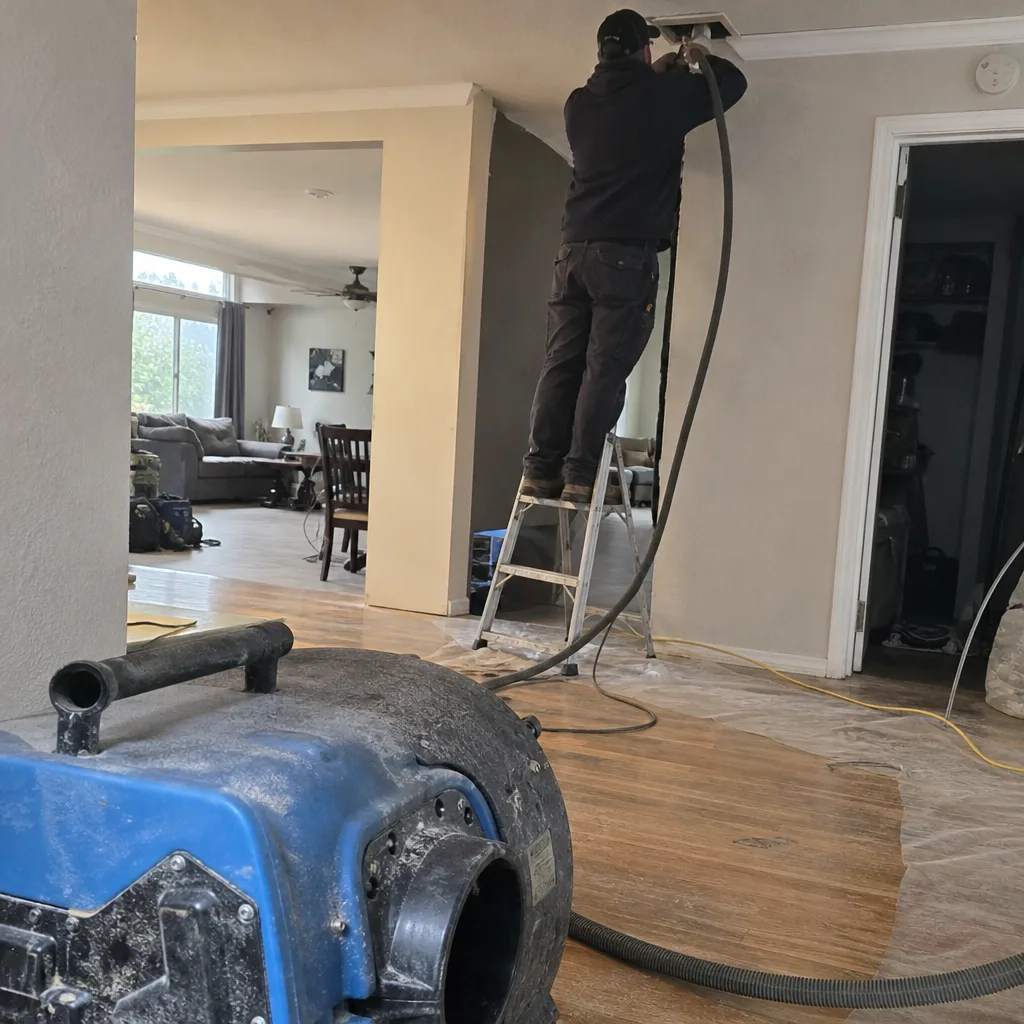 Before
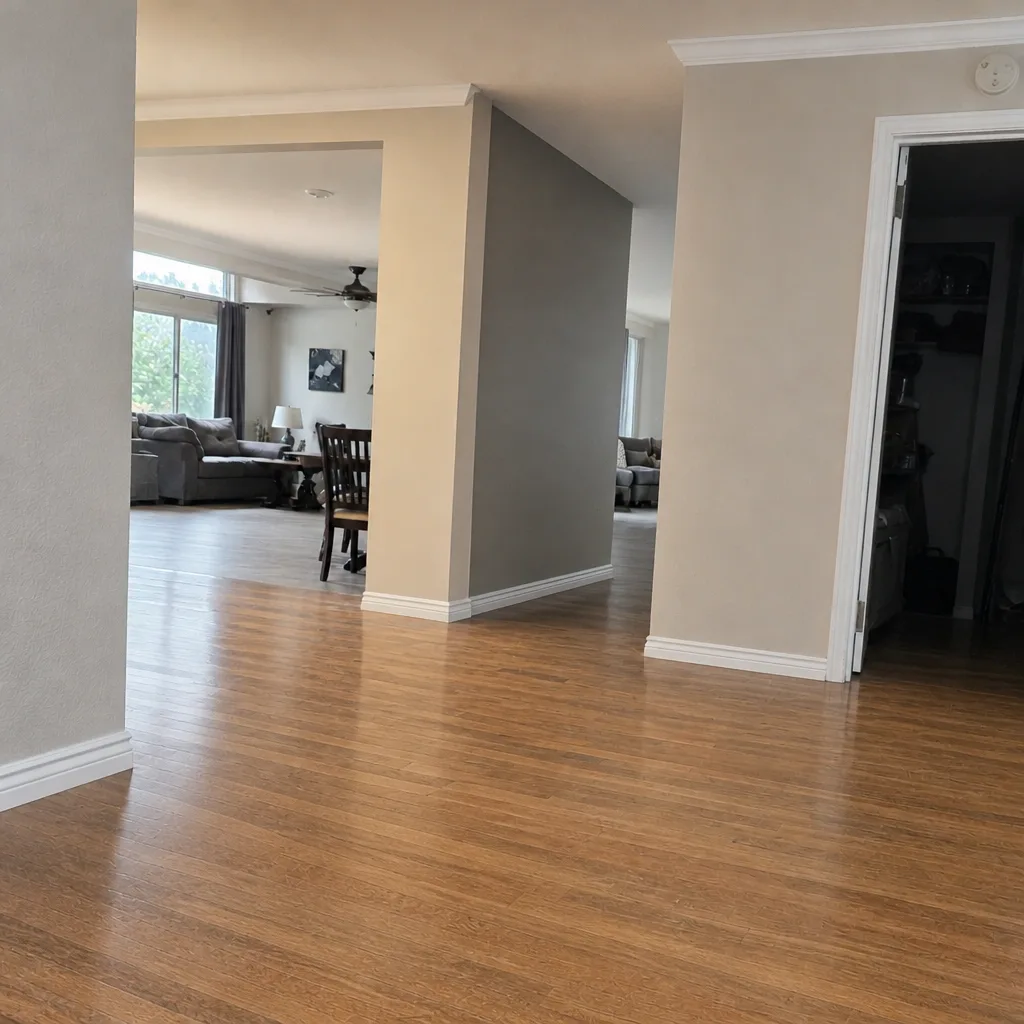 After
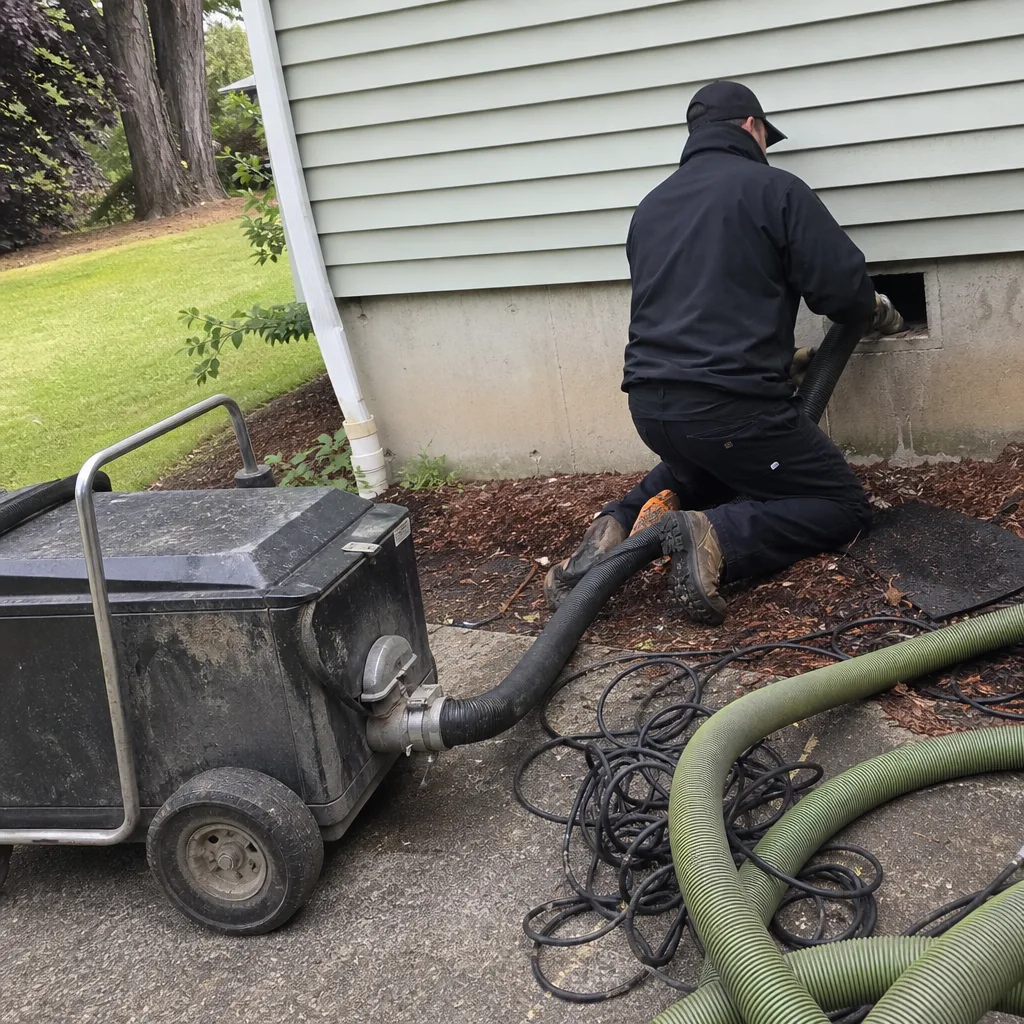 Before
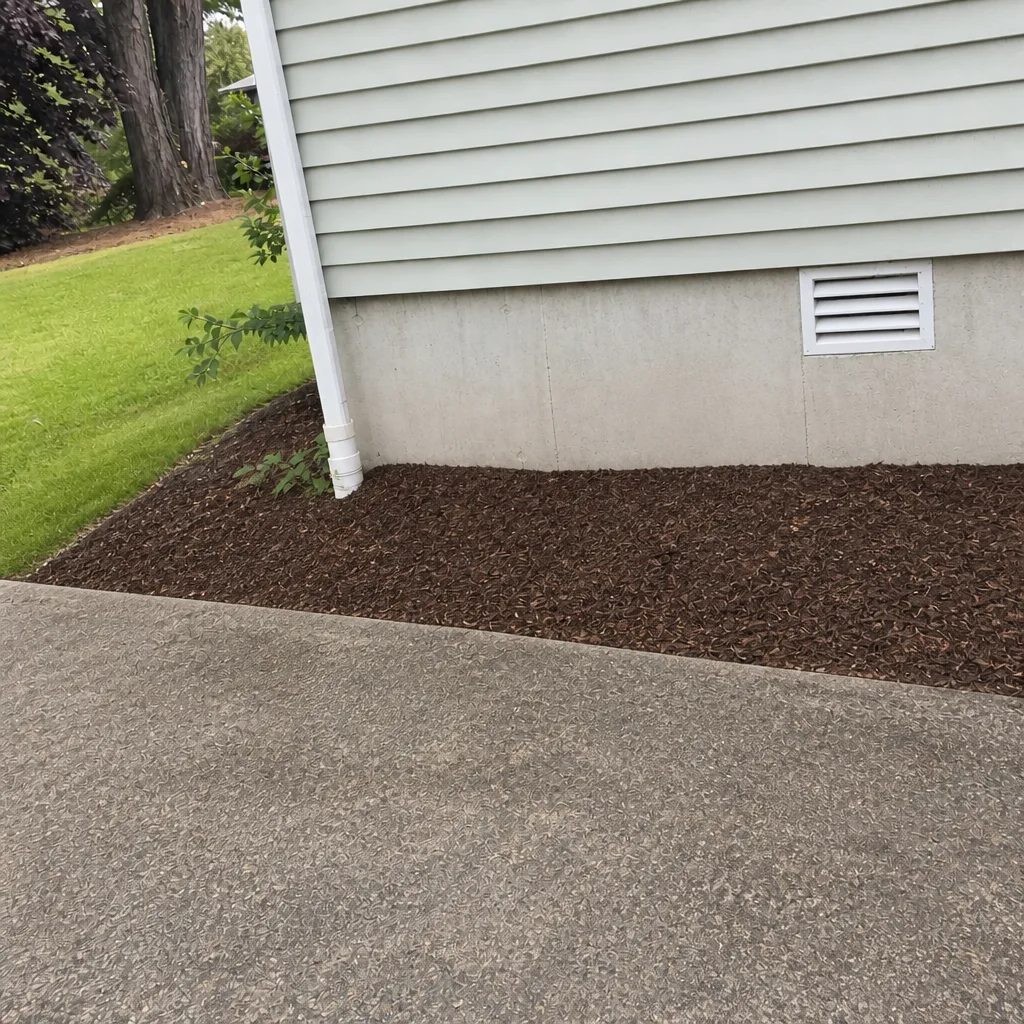 After
When to Call a Professional
Some situations warrant a call rather than more waiting. If you can see visible dust buildup at the registers, smell something musty when the heat or AC kicks on, notice uneven airflow between rooms, or haven’t had the system serviced in several years, it’s time. Recent renovation work also tends to leave construction debris inside ductwork, and that gets circulated into your living space for months if it isn’t cleaned out. The same goes for a system that’s been struggling with allergy symptoms in the household, or a dryer that’s taking noticeably longer to dry a load.
Federal Way Air Duct Cleaning offers free estimates in Federal Way – call (833) 482-6220. We answer 24/7. Fast dispatch from 7am to 7pm, Sunday through Friday. You can also start with our main page on Federal Way Air Duct Cleaning if you want the full picture of what we do.
Frequently Asked Questions
Full-system duct cleaning in Federal Way typically runs in the range of a few hundred to several hundred dollars depending on home size, register count, and whether dryer vent cleaning or repair is included. We price per job by written estimate so the number holds. Call (833) 482-6220 for an exact quote – estimates are free.
Cheap quotes are usually incomplete. They may cover only the ducts and skip the air handler and coil, use consumer-grade equipment instead of professional rotary brush and HEPA systems, or rely on a low teaser price that turns into a larger invoice once the technician is on site. A scope that matches the price is the only way to compare one quote to another. Call (833) 482-6220 and we’ll walk you through what a full scope includes – estimates are free.
Ask for before-and-after photos of your own ducts, taken during your job. That’s the single most reliable verification method. A contractor who can’t or won’t provide them is a pass. Call (833) 482-6220 and we’ll tell you exactly what photos to expect – estimates are free.
Most homes benefit from cleaning every few years, though timing depends on the home. Recent renovation work, pets, allergies, and dusty environments can push that schedule sooner. If you have visible buildup at the registers or a persistent musty smell, the schedule matters less than booking it. Call (833) 482-6220 for an assessment – estimates are free.
No. Washington doesn’t license duct cleaning as a trade. That means insurance, equipment questions, and a written scope of work are the only protections you have as a Federal Way homeowner. Ask for all three before booking. Call (833) 482-6220 and we can walk through what’s needed – estimates are free.
It can help by removing accumulated dust and debris that a system would otherwise circulate. Homes in Federal Way with mature landscaping, pets, or recent renovation work often see more buildup than they expect. Cleaning removes the source; duct repair and sealing keeps it from coming back through gaps. Call (833) 482-6220 for a free assessment.
The Bottom Line
Hiring a duct cleaning contractor in Federal Way comes down to three questions and one document. Ask about equipment: rotary brush agitation plus a negative-pressure vacuum with a stated CFM rating. Ask about insurance: general liability and workers’ comp, certificates before the appointment. Ask about scope: a written breakdown of which duct sections, components, and access points are included. The document is the written estimate – one flat price per system, agreed before work starts. Federal Way Air Duct Cleaning brings professional Rotobrush and Nikro equipment to every job, plus duct repair and sealing so the system stays clean after we leave. Our technicians have up to 9 years of experience. Call (833) 482-6220 for a free estimate. We answer 24/7. Fast dispatch from 7am to 7pm, Sunday through Friday.
Written by the team at Federal Way Air Duct Cleaning.