
Last updated November 25, 2026
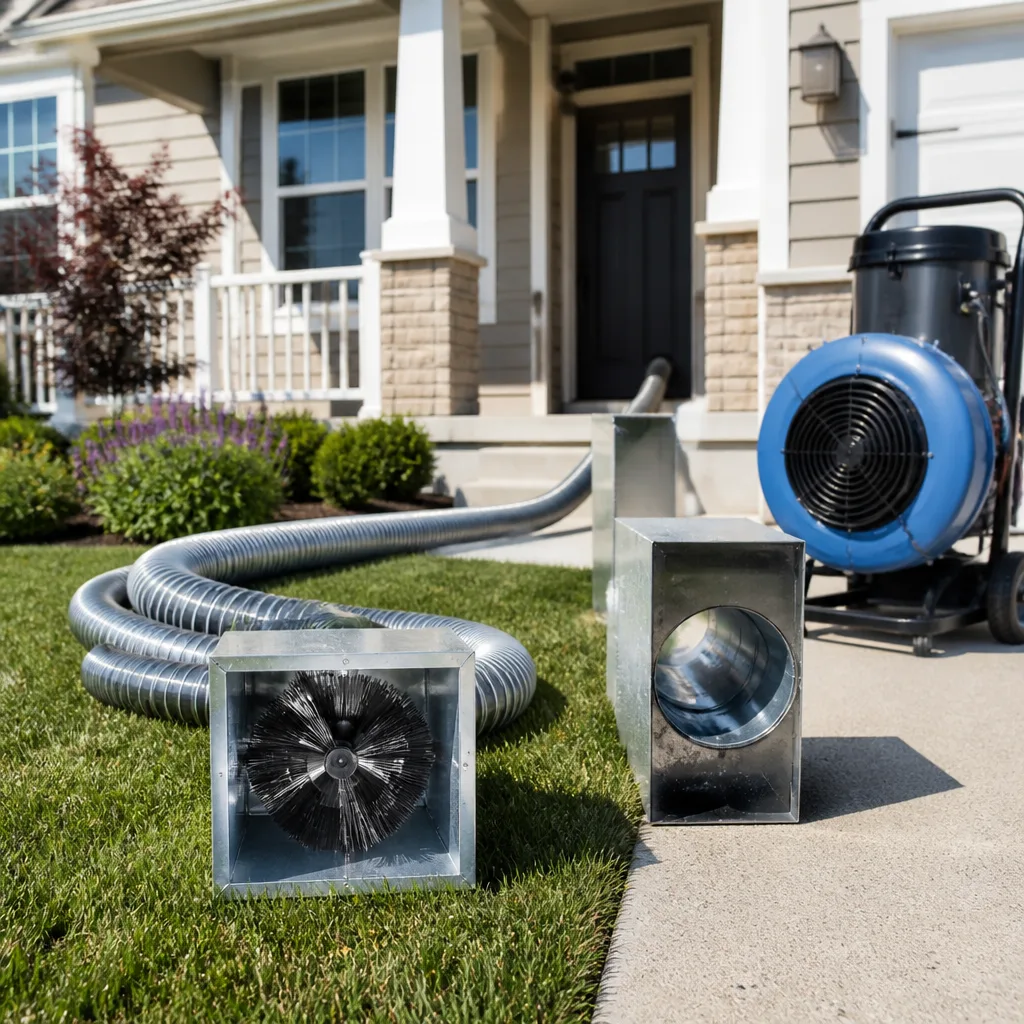 Whole-home duct cleaning
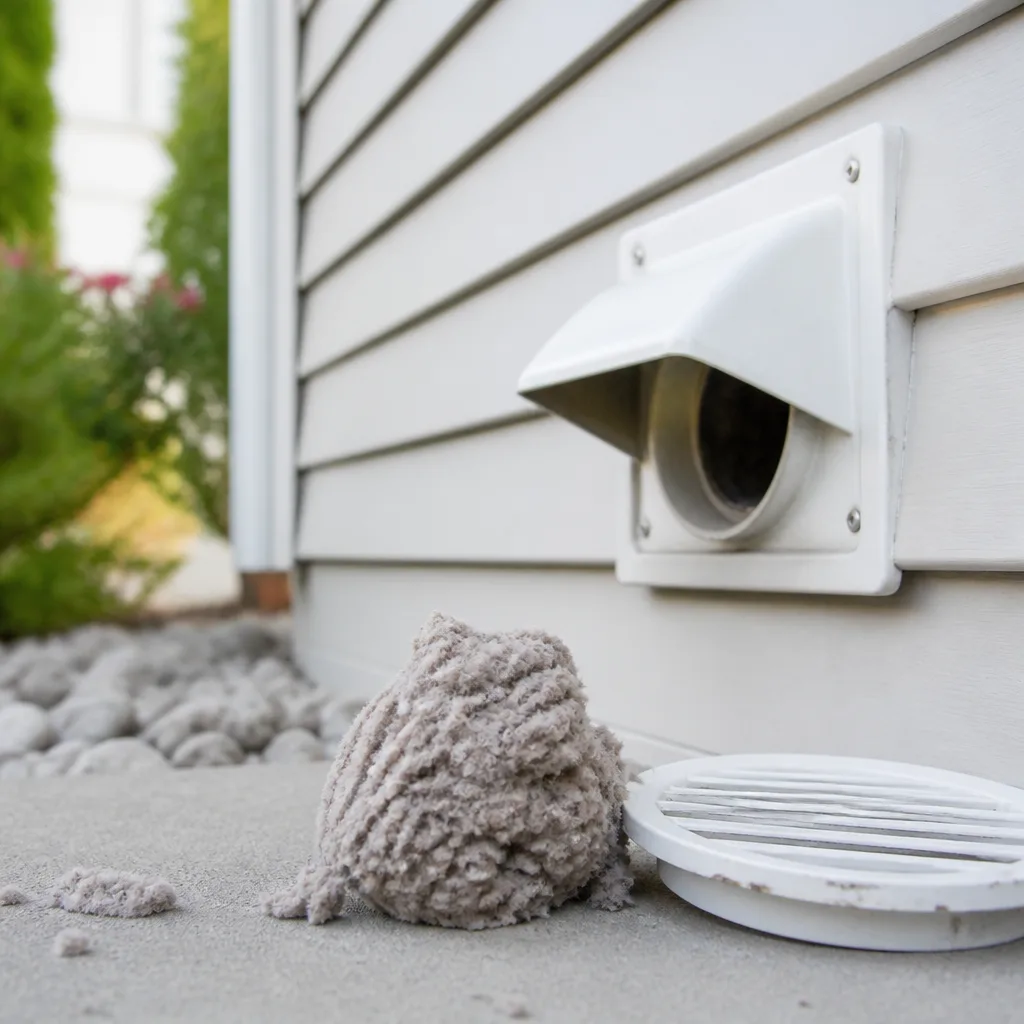 Dryer vent cleaning
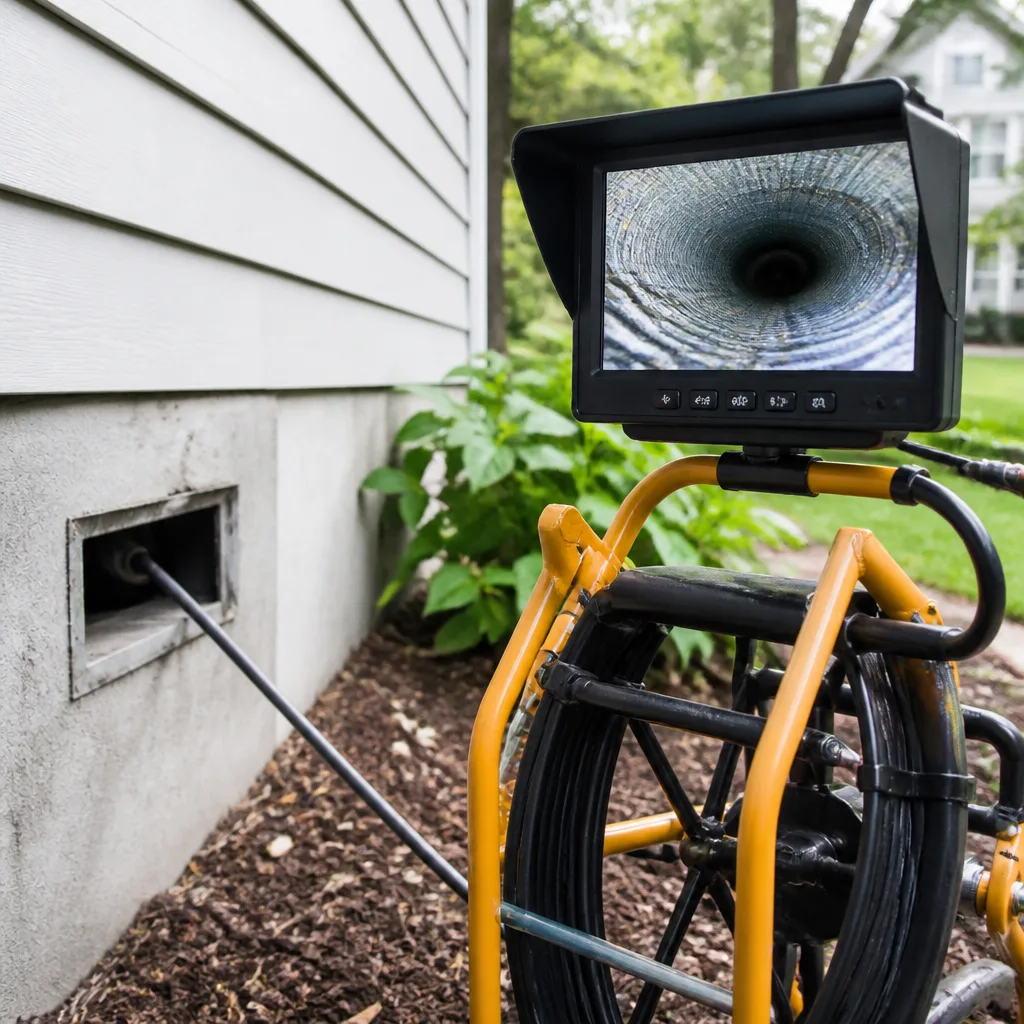 Camera inspection
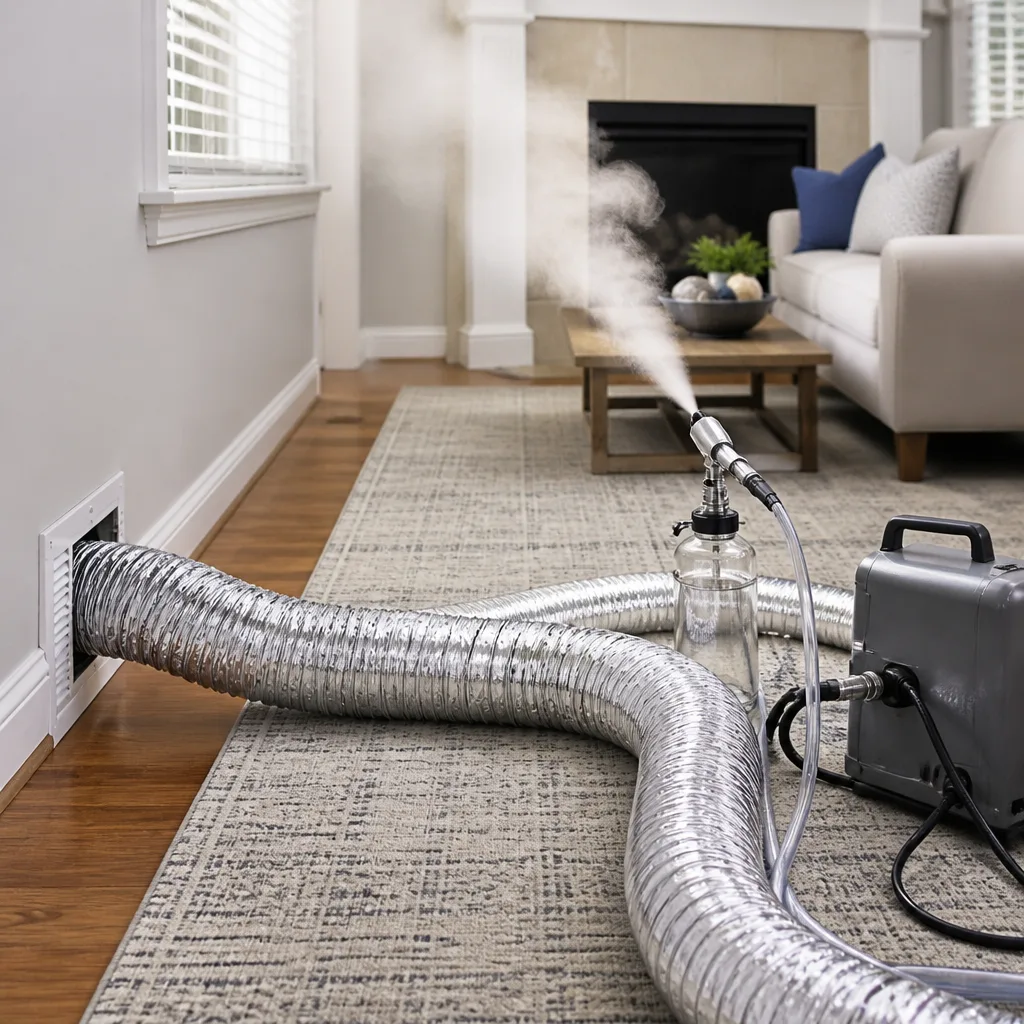 Sanitizing & deodorizing
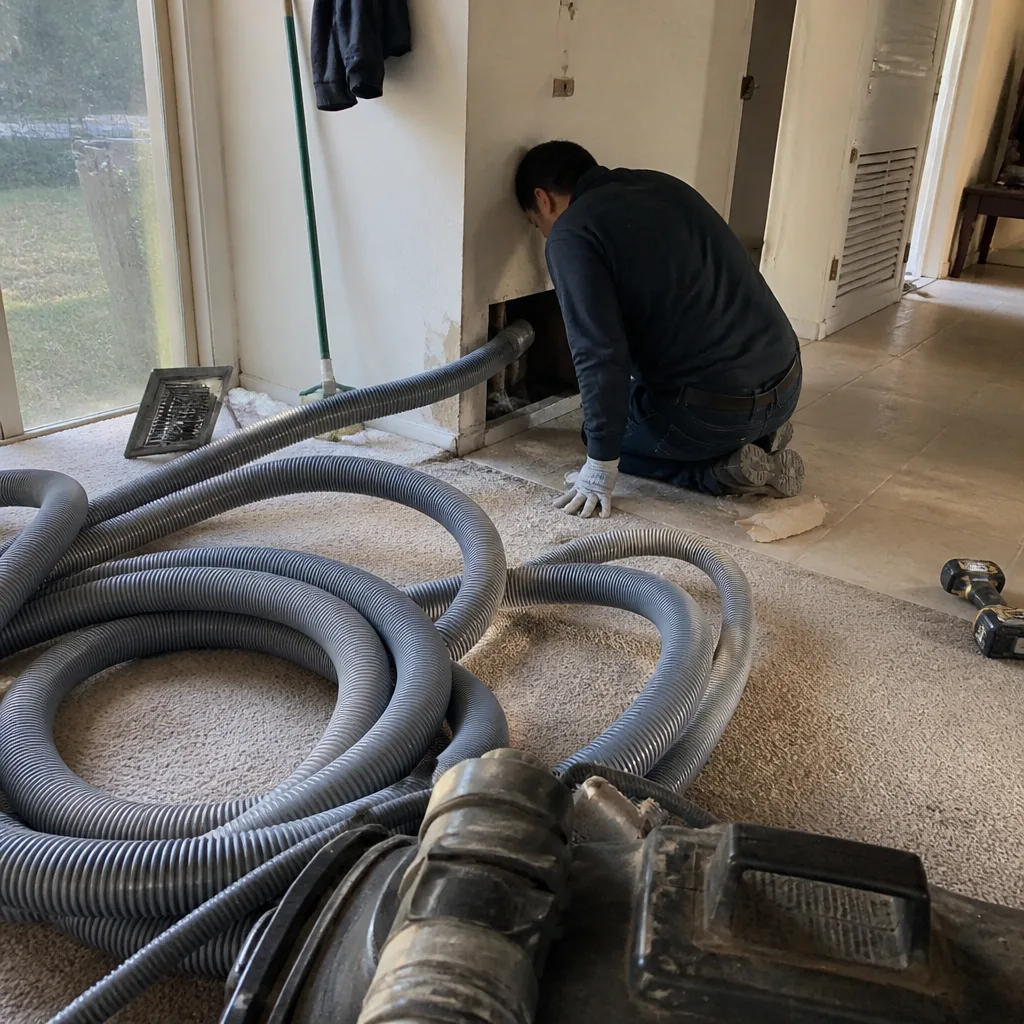
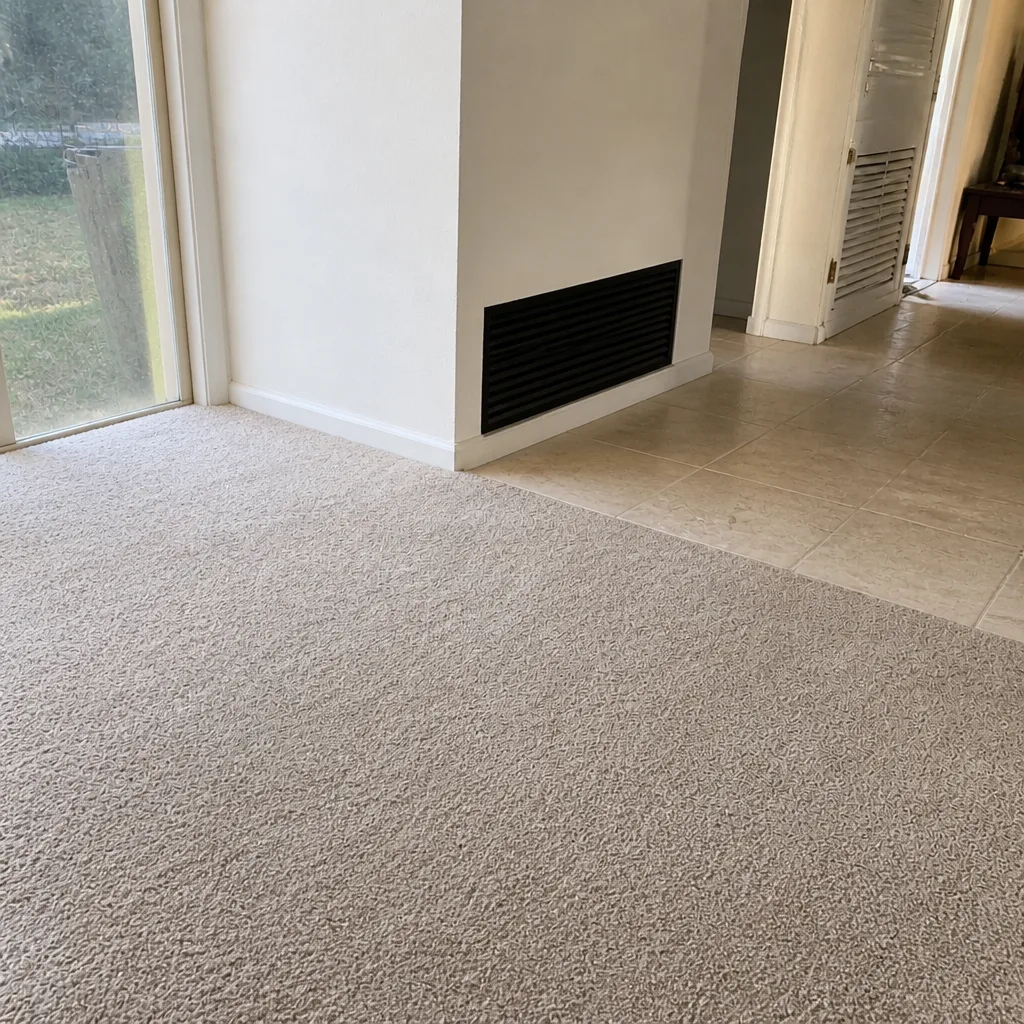
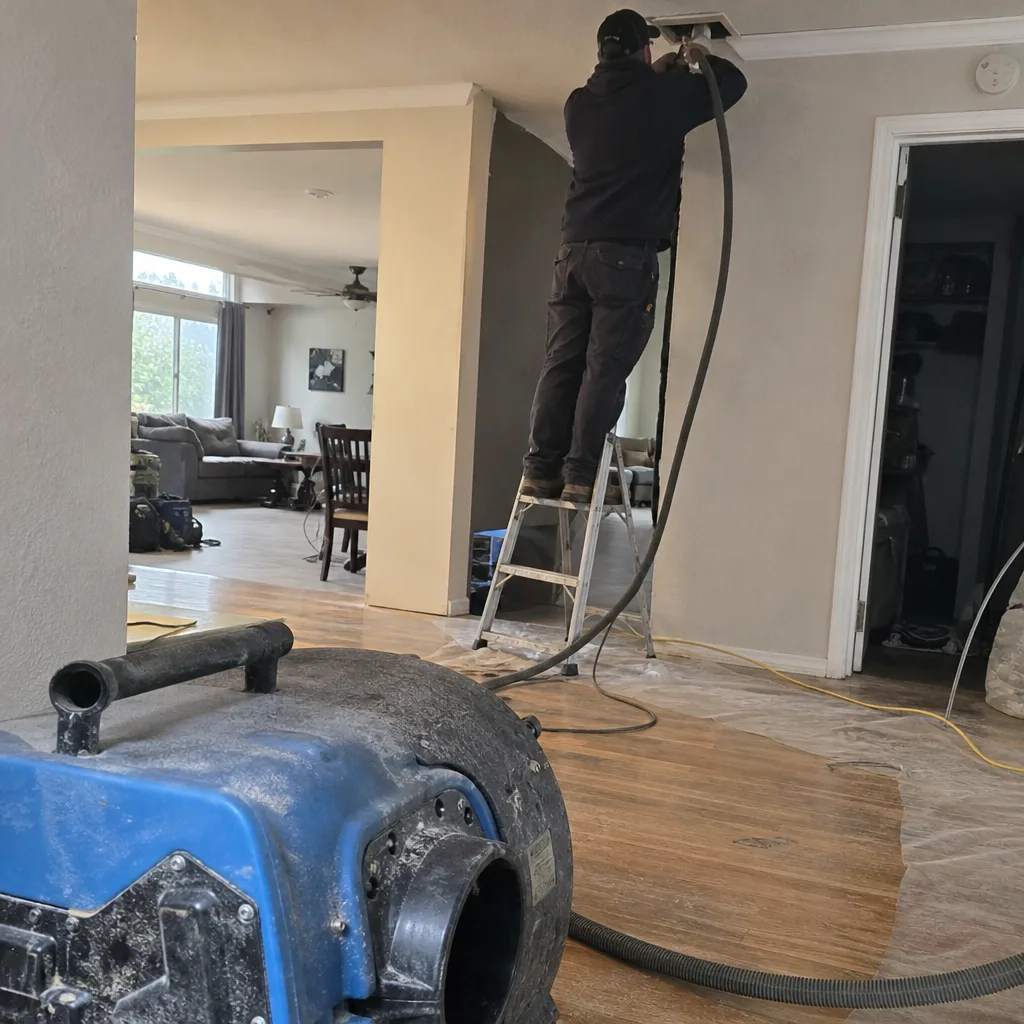
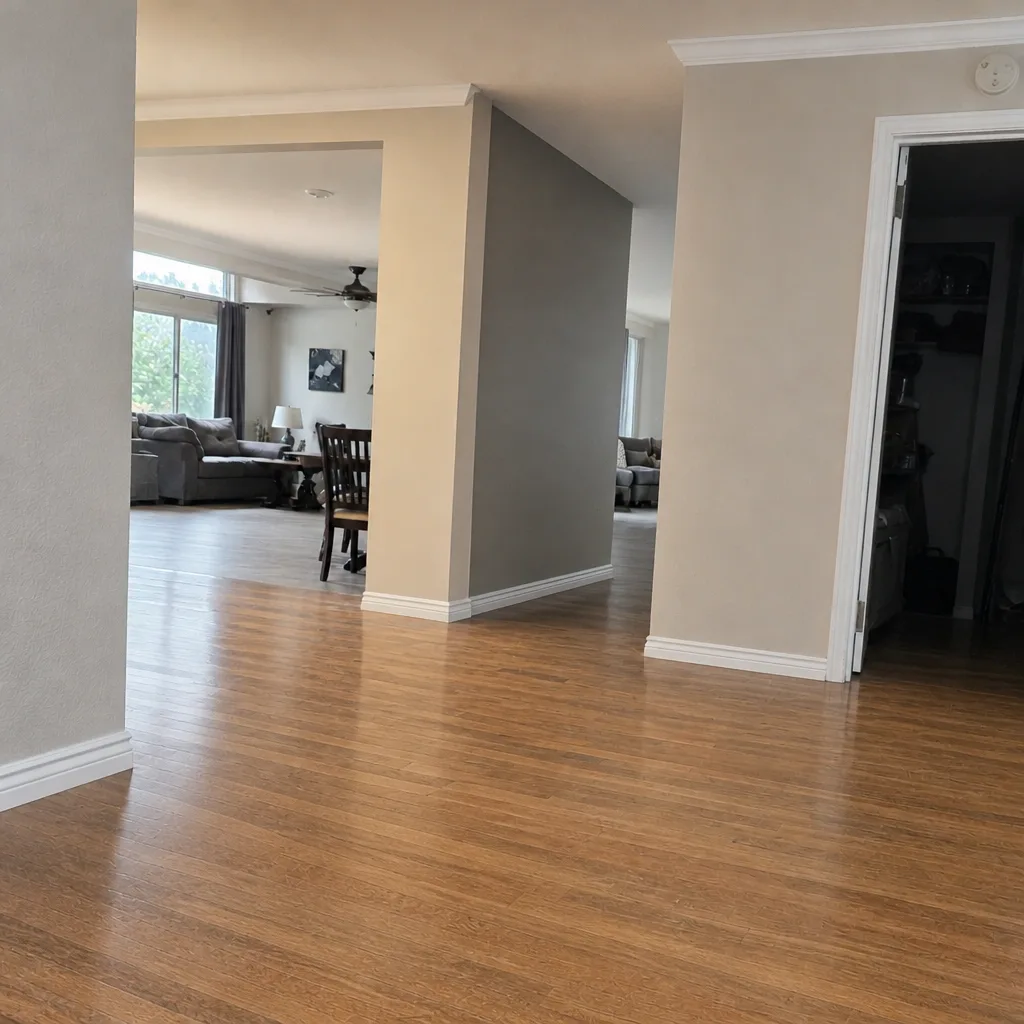
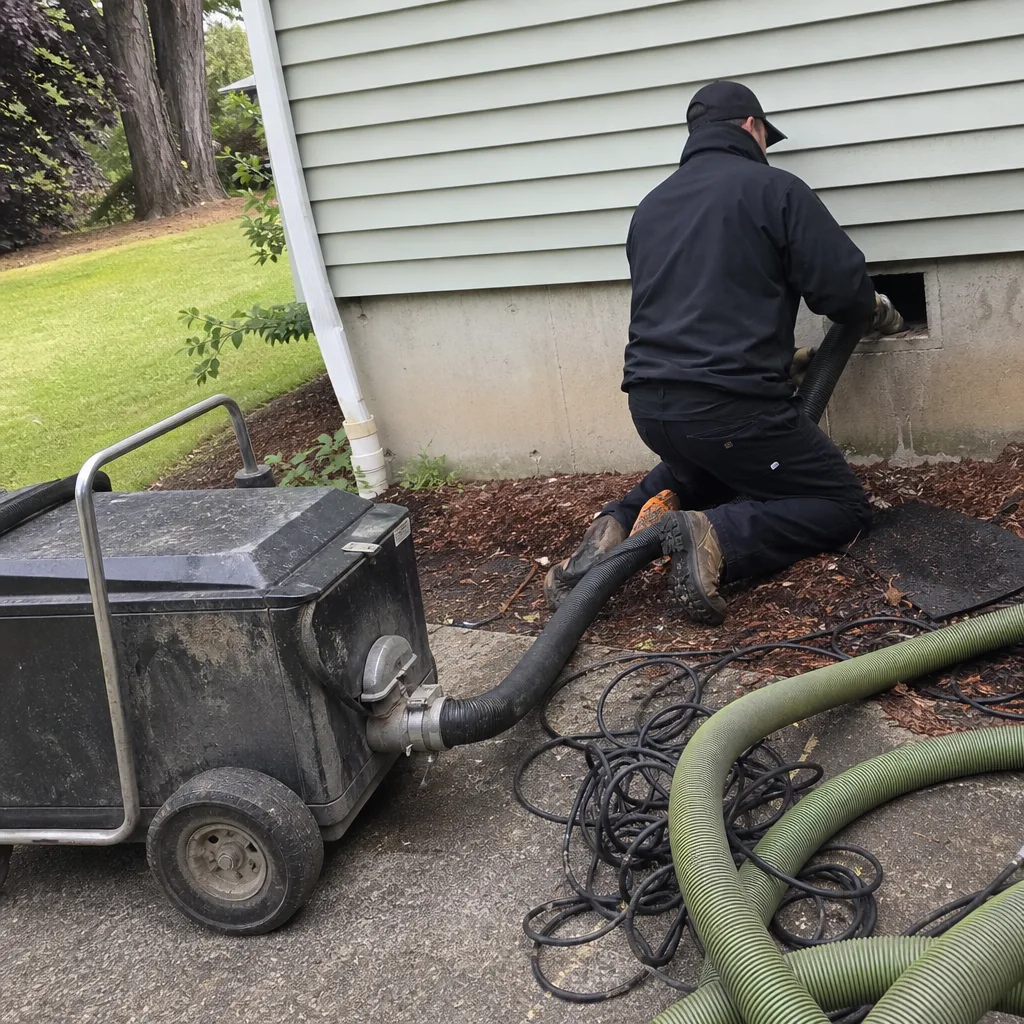
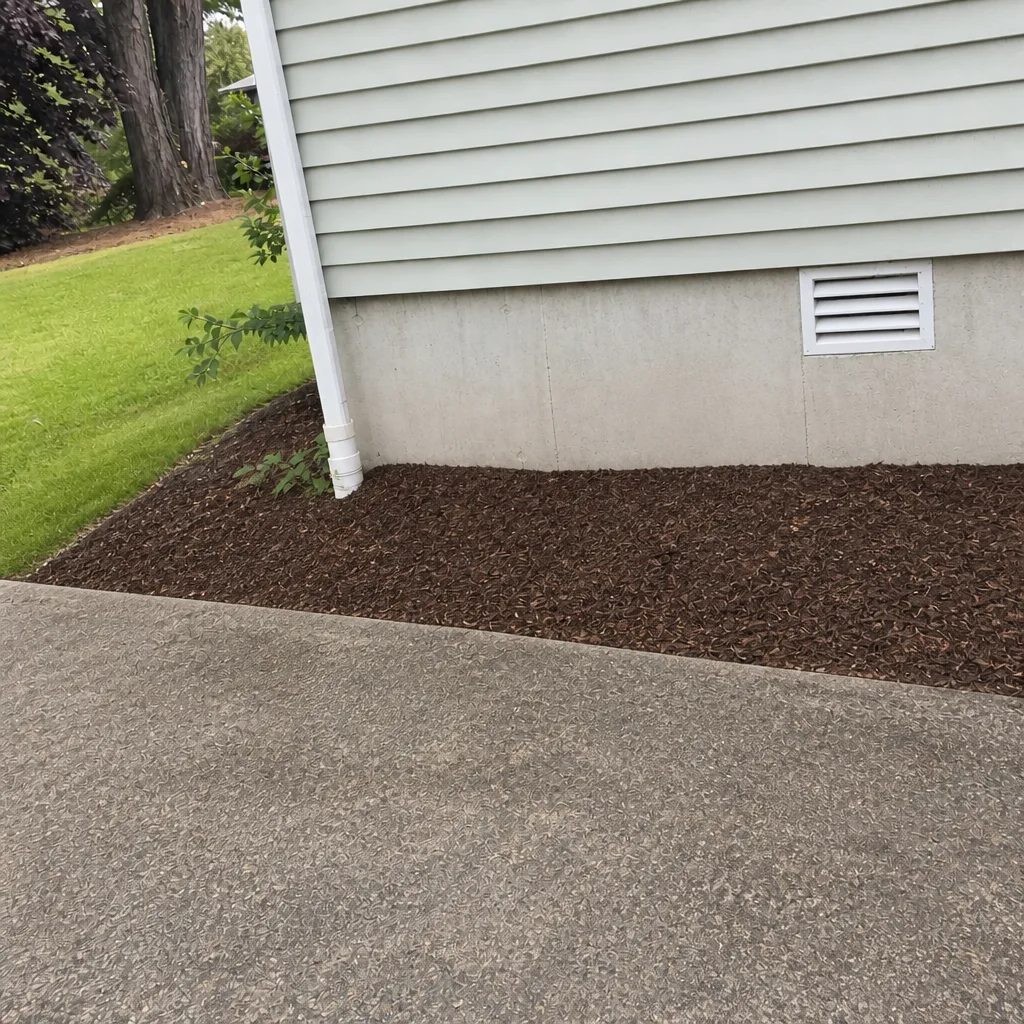
Whole-system duct and dryer vent check with before-and-after photos - you see exactly what came out of your vents
That "$99 whole-house special" is a bait ad - the real number appears once they are in your hallway, or the "clean" is a shop-vac at the register. We photograph the inside of your ducts before and after instead.
Seasonal Air Duct Cleaning Care for Federal Way: Year-Round Homeowner’s Guide
The dirtiest ducts in Federal Way aren’t in homes that never get cleaned. They’re in homes that get cleaned on a calendar schedule that ignores when the actual contamination events happen. Most homeowners pick a season, book a cleaning, and assume they’re covered for the year. In a place with four genuinely different duct-stress periods, that logic breaks down fast. A system cleaned in July without a fall filter change can fill back up before the first frost. This guide walks through how each season in Federal Way loads your ductwork differently, and how to time cleaning, filter service, and coil work so buildup never gets the chance to compound.
Styles & brands we work with
- Whole-home duct cleaning
- Dryer vent cleaning
- Camera inspection
- Sanitizing & deodorizing
Quick Answer
Federal Way duct systems face four distinct stress windows: wet-leaf fall when heating restarts, continuous winter runtime that pulls moisture into return ducts, spring pollen and construction dust that coats cooling coils, and summer wildfire smoke that a standard filter can’t stop at PM2.5. Clean once when fall debris and winter moisture peak, then use lighter spring and summer service (filters, coil cleaning, sealing) to protect that clean. That rhythm keeps full cleanings less frequent than a fixed annual appointment.
Table of Contents
- Why Federal Way Has Four Duct-Stress Seasons, Not Two
- Fall: The Highest-Impact Cleaning Window
- Winter: Moisture Transfer in Return Ductwork
- Spring: Pollen, Construction Dust, and Coil Cleaning
- Summer: Wildfire Smoke and What MERV Actually Filters
- How to Use a Seasonal Inspection to Decide on Cleaning
- Duct Repair and Sealing: The Step Most Cleanings Skip
- Dryer Vent as a Seasonal Check
- Common Mistakes to Avoid
- When to Call a Professional
- Frequently Asked Questions
- The Bottom Line
Why Federal Way Has Four Duct-Stress Seasons, Not Two
Most cleaning advice treats the year as heating season and cooling season. That’s one short winter followed by one long summer. Federal Way doesn’t work that way. The Puget Sound climate here runs wet, mild, and long on shoulder seasons, and each of those shoulder periods moves a different kind of contamination through the same duct system.
Here’s what we’ve seen. Fall does the heavy lifting: leaf debris, closed windows that trap indoor dust, and a heating system that restarts after months idle. Winter runs the system continuously, so moisture from a wet cold builds up in return ducts. Spring floods the house with pollen and, in a fast-growing city like Federal Way, construction dust from remodeling and new builds. Summer brings wildfire smoke drifting in from Eastern Washington, and that smoke reaches particle sizes a standard filter can’t catch.
Federal Way’s housing stock adds a wrinkle. Many homes here have forced-air systems with long return runs and aging flex duct sections, which means contamination can travel farther before it settles. Cleaning on a fixed schedule misses the timing. Cleaning on the contamination cycle catches it.
- Four overlapping stressors rather than two seasons means buildup can stack faster than a single annual cleaning accounts for.
- Shoulder-season work like coil cleaning and filter service protects the results of a full cleaning.
- Timing matters as much as technique: the same ducts cleaned at the wrong moment re-contaminate early.
Fall: The Highest-Impact Cleaning Window
If you clean once a year in Federal Way, do it in fall, right before the heating system comes back on. That’s the single biggest lever you have. Wet leaves collect around outdoor intake areas, windows close and seal in summer dust, and the furnace or heat pump fires up after a long idle stretch and blows settled debris straight through the supply ducts.
Fall is when you get the most for a full cleaning. A professional-grade job using a rotary brush system like Rotobrush, paired with Nikro HVAC cleaning equipment, dislodges the debris that built up over the dry summer while Abatement Technologies filtration captures it rather than recirculating it into your living room.
- Inspect and clear outdoor returns and grilles before leaf season peaks, so wet debris doesn’t get pulled inward.
- Book a full duct and HVAC cleaning when the heating system first goes on, before that first cycle distributes everything.
- Replace filters at the same visit, not a month later, so the freshly cleaned system starts clean.
- Ask for before-and-after photos of your own ducts, so you can see what actually came out.
- Have the technician check seams and joints while the system is open; fall is the cheapest moment to seal anything that’s leaking.
Federal Way’s leaf drop lands hard in October and early November, when the rain picks up and outdoor debris turns heavy and wet. Cleaning right after that window, before the first sustained cold, is the sweet spot.
Winter: Moisture Transfer in Return Ductwork
Winter in Federal Way is wet cold, not deep freeze, and that changes how the system behaves. Your furnace or heat pump runs far more continuously than in a dry climate, and each cycle pulls air through the return ductwork closer to the humidity of the house. Wherever the return runs through an unconditioned space like a crawlspace or garage, moisture has a path into the duct stream.
The compounding problem is subtle. A small amount of moisture in a dirty return duct creates a film, dust sticks to the film, and the next winter adds another layer. By spring the return is coated in a way a quick pass with a vacuum won’t fix. That’s the argument for a full mechanical cleaning with rotary brushes rather than a surface-only sweep.
- Keep an eye on condensation or dampness where return ducts pass through crawlspaces or attics.
- Change filters on schedule during winter; a wet, loaded filter stops being effective and starts being a problem.
- Watch for musty odors near return grilles, which signal that moisture and dust have combined somewhere in the run.
- If humidity inside climbs or windows sweat, mention it to the technician doing the inspection; it’s a duct and airflow clue, not just a comfort preference.
Winter is also the best time for a sealing inspection. Duct repair and sealing closes the gaps that let moist air into the return and let conditioned air escape. We fix what caused the problem, not just what’s visible, and winter is when the biggest gaps show up in the form of cold drafts at grilles or uneven room temperatures.
Spring: Pollen, Construction Dust, and Coil Cleaning
Spring in Federal Way brings two things at once: a heavy pollen load and, in a growing market, construction and remodeling dust from new builds and renovations. Both get pulled into the system before the cooling season starts. That makes spring the right time for what we call the companion service: coil cleaning before cooling demand ramps up.
The evaporator coil sits in the path of the air and gathers pollen, dust, and a fine film of construction grit over the shoulder season. A contaminated coil does two things badly: it restricts airflow, and it can hold moisture that feeds biological growth. Cleaning the coil before it’s in heavy use through summer prevents that buildup from starting.
- Do a spring inspection: look at the coil surface, check filter condition, and check whether the return ducts are still clean from fall.
- Clean or schedule coil cleaning before the first cooling days push air through it constantly.
- Handle pollen at the filter, not the ductwork: a fresh filter before the peak pollen weeks catches most of it before it settles.
- If you’ve had a bathroom, kitchen, or room addition done over winter, book a targeted duct and HVAC cleaning before remodeling dust gets distributed.
- Have the technician check return-side airflow; if rooms are still uneven, duct repair and sealing may be the fix rather than another cleaning.
Watch for a pattern: if the system loses cooling performance in early summer right after spring cleaning was skipped, the coil is usually the culprit. Spring coil work is cheap next to a mid-summer service call.
Summer: Wildfire Smoke and What MERV Actually Filters
Summer smoke events in Federal Way come from Eastern Washington fires, not from anything local. When the smoke drifts in, homeowners close the windows, run the AC, and assume the filter is handling it. Most filters aren’t handling the smallest and most concerning particles.
PM2.5 means particles 2.5 micrometers and smaller. A standard low-MERV filter catches larger dust but lets a significant share of PM2.5 pass through. Raising the MERV rating helps, but only so far: a filter rated for PM2.5 capture works better when the system itself is clean, because a dirty duct stream re-entrains particles the filter already captured. That’s why a summer smoke season on top of dirty ducts is a poor combination.
- Check the MERV rating on your filter; higher MERV captures more but increases airflow resistance, so verify the system can handle it.
- During smoke events, keep windows closed and run the system continuously so the filter is doing constant work, not intermittent work.
- Have the ductwork cleaned before the smoke season if it’s due, so the system isn’t recirculating old contamination at the same time.
- Consider an air quality upgrade like a Honeywell or Aprilaire filtration component; we can quote and install during the cleaning visit.
Summer is usually not the season for a full cleaning in Federal Way, unless the fall cleaning didn’t happen or a smoke event follows a long gap. Use summer for filter checks, sealing verification, and air quality product upgrades.
How to Use a Seasonal Inspection to Decide on Cleaning
The question after every season isn’t “should we clean?” It’s “what actually needs doing this season?” A quick visual inspection with the grilles open, plus a look at the coil and filter, tells you which category you’re in. Here’s the decision logic we use.
- Visible debris in the return after fall: full cleaning. Fall is the season for a complete mechanical pass, brush-cleaned and filtered.
- Damp or musty return in winter: cleaning plus a duct repair and sealing inspection; the moisture source is often a leaking joint.
- Coated coil, fresh pollen load, or recent renovation in spring: coil cleaning and filter service; a full duct cleaning only if the ducts are otherwise dirty.
- Smoke events with a dirty system in summer: cleaning if a full pass is due; otherwise filter and air quality upgrade.
- Airflow restriction in any season: check for collapsed flex duct, blocked returns, or a leaking duct run before assuming the ducts need cleaning again.
A seasonal inspection is a 30-minute conversation. It tells you whether you’re looking at a $0 filter swap, a coil cleaning, or a full duct cleaning. That’s better than paying for a full clean every year because the calendar says so.
Duct Repair and Sealing: The Step Most Cleanings Skip
Most cleaning crews in the Federal Way area clean ducts and leave. Duct cleaning without checking the seams and joints is like washing a boat with a hole in the hull. The gap that let contamination in is still there, and the system will re-contaminate faster than it should. Duct repair and sealing is a native part of what we do, not an upsell.
Sealing closes the gaps at joints, plenum transitions, and where return runs cross unconditioned space. The visible signs that your system needs sealing rather than another cleaning:
- Rooms that never seem to heat or cool evenly, especially at the far end of a long run.
- Dust settling faster on return grilles than on supply grilles.
- Cold spots near a crawlspace or garage duct that shouldn’t be there.
- Higher energy use in winter or summer without a change in habits.
We seal and clean in the same visit where possible. That keeps the duct system clean longer and often reduces the frequency of full cleanings, which is the point of the whole year-round approach. When we integrate products like Guardsman or Aprilaire at the same time, the system is both clean and structurally ready for a lower-dust load.
Dryer Vent as a Seasonal Check
Dryer vent lint is a separate fire risk from the duct system, and it’s usually overlooked because it’s outside the HVAC scope. We include dryer vent cleaning in service so a household doesn’t need to book a second crew. A dryer vent that’s been running all winter and spring without a check should be inspected by early summer, before the heavy laundry season and long dry runs.
- Spring: a check after winter laundry cycles, since lint builds up continuously regardless of weather.
- Summer: verify no lint accumulation from the heavier summer laundry loads, and consider a professional clean if it’s overdue.
- Any time: if a dryer takes two cycles to dry a load, or the vent flap doesn’t open fully, book a dryer vent cleaning.
Treat it as part of the seasonal rhythm. A dryer vent cleaning visit can be tacked onto a full service so nothing is missed.
Common Mistakes to Avoid
- Cleaning once a year regardless of season. A full cleaning in the middle of summer, before fall debris hits, means you pay twice and clean twice. Time it to the fall restart.
- Skipping the coil cleaning in spring. The coil is where pollen and construction dust concentrate, and a dirty coil undermines the cooling system’s performance and its cleanliness.
- Assuming a higher MERV filter solves smoke season. A filter helps, but if the ducts are dirty, the system is re-entraining particles the filter can’t hold.
- Hiring on coupon price alone. A per-vent or coupon price usually means a surface pass without rotary brush work, no abatement filtration, and no sealing. Ask what equipment is used and whether the price is one flat price per system.
- Not checking seals before the next cleaning. If a joint is leaking, you’re cleaning ducts that will get contaminated again quickly. Seal first where needed.
- Forgetting the dryer vent. Federal Way households often run the dryer through wet winter and long summer weeks, and lint is a fire risk that a duct-only cleaning won’t catch.
- Believing a filter change is a cleaning. Filter changes protect a clean system; they don’t remove what’s already in the ducts.
When to Call a Professional
Call a professional when a seasonal inspection shows visible debris in the return after fall, a musty smell from a return grille, a coating of dust on the coil, or a pattern of uneven airflow that points to a leaking duct. Also call if it’s been several years since the system was serviced at all; the buildup from several missed seasons needs a full pass, not a filter swap. Federal Way Air Duct Cleaning offers free estimates in Federal Way: call (833) 482-6220. We answer 24/7, and fast dispatch from 7am to 7pm runs Sunday through Friday.
You can also check our Federal Way Air Duct Cleaning page for the overview and our HVAC cleaning page if the coil and system-side work is the priority this season. If you’re ready for the full service, air duct cleaning walks through what a cleaning visit includes from start to finish.
Frequently Asked Questions
Most Federal Way homes do well with a full duct cleaning tied to the fall heating restart, and lighter spring and summer service in between. The right interval depends on how quickly contamination builds in your system; a home near construction or with a pet may need a full pass more often. A seasonal inspection tells you which category you’re in. Call (833) 482-6220 for an exact quote; estimates are free.
Yes. Fall combines wet-leaf debris, closed windows, and the first heating cycle, which distributes settled dust through the whole system. Cleaning right before heating restarts gives you the longest window before re-contamination. It’s the single highest-value season for a full pass in this climate.
It helps, but only partly. PM2.5 particles are 2.5 micrometers and smaller, and a high-MERV filter captures more of them than a standard filter. The filter works best when the ductwork is clean; a contaminated system re-entrains particles no filter can hold. Pair a filter upgrade with a system that’s been cleaned and sealed.
Low quotes are usually a vacuum-and-go pass without rotary brush equipment, abatement filtration, or sealing, and they may price per vent rather than per system. We quote one flat price per system agreed before work starts, and we show before-and-after photos of your own ducts. Call (833) 482-6220 for an exact quote; estimates are free.
Ask for before-and-after photos of your own ducts, not stock photos, and ask what equipment was used on the job. A professional clean using Rotobrush rotary brush systems and Nikro equipment with Abatement Technologies filtration leaves visible evidence and a written record. We provide before-and-after photos as part of every visit.
Yes. A leaking duct pulls contaminated air in continuously, so the system gets dirty faster than a sealed one. Sealing the gaps reduces the incoming contamination load and keeps the system clean longer. We offer duct repair and sealing as a native service for this reason.
The Bottom Line
Federal Way’s four duct-stress seasons each call for a different service, and the year-round flow is straightforward: full cleaning in fall before heating restarts, sealing inspection in winter, coil cleaning and filter service in spring, and filter and air quality work in summer. Clean once at the highest-impact window, protect that clean through the rest of the year, and full cleanings become less frequent than a fixed calendar appointment. Every visit should leave you with before-and-after photos, a written estimate agreed before work starts, and a system that’s been cleaned, sealed where needed, and ready for the season ahead.
Call (833) 482-6220 for a free estimate. We answer 24/7, and fast dispatch from 7am to 7pm runs Sunday through Friday; closed Saturday.
Written by the team at Federal Way Air Duct Cleaning.
See the difference
 Before
 After
 Before
 After
 Before
 After