
Last updated November 25, 2026
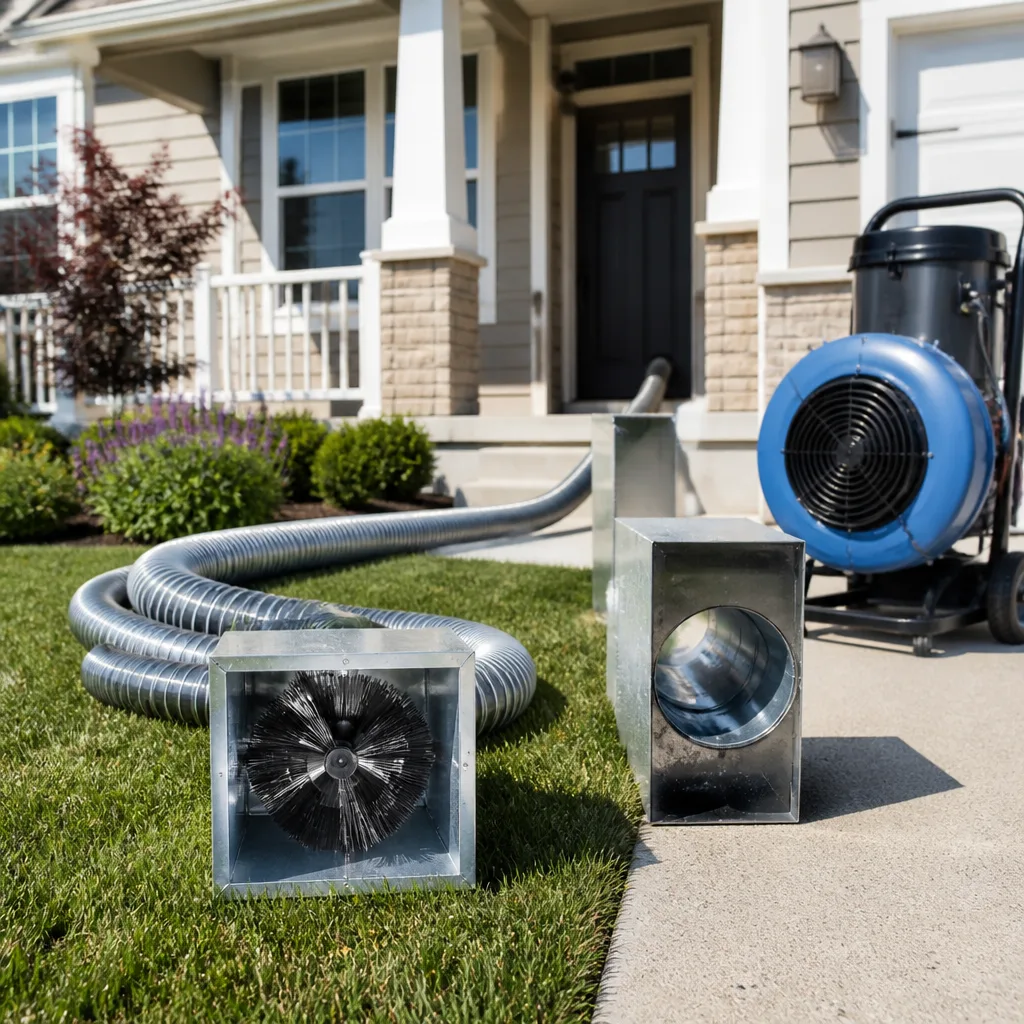 Whole-home duct cleaning
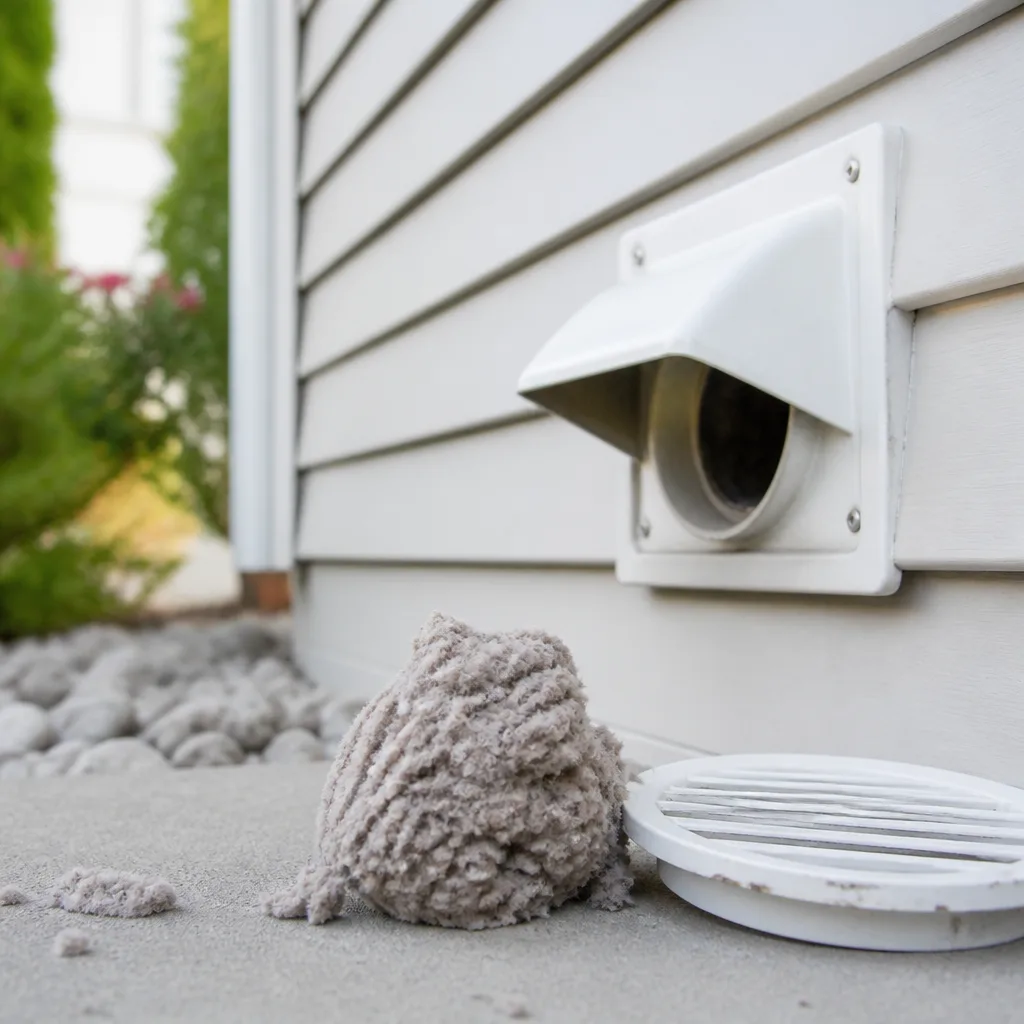 Dryer vent cleaning
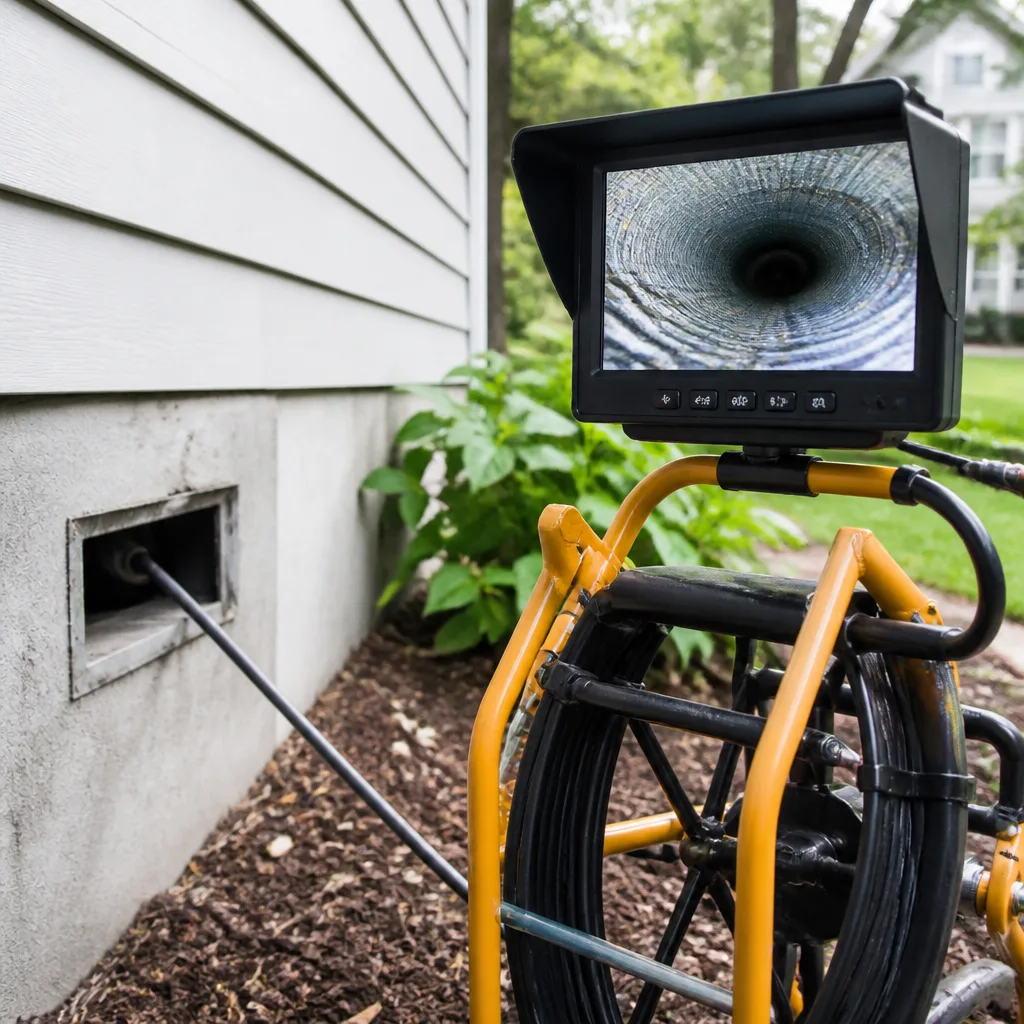 Camera inspection
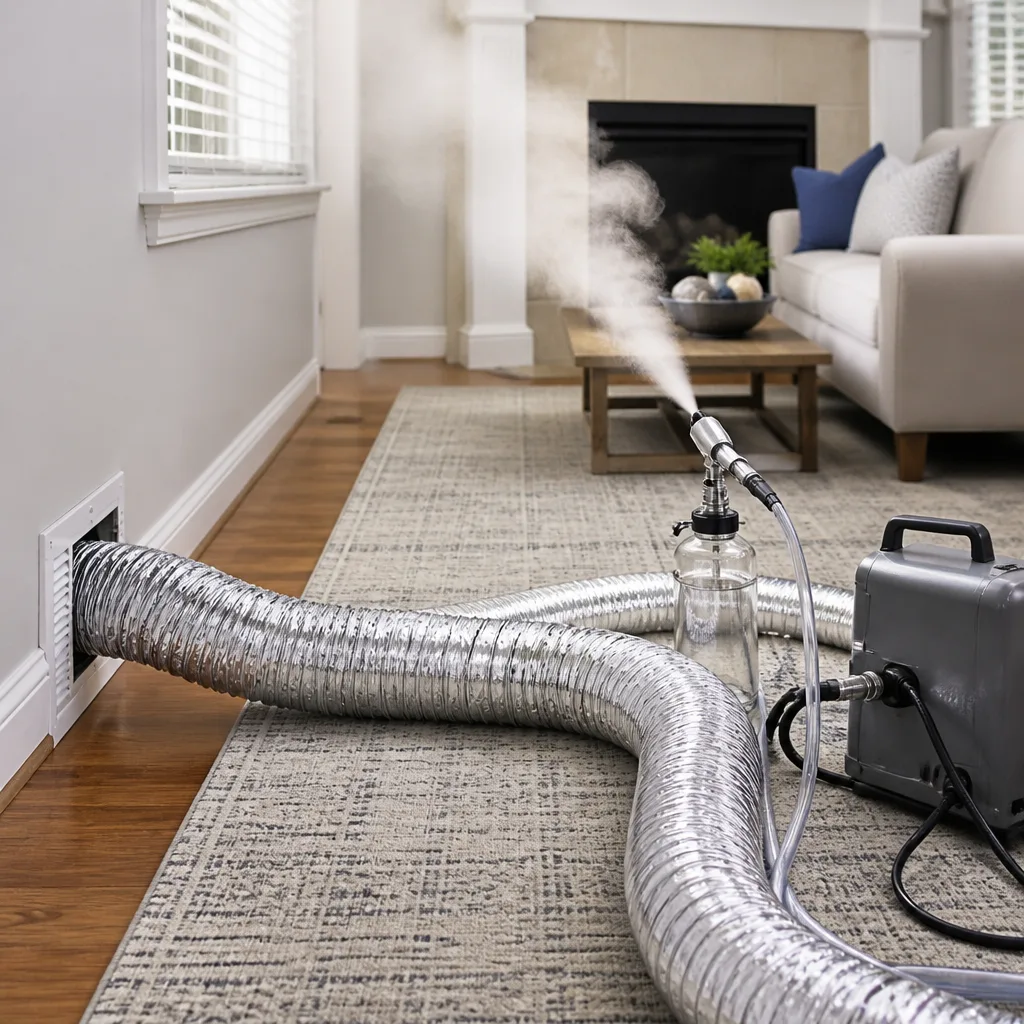 Sanitizing & deodorizing
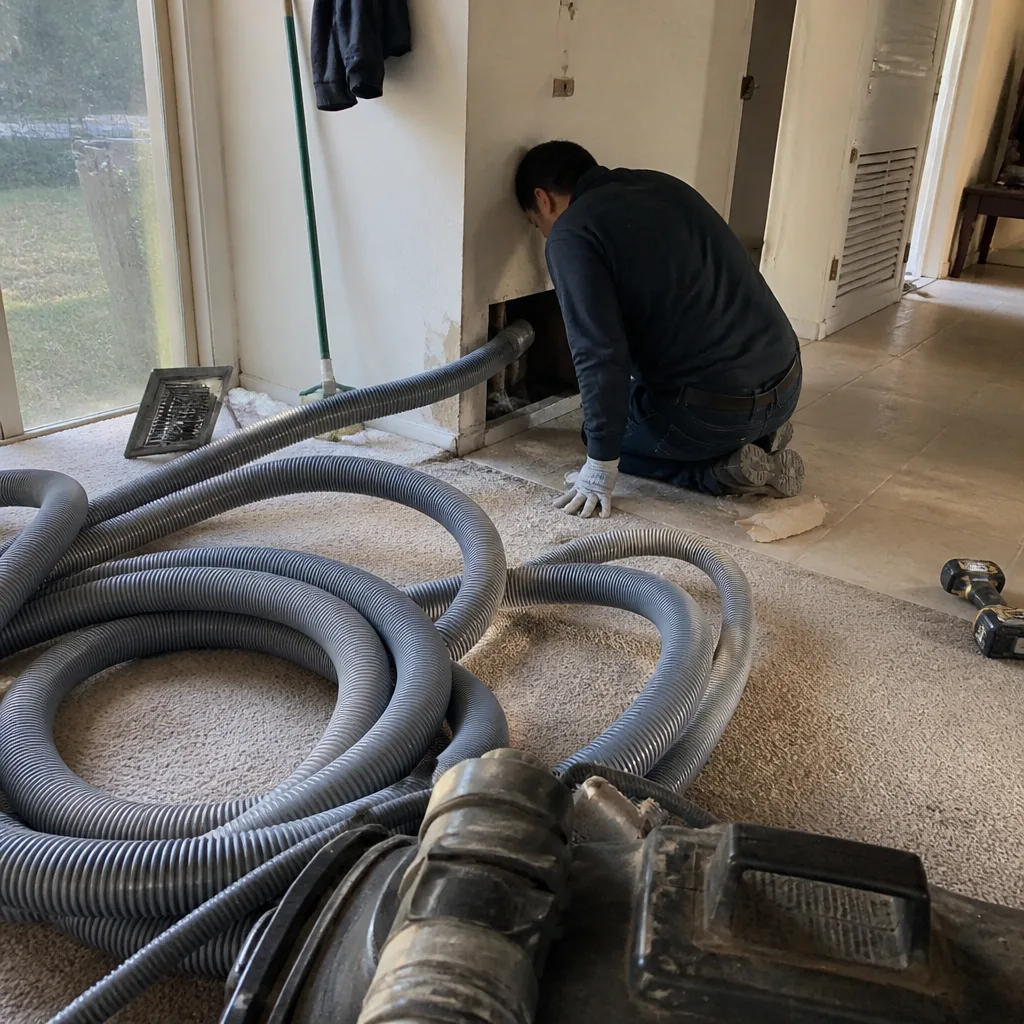
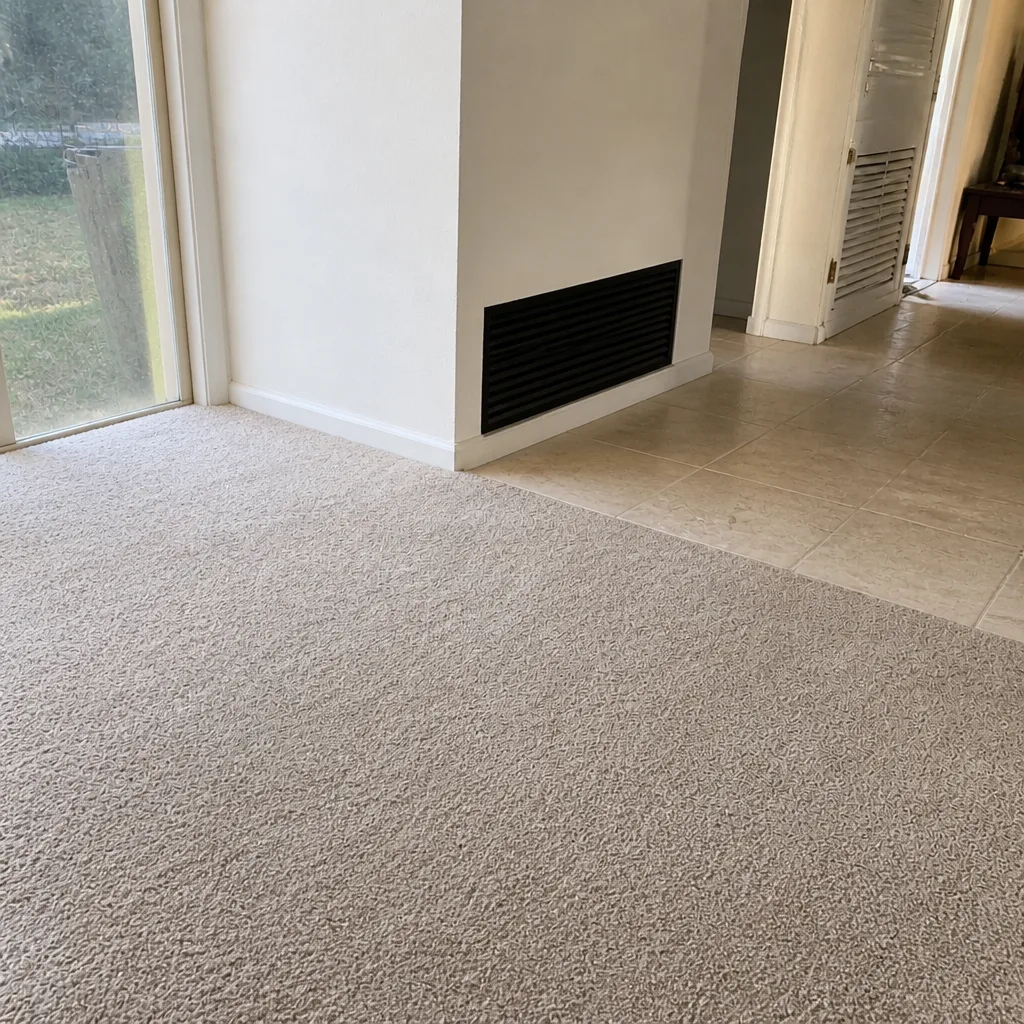
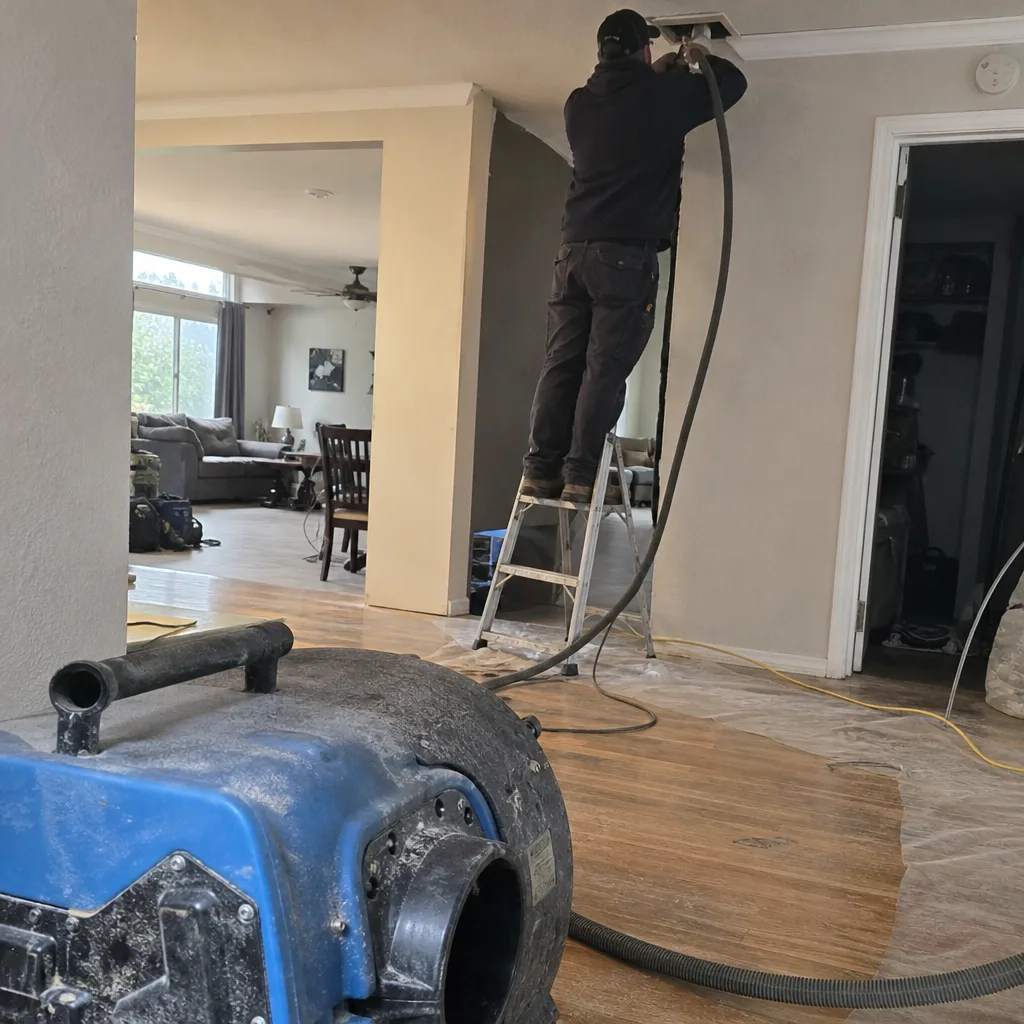
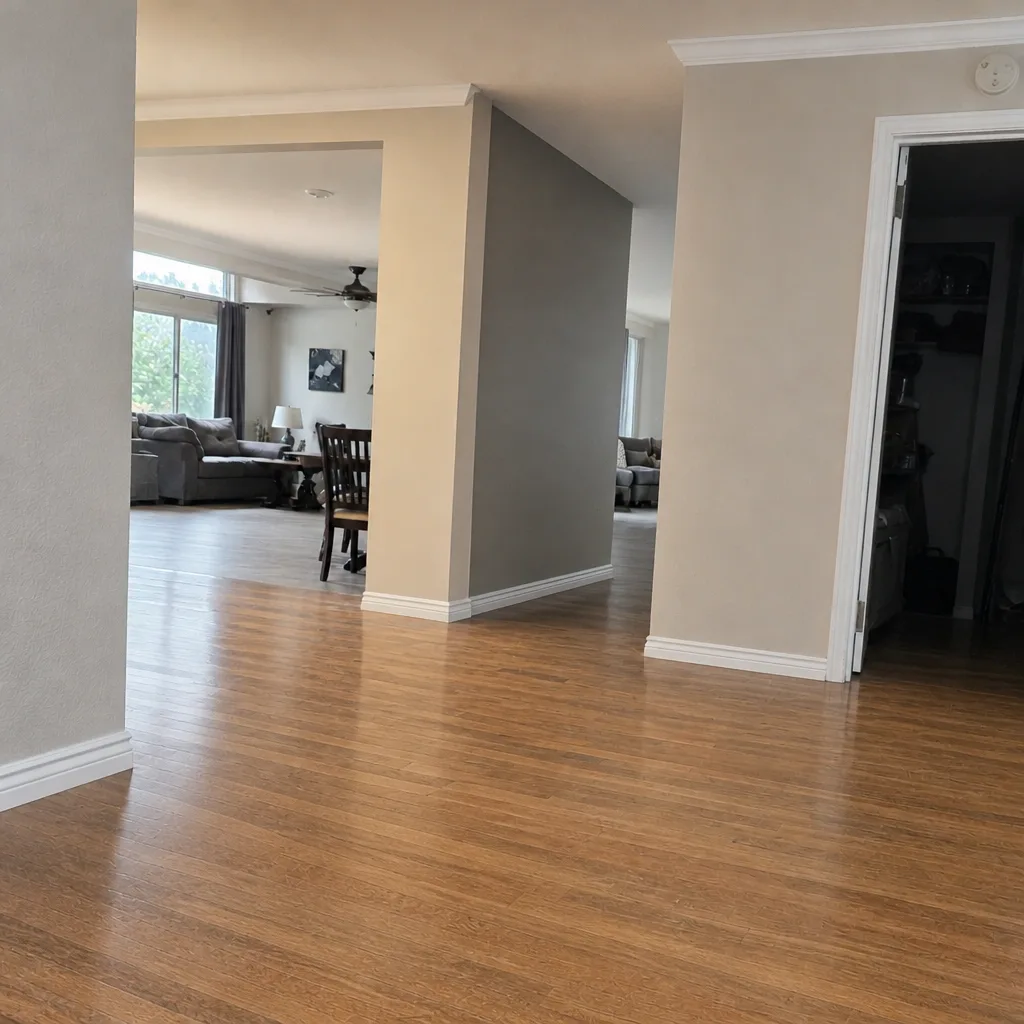
Whole-system duct and dryer vent check with before-and-after photos - you see exactly what came out of your vents
That "$99 whole-house special" is a bait ad - the real number appears once they are in your hallway, or the "clean" is a shop-vac at the register. We photograph the inside of your ducts before and after instead.
Air Duct Cleaning Maintenance Checklist for Federal Way Homeowners
Replacing your filter every 90 days while ignoring the return plenum is like changing your oil and never touching the air filter – the system still degrades, just slower. Most Federal Way homeowners treat duct cleaning as a one-time event, something you do once and forget. That’s the misconception this guide corrects. Duct cleaning is one node in a maintenance chain that also includes filter changes, coil inspections, and moisture checks, and Federal Way’s wet winters, dry summers, and wildfire smoke season decide how often each node needs attention. Below you’ll find a month-by-month calendar, the filter ratings that actually fit your household, and instructions for inspecting accessible ductwork yourself.
Styles & brands we work with
- Whole-home duct cleaning
- Dryer vent cleaning
- Camera inspection
- Sanitizing & deodorizing
Quick Answer
A working maintenance checklist for a Federal Way home runs on four rhythms: filter changes every 60 to 90 days (more often with pets or allergies), a visual duct inspection twice a year, a professional system inspection annually, and professional cleaning every 3 to 5 years depending on household conditions. Homes near construction, with pets, or with allergy sufferers need the shorter end of every range. The checklist only works if you treat the return plenum, the coils, and the moisture in the system as parts of the same job.
Table of Contents
- The Month-by-Month Maintenance Calendar for Federal Way
- Which MERV Rating Fits Your Federal Way Home?
- How to Inspect Your Own Accessible Ductwork
- Professional Inspection vs. Professional Cleaning: Not the Same Service
- The Return Plenum: The Part Everyone Forgets
- Aprilaire and Honeywell Media Cabinets: Annual Replacement
- Moisture, Coils, and the Wet Season
- Common Mistakes to Avoid
- When to Call a Professional
- Frequently Asked Questions
The Month-by-Month Maintenance Calendar for Federal Way
Federal Way sits in a climate that asks different things of your duct system at different times of year. The wet season drives moisture into crawl spaces and return air. The dry summer pulls dust and pollen into every gap in the envelope. Wildfire smoke season, which can stretch anywhere from late July into September depending on the year, puts a completely different load on your filter and your ductwork. A calendar that ignores these shifts is just a reminder to vacuum.
Here’s how we map the year for a typical forced-air system in Federal Way:
- January and February: Change filters at the shorter end of your interval. Check the return plenum and any accessible duct joints for condensation. Wet-season humidity makes loose joints visible because moisture collects where warm air leaks into cold framing.
- March and April: Do a full visual inspection of accessible ductwork. Look for joint separation and debris accumulation at registers. This is also when to replace media cabinet filters if they’ve been in since fall.
- May and June: Before cooling season, inspect the evaporator coil for dust buildup. A dirty coil with clean ducts still means poor airflow and higher energy use.
- July through September: Wildfire smoke season. Upgrade to a higher MERV filter if your system can handle the static pressure, and check filters monthly rather than quarterly. This is the period when indoor air quality complaints spike in Federal Way.
- October and November: Pre-heating-season service. Confirm the system is clean before it runs constantly. If it’s been three or more years since professional cleaning, schedule it now rather than in January when the system is already working hard.
- December: Filter change and a final visual check before the coldest stretch. Note anything that looked off during the year for your next professional inspection.
The calendar isn’t a rigid schedule. It’s a framework, and Federal Way homes with pets, nearby construction, or family members with asthma should compress every interval. What matters is that you’re checking the whole system on a rhythm rather than waiting for a symptom.
Which MERV Rating Fits Your Federal Way Home?
Filter rating is the single most misunderstood part of duct maintenance. Homeowners often assume higher is always better, buy the highest MERV they can find, and then wonder why airflow dropped and the system seems to run longer. MERV ratings describe particle capture, not compatibility. A filter that’s too restrictive for your blower motor will starve the system of air, and that’s worse for your ducts than a slightly lower rating changed on schedule.
Here’s how we match ratings to households in Federal Way:
- MERV 8: The right baseline for most homes without special concerns. It captures pollen, dust mites, and larger particles while keeping static pressure low. If you have no pets, no allergy sufferers, and no construction nearby, this is the sensible choice.
- MERV 11: A step up for homes with pets or mild allergy concerns. It catches finer particles including pet dander and mold spores without the airflow penalty of the highest ratings. Most Federal Way homes with a dog or cat land here.
- MERV 13: Reserved for homes with allergy or asthma sufferers, or during wildfire smoke season when fine particulate matters most. MERV 13 filters can be restrictive; check that your system’s blower can handle the pressure drop before committing to it year-round. Many homeowners run MERV 13 during smoke season and step back to MERV 11 the rest of the year.
- Construction nearby: If there’s active building or remodeling within a few blocks, move up one rating and shorten your change interval. Drywall dust and sawdust load a filter fast, and fine construction particulate travels through return air more easily than most people expect.
The practical rule: match the filter to the household, not to the marketing on the box. Change interval matters more than the rating itself. A MERV 8 changed every 60 days outperforms a MERV 13 left in for a year, and it’s gentler on the blower.
How to Inspect Your Own Accessible Ductwork
You don’t need specialized tools to catch the most common duct problems. You need a flashlight and ten minutes at each register. What you’re looking for is visible debris, joint separation, and condensation. Those three signs tell you most of what a professional inspection would flag in the accessible portions of a system.
- Remove a supply register and look inside. Shine the flashlight down the run. A light dust film is normal. A visible layer of debris, pet hair, or dark buildup on the duct walls means the system is past due.
- Check the joints. Where two duct sections meet, look for gaps, separated seams, or tape that’s peeling or hardened. A gap at a joint pulls attic or crawl space air into the system, and that air is unfiltered.
- Look for condensation. Any moisture on the outside of a duct in the wet season signals a problem. Condensation on supply ducts in a heated home usually points to poor insulation or a leak at the joint.
- Check the register boots. The connection between the duct and the wall or floor register is a common leak point. If you can see gaps around the boot, the system is losing air into the wall cavity.
- Note the smell. A musty odor at a register suggests moisture or biological growth somewhere in the run. You can’t diagnose that with a flashlight, but you can note it for a professional.
What you can’t inspect yourself is the interior of the main trunk lines, the coil, or the return plenum. Those need a professional with a camera and proper equipment. But the accessible portions give you a reliable early warning. If you find visible debris, joint separation, or condensation, the fix isn’t always just cleaning. Often it’s air duct cleaning plus sealing the leaks that let the contamination in. We handle both because we believe you fix what caused the problem, not just what’s visible.
Professional Inspection vs. Professional Cleaning: Not the Same Service
These get conflated constantly, and the confusion costs homeowners money. An inspection is diagnostic: a technician looks at the system, uses a camera to see inside the ducts, checks the coil, and tells you what condition everything is in. Cleaning is corrective: equipment goes into the system, removes the contamination, and captures it. You can need one without the other, and you can need both.
Federal Way homeowners often call asking for a cleaning when what they actually need first is an inspection, and sometimes the reverse. Here’s how to tell which you need:
- Schedule an inspection if: You’ve noticed a new smell, airflow has changed, someone in the home has developed allergy symptoms, you’ve recently remodeled, or it’s simply been years since anyone looked at the system. An inspection tells you whether cleaning is warranted.
- Schedule a cleaning if: An inspection has already confirmed visible debris, or you have clear signs like debris blowing from registers, visible buildup on the accessible duct walls, or a known contamination event like a rodent problem or water intrusion.
- Schedule both if: The system is older and hasn’t been serviced in several years. In that case, the inspection happens as part of the cleaning visit, and you get a report on what was found and what was done.
A proper cleaning uses professional-grade equipment, not a shop vac. The equipment matters because the whole point is to dislodge contamination and capture it, not recirculate it into the living space. Our technicians use Rotobrush rotary brush systems and Nikro equipment, along with Abatement Technologies air filtration to capture what gets loosened. That’s abatement-level care, and it’s the difference between a clean system and a system that just had its surface disturbed.
The Return Plenum: The Part Everyone Forgets
The return plenum is the ductwork that carries air from your living space back to the air handler. It’s the largest single duct in the system, and it’s the one homeowners almost never think about. Filters sit at the entrance to the return plenum, so it’s also the place where dust and debris accumulate first. If you change your filter faithfully but never look at the plenum itself, you’re protecting the filter and ignoring the duct it’s supposed to protect.
Federal Way homes with crawl space or attic returns see this more than others. The return duct often runs through unconditioned space, which means it’s exposed to temperature swings and moisture. Over time, debris builds on the interior walls of the plenum, and the pressure differential across a clogged filter can pull that debris deeper into the system.
If you’ve noticed inconsistent airflow, a whistling return register, or a filter that seems to load faster than it should, the return plenum is the first place to look. Ask for it to be checked during any inspection. Some of the most dramatic airflow improvements we see come from cleaning a neglected plenum and sealing the joints around it.
Aprilaire and Honeywell Media Cabinets: Annual Replacement
If your home has a media cabinet instead of a slot for a standard filter, you have a different maintenance schedule. Media cabinets from Aprilaire and Honeywell hold a large pleated filter that’s designed to last a year, not 90 days. But “designed to last a year” assumes normal conditions, and Federal Way’s wildfire smoke season isn’t normal.
Federal Way is a place where any annual checklist should include these steps:
- Check the media filter every six months, especially after smoke season, and replace it sooner if the surface is visibly gray or dark.
- Confirm the cabinet door seals properly. A media cabinet that doesn’t seal lets unfiltered air bypass the filter entirely, which defeats the purpose.
- Note the filter size before ordering. Media cabinets use specific dimensions, and installing the wrong size leaves gaps.
- Have the cabinet itself inspected for dust buildup around the frame. The filter catches particles, but the frame and the duct beyond it can still accumulate debris over years.
Media cabinets are one of the most useful upgrades a home can have, and if you already have one from Aprilaire or Honeywell, it’s worth replacing the filter on schedule rather than waiting for airflow to drop. If your system doesn’t have one and you’re thinking about upgrading, a media cabinet is the kind of change that pairs naturally with professional cleaning. We integrate these products because cleaning the system and upgrading it in a single visit makes sense for the homeowner.
Moisture, Coils, and the Wet Season
Federal Way’s wet season is where duct problems start. Water vapor gets into crawl spaces and attics, condenses on cold duct surfaces, and creates the conditions for mold and biological growth inside the system. The coil is especially vulnerable: it’s wet by design during cooling season, and if it’s dirty, it stays wet longer and collects more debris.
The wet-season checklist for a Federal Way home includes a few things beyond the standard filter change:
- Check the coil. Look for dust matting on the fins. A dirty coil reduces airflow and keeps moisture in the system longer than it should.
- Inspect the drain pan and line. Standing water in the drain pan means the line is clogged, and standing water is a growth medium.
- Look for condensation on accessible duct runs. Any condensation on the outside of a duct points to a leak or insulation problem inside the system.
- Check the crawl space or attic for dampness. Ducts that run through a damp space pick up moisture regardless of how well the joints are sealed.
- Schedule sanitizing if you smell mustiness. Mechanical cleaning removes debris, but biological growth needs a sanitizing treatment after the cleaning is complete. Both matter; they address different problems.
Our HVAC cleaning service includes the coil and the components around it, because a duct system that’s clean but attached to a dirty coil isn’t a clean system. The coil is where the air passes before it reaches the ducts, so its condition affects everything downstream.
Common Mistakes to Avoid
- Changing the filter but never checking the return plenum. The filter catches what reaches it, but debris accumulates in the plenum itself. If the return duct hasn’t been looked at in years, the filter is only doing part of the job.
- Buying the highest MERV filter available. A restrictive filter starves the blower motor of air and can shorten its life. Match the rating to the household, not to the box.
- Assuming duct cleaning and duct repair are the same thing. Cleaning removes contamination, but it doesn’t fix the gaps and separated joints that let contamination in. Sealing the system so it stays clean is half the job.
- Skipping the dryer vent because it’s not part of the HVAC system. Dryer vent lint is a fire risk, and it’s often overlooked when homeowners focus only on the furnace ducts. Dryer vent cleaning is a separate but essential part of a home maintenance checklist.
- Ignoring musty odors. A smell at the register is a symptom, and it usually means moisture or biological growth somewhere you can’t see. Waiting for it to get worse doesn’t fix the source.
- Scheduling a “deal” cleaning without a clear scope. A low price with no defined scope can mean a technician vacuums the accessible register runs and leaves. The whole system includes the main trunk lines, the return plenum, and the coil.
- Assuming the ducts stay clean once they’ve been cleaned. The maintenance chain is what keeps them clean. Cleaning without ongoing maintenance just resets the clock.
When to Call a Professional
You should call a professional when you find visible debris inside accessible ductwork, when joint separation or condensation shows up at a register, or when a musty smell or allergy symptom pattern tracks back to the system. You should also call when it’s been three or more years since the system was last cleaned, and you’ve noticed reduced airflow or difficulty keeping rooms comfortable. For Federal Way homeowners, we also recommend calling when you’ve just moved in and don’t know the system’s history, or after a remodel, rodent issue, or water intrusion. Federal Way Air Duct Cleaning offers free estimates in Federal Way – call (833) 482-6220. Our technicians have up to 9 years of experience with forced-air systems, including media cabinets. We answer 24/7. Fast dispatch, 7am-7pm, Sunday through Friday.
Frequently Asked Questions
Every 3 to 5 years for most homes, with the shorter end of that range for households with pets, allergy concerns, or recent construction. Federal Way’s wildfire smoke seasons add to filter load and can pull more particulate into return air, which may justify a shorter interval.
Whole-system cleaning typically runs roughly $400 to $800 depending on the size of the home and the number of systems, and it’s priced as one flat price per system rather than per vent. Freestanding add-on services like dryer vent cleaning or sanitizing are quoted separately. Call (833) 482-6220 for a free estimate with a written price.
A low quote usually means a narrower scope: accessible register runs only, no return plenum, no coil, and light equipment. The difference you’re paying for with a professional clean is capture. If the equipment can’t capture dislodged debris, the cleaning doesn’t fully solve the problem. Our team uses professional-grade equipment on every job so the scope is clear up front.
Ask for before-and-after photos of your own ducts during the service. We provide them as part of the job, and they show the difference in the runs that were cleaned.
Most homes need cleaning every 3 to 5 years. But maintenance isn’t only cleaning. Filter changes, coil checks, and moisture inspection happen more often, and they’re what determines how long the system stays clean between professional cleanings.
Often yes, if the inspection finds joint separation or leaks. Cleaning removes what’s inside, but sealing fixes the openings that let contamination in. Our duct repair alongside the cleaning is a native part of our service for exactly that reason.
The Bottom Line
Duct maintenance in Federal Way is a chain of small actions across the year, not a single service you buy once. Change filters on schedule, inspect accessible ductwork twice a year, check the return plenum, replace media cabinet filters after smoke season, and inspect the coil for moisture. Professional cleaning every 3 to 5 years is part of the chain, but it’s not the whole thing. For related maintenance, see our dryer vent cleaning service and get the whole system on one schedule. When you’re ready for a professional look at your system, call Federal Way Air Duct Cleaning at (833) 482-6220 for a free estimate. We answer 24/7. Fast dispatch, 7am-7pm, Sunday through Friday.
Written by the team at Federal Way Air Duct Cleaning.
See the difference
 Before
 After
 Before
 After
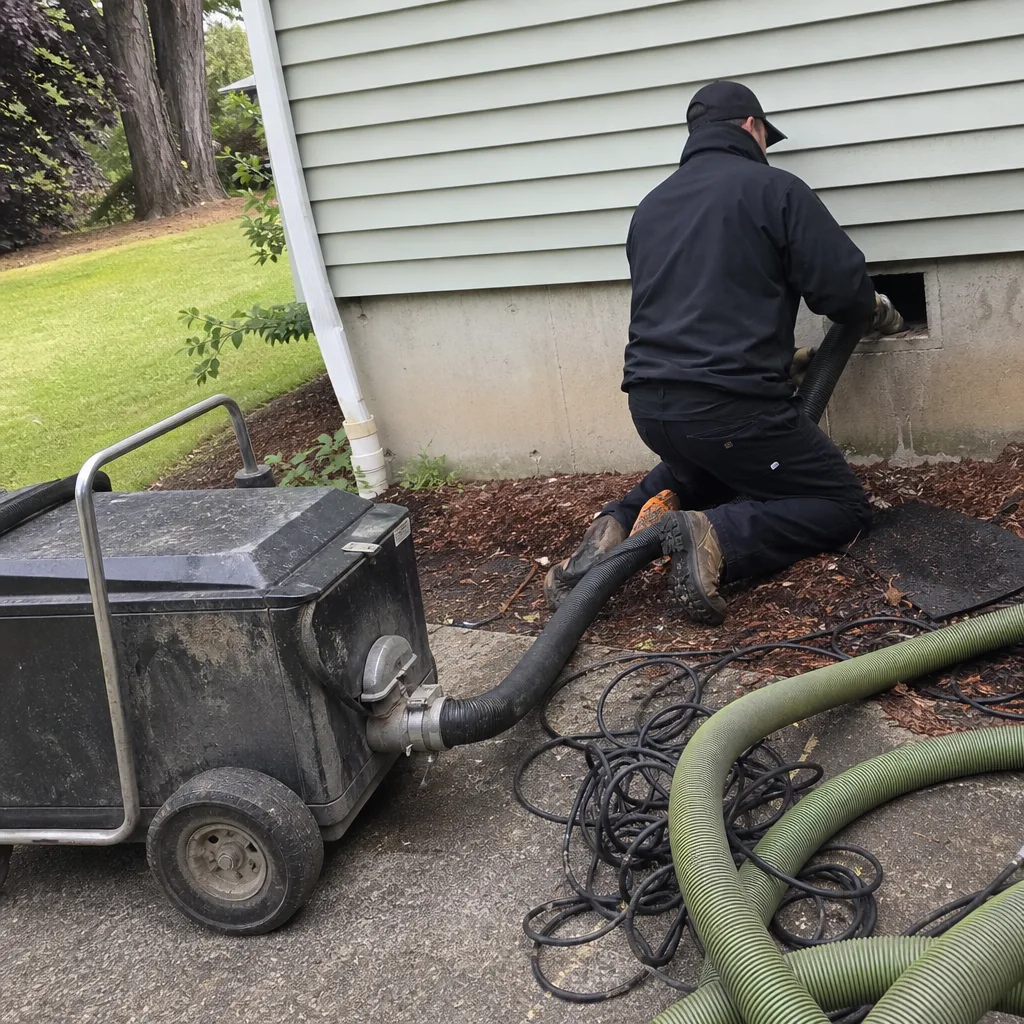 Before
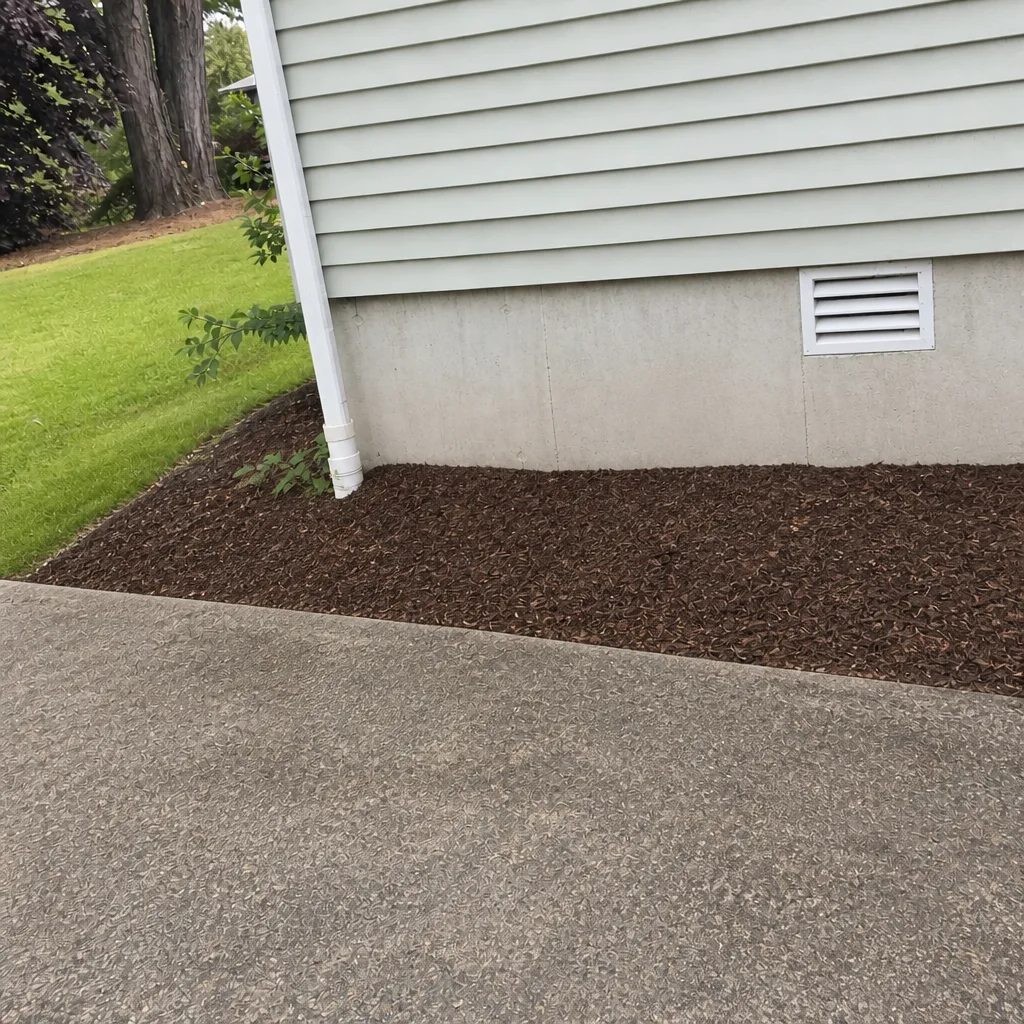 After