
Last updated November 25, 2026
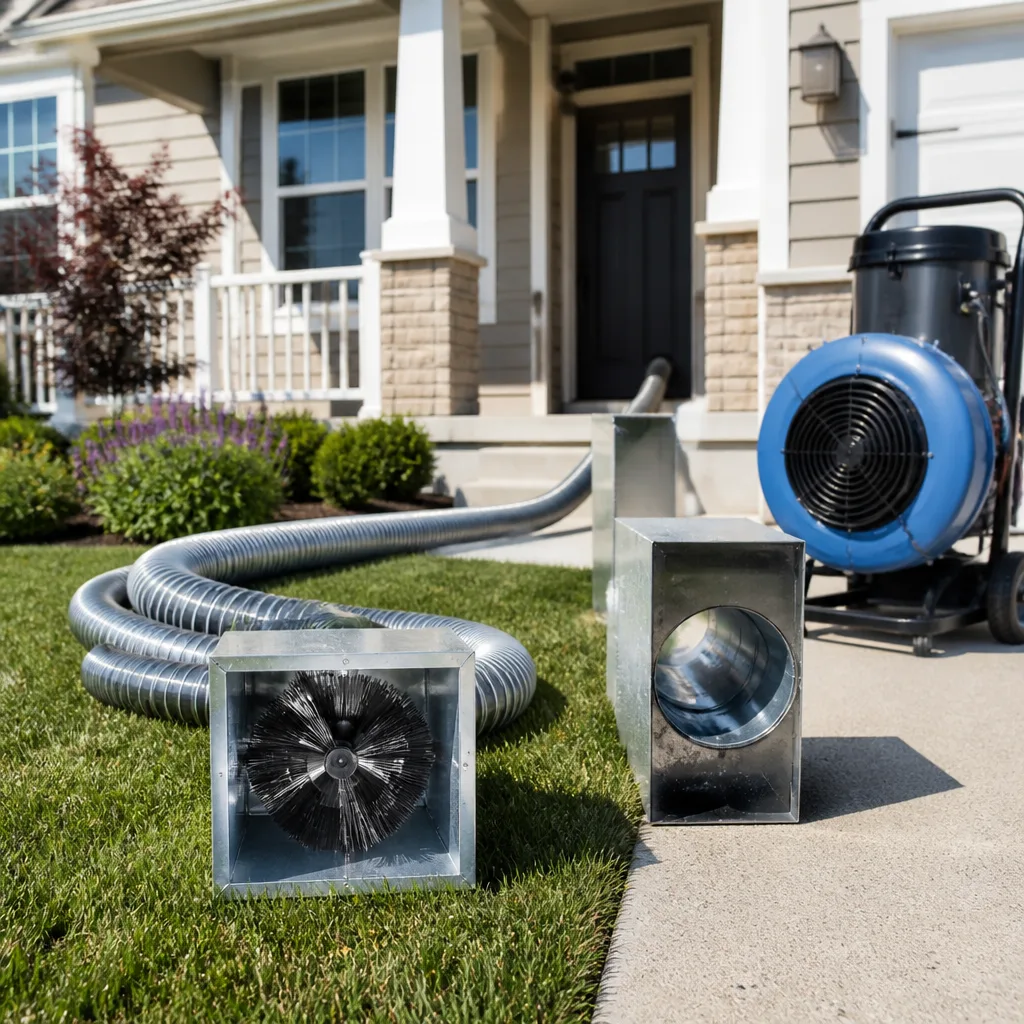 Whole-home duct cleaning
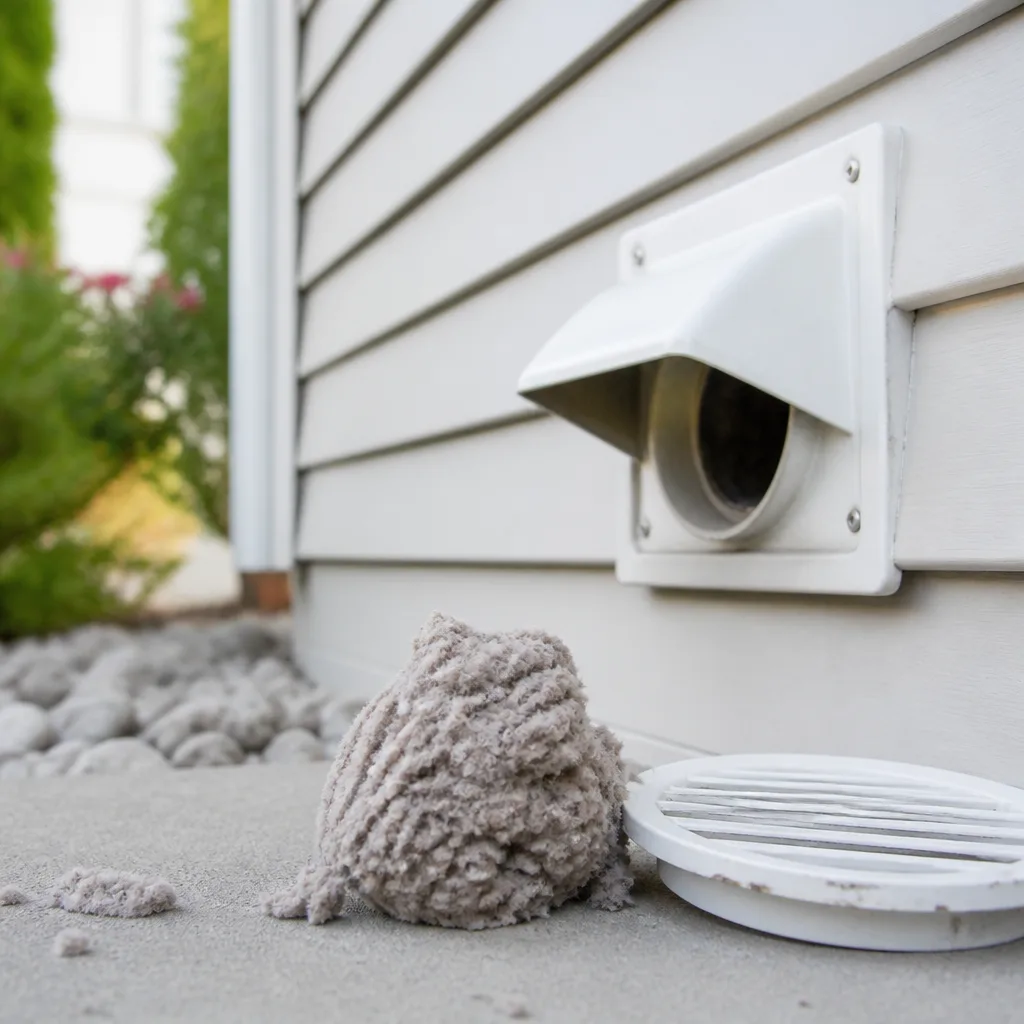 Dryer vent cleaning
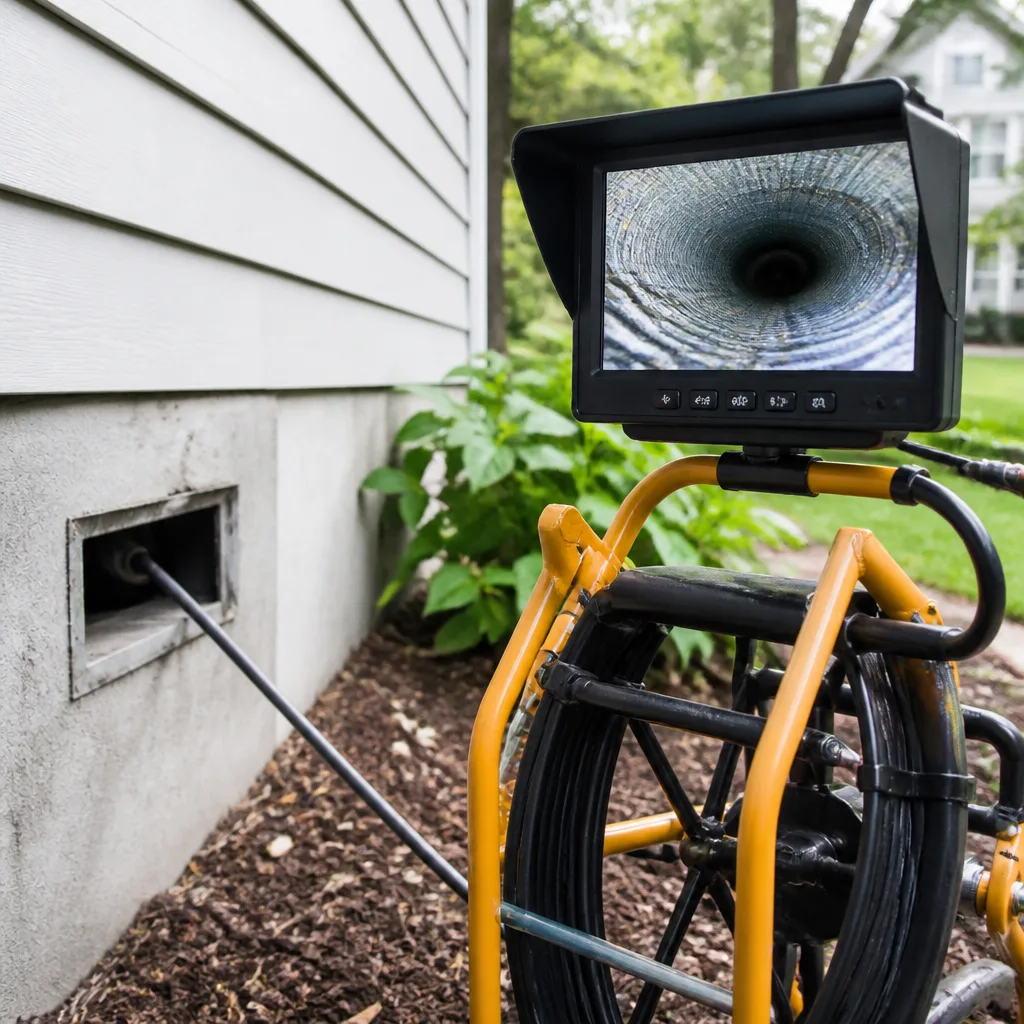 Camera inspection
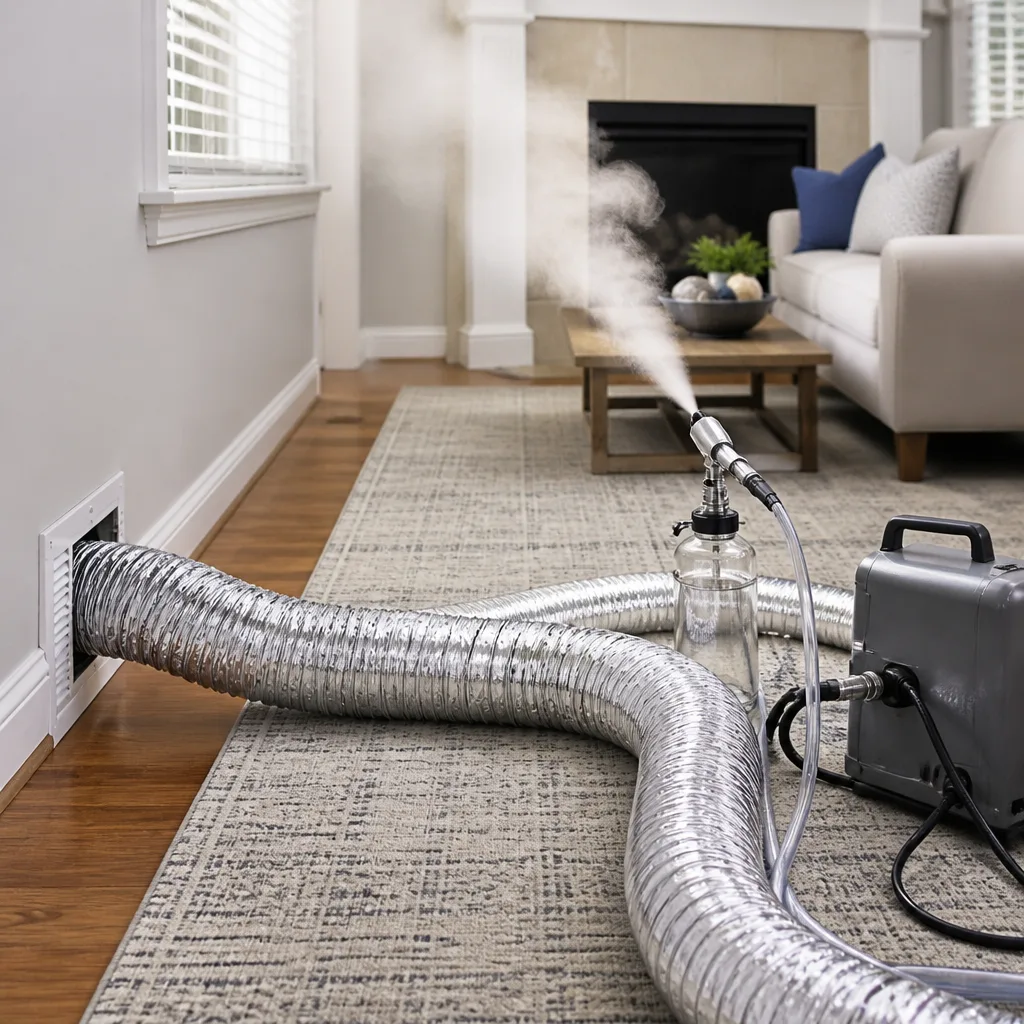 Sanitizing & deodorizing
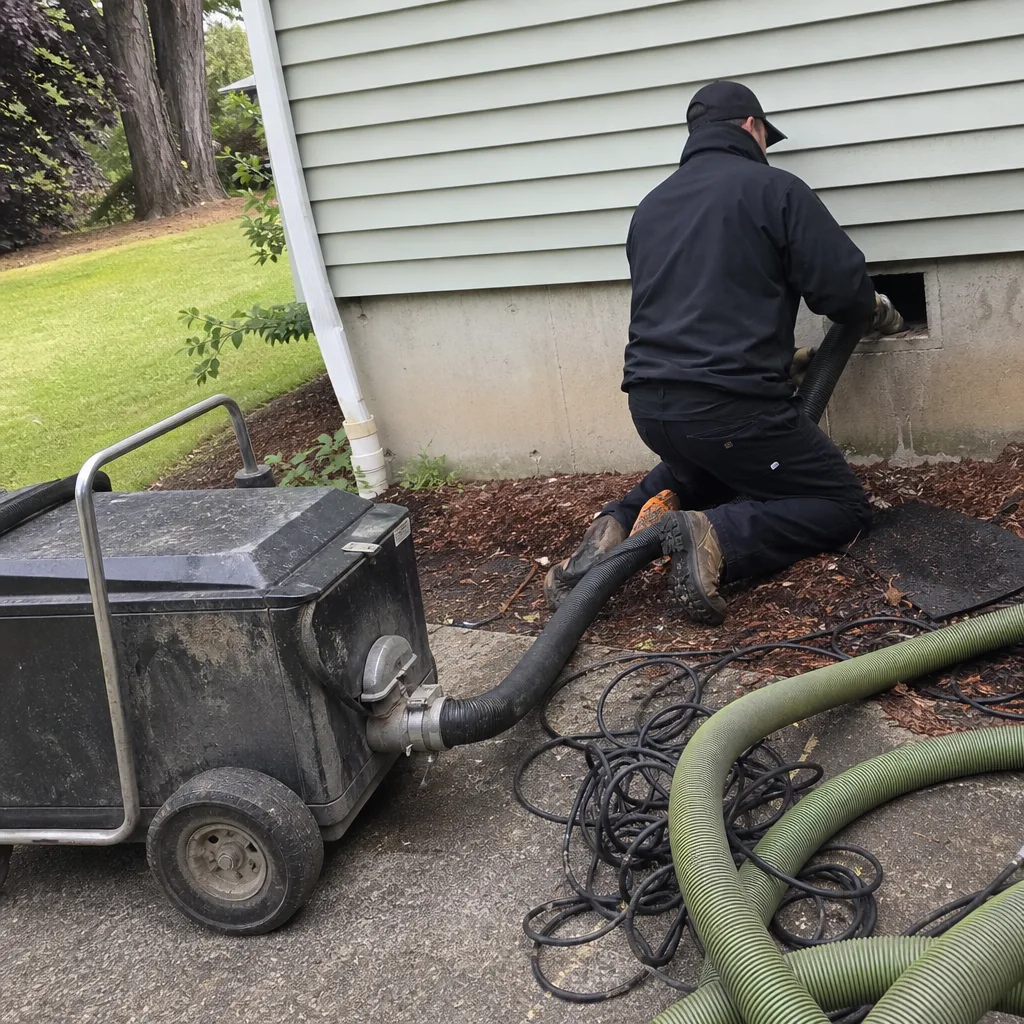
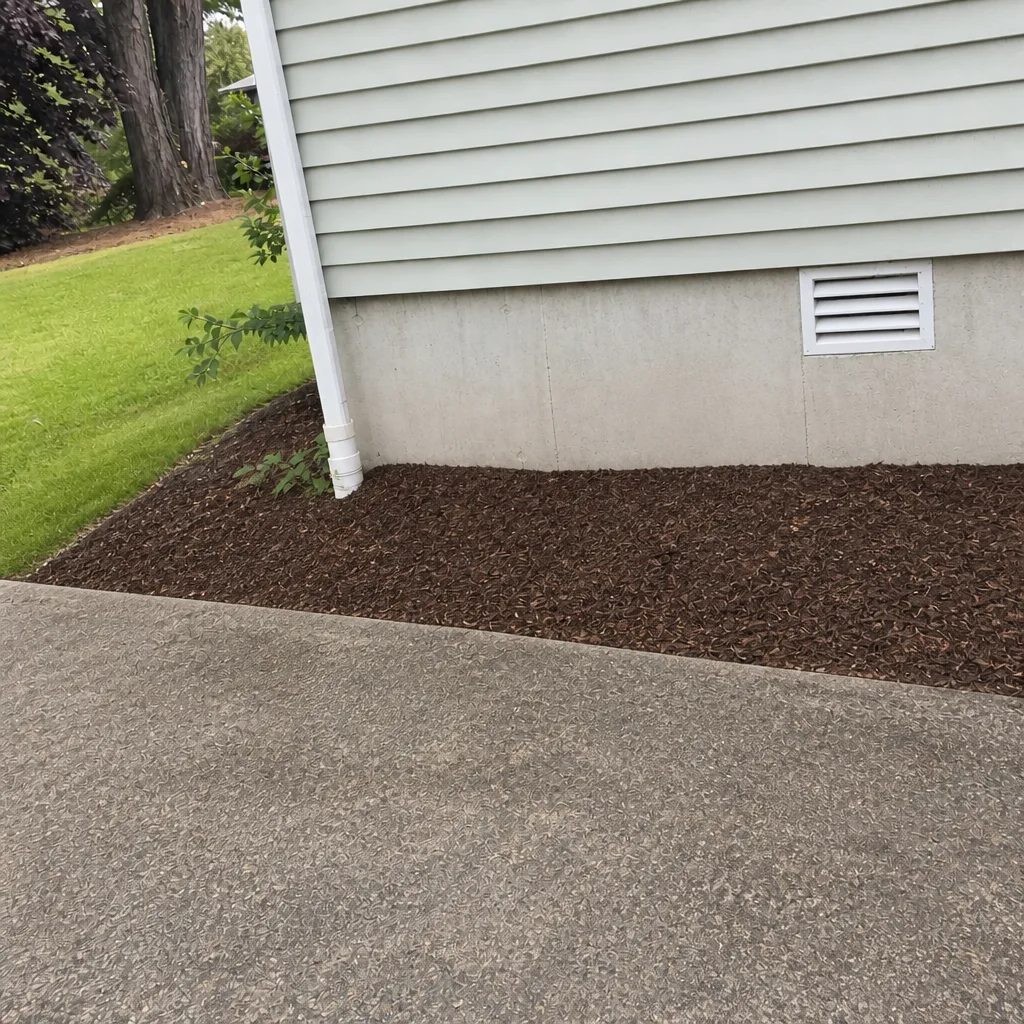
Whole-system duct and dryer vent check with before-and-after photos - you see exactly what came out of your vents
That "$99 whole-house special" is a bait ad - the real number appears once they are in your hallway, or the "clean" is a shop-vac at the register. We photograph the inside of your ducts before and after instead.
Air Duct Cleaning Warning Signs: A Federal Way Homeowner’s Reference Guide
Dust on a register face isn’t a warning sign. It’s normal, and every home in Federal Way has it. The signs that actually point to a contaminated or damaged duct system are subtler, and they usually turn up in airflow patterns, the timing of smells, and how fast your filters load up rather than in visible grime. That’s the problem: most homeowners never establish what normal looks like for their own house, so they can’t recognize when something has drifted. This guide does that baseline work first, then shows you how to read the specific deviations that indicate biological growth, physical damage, or heavy contamination. We’re writing it from Federal Way, where the housing stock and the damp half of the year both shape what goes wrong inside ducts.
Quick Answer
The real warning signs of a duct problem in Federal Way are powdery or fuzzy growth near registers instead of ordinary dust, smells that appear only when the system runs and change depending on which rooms are served, rooms that heat or cool unevenly in ways that shift over time, and filters that clog much faster than your own home’s baseline. Visible dust and a musty smell once in a while are not enough on their own. Two or more of these signals appearing together is what justifies a professional look.
Styles & brands we work with
- Whole-home duct cleaning
- Dryer vent cleaning
- Camera inspection
- Sanitizing & deodorizing
Table of Contents
- Start Here: What a Normal Duct System Looks Like
- Normal Dust vs. Biological Growth Near Registers
- Smell Mapping: Ducts, Air Handler, or Building Envelope?
- Uneven Heating and Cooling as a Diagnostic Signal
- Filter Loading Rate: The Quantitative Warning Sign
- Post-Renovation Signals in Federal Way’s Older Housing Stock
- Dryer Vent Warning Signs You Shouldn’t Overlook
- What Professional Cleaning and Sealing Actually Involves
Start Here: What a Normal Duct System Looks Like
Before you can spot a problem, you need a baseline. In a typical Federal Way home, a healthy duct system does three things predictably: it delivers air to every supply register within a few degrees of the others, it carries a mild, neutral or slightly dusty smell when running, and it lets your filter work for a reasonable stretch before loading up. Those three benchmarks are your reference points. Every warning sign in this guide is a deviation from one of them.
To establish your baseline, do this once a year:
- With the system running, hold your hand at each supply register for a few seconds and note which feel strong, medium, or weak.
- Note the temperature of each room after the system has run steadily for a while, comparing rooms served by the same equipment.
- Write the date on your filter when you install it, then count the weeks until it visibly loads.
- Notice the smell each time the system starts up, on a mild day and after a stretch of rainy weather.
None of this is complicated, but it turns vague impressions into something you can compare over time. When a homeowner tells us a room “has always been cold,” the first question we ask is whether it’s actually always been cold or just started feeling that way after some change. Federal Way sits in a marine climate with wet winters and dry summers, which means filter loading and odor patterns here shift with the season, not just with the age of the system. A single off week means little. A trend across a season is worth investigating.
Normal Dust vs. Biological Growth Near Registers
Ordinary household dust settles on register faces as a thin, even, gray-tan film. You can wipe it away and it takes weeks or months to return. What indicates biological growth is different, and the texture is your best clue. Mold and mildew tend to appear as a powdery bloom, fuzzy or velvety patches, or dark speckling that clings to the grille and the duct interior just behind it, and it comes back fast after you clean it.
- Even gray film that wipes clean: normal dust accumulation.
- Powdery blue-gray or white bloom: often condensation-driven surface growth.
- Fuzzy, velvety, or dark speckled patches: a stronger signal of active biological growth.
- Regrowth within days of cleaning: the moisture source feeding it is still active, so cleaning alone won’t fix it.
Here’s the part most people miss: growth near a register almost always means moisture, and moisture means the system has a problem worth fixing, not just cleaning. In Federal Way, a damp crawlspace, a leaking return, or a duct run through an unconditioned space can introduce that moisture seasonally. You can clean the visible bloom off a grille in minutes, but if the conditions come back every wet season, the growth will too. The right response is cleanup plus identifying and closing the moisture pathway. That’s the reasoning behind Federal Way Air Duct Cleaning treating cleaning and duct repair as one conversation rather than two separate jobs.
Smell Mapping: Ducts, Air Handler, or Building Envelope?
Which smells actually come from your ducts, and which don’t? Most smells homeowners blame on ducts originate somewhere else entirely, and the way a smell behaves when the system turns on and off tells you where it lives. That’s why smell mapping matters more than sniffing once.
Run the system, walk the house, then shut it off and walk again. Use the differences:
- Duct smells: appear only when the fan runs, fade within minutes of shutdown, and often concentrate at specific registers rather than everywhere.
- Air handler smells: show up the moment the equipment starts, feel warmer or more mechanical, and may carry a damp or dusty electrical character.
- Building envelope smells: persist whether or not the system runs, and change with outdoor weather, wind direction, or recent rain.
- Drape-and-return patterns: a smell that’s strongest near a return grille points toward the return path, not the supply.
A musty smell that appears only on startup and fades is the clearest of these. It suggests damp buildup somewhere in the air path, often on the coil or in a section of liner. A smell that arrives with the first wet weeks of fall and lingers for months points outside the duct system. And an odor that’s strongest in one room suggests a local cause, such as a bathroom exhaust ducting into the same cavity. Mapping takes about ten minutes and saves you from paying to clean a system that isn’t the source. If the smell is coming from ducts and the growth is biological, the fix is mechanical cleaning first, then a sanitizing treatment afterward to neutralize what’s left behind.
Uneven Heating and Cooling as a Diagnostic Signal
Uneven room temperatures can mean two very different things, and telling them apart changes what the fix is. Structural issues are about how air moves through the house. Contamination issues are about how much air the ducts can carry. The two can look identical on a thermostat.
Use this quick diagnostic:
- Feel the air strength at each supply register. If one room gets weak flow but the air that arrives is the right temperature, the problem is likely airflow distribution, not contamination.
- If a room gets strong flow but the air is lukewarm when it should be warm, look at duct leakage or a blocked or collapsed run before suspecting contamination.
- If several rooms have weak flow and this got worse gradually, a loading problem in the ducts or a partially clogged coil is more likely.
- If one room was always cold and always has been, that’s a design issue, not a new warning sign.
Structural problems mean leaks, disconnects, crushed flex runs, or poorly balanced dampers. Contamination problems mean dust and debris restricting flow, often combined with a coil that needs cleaning. Both are common in Federal Way’s older homes, and both are reasons to have the system looked at as a whole rather than piece by piece. Our HVAC cleaning work includes checking the air handler and coil, because weak airflow that starts at the equipment rarely starts in the ducts alone. A clean system and sealed ducts together are what actually deliver even comfort room to room.
Filter Loading Rate: The Quantitative Warning Sign
Filter loading rate is the single most useful measurable warning sign a homeowner has, and almost nobody uses it. A visual inspection tells you what the filter looks like now. Loading rate tells you how fast it’s getting there, and that trend is more diagnostic than any one photograph.
Here’s how to read it:
- Baseline: pick a filter brand and size and stay with it. Install a fresh one and write the date on the frame.
- Track weeks to load: count the weeks until the filter is visibly gray across its full face.
- Compare: if a filter that used to last ten weeks is now loading in four, the system is pulling more particulate than before.
- Watch for early exceptions: a heavy renovation, a new pet, or a construction project next door can load a filter fast and then clear up.
- Note the season: Federal Way’s wet months change loading patterns, so compare like with like.
A filter clogging twice as fast as your own baseline is a stronger signal than a filter that’s simply dirty, because it points to a change in the system rather than a normal cycle. The same reasoning applies to return air grilles that seem to collect dust faster than they used to. That said, loading rate doesn’t tell you what the particle is. It tells you something has changed, and a professional inspection can tell you whether that something is a sealing problem, a contamination problem, or just a household change. Filter choices matter here too: a filter that’s too restrictive for the equipment can starve airflow, which shows up as weak rooms rather than a dirty filter. We can pair a system with Aprilaire or Honeywell filtration that matches its capacity instead of fighting it.
Post-Renovation Signals in Federal Way’s Older Housing Stock
Federal Way has a large share of homes built before 1990, and many of those were built with flex duct and fiberglass duct board rather than rigid metal. That matters after a renovation, because a construction project disturbs exactly the parts of a system that are hardest to inspect and easiest to damage.
Watch for these post-renovation signals:
- Dust pattern change: dust on surfaces in rooms that were never worked on, arriving within days of demolition or sanding.
- Sudden smell shift: a construction-dust or new-material smell that shows up only when the system runs and lingers in specific rooms.
- Flex duct disturbance: a run that was pushed, pinched, or re-routed to make room for framing or electrical work, reducing airflow to a room.
- Duct board degradation: older fiberglass board that has deteriorated, leaving exposed fibers or a crumbling liner surface inside the duct.
- Temporary filter surprises: a filter that loaded in weeks during the project and continues to load fast after the project ends.
Older flex runs are also more prone to sagging and accumulating debris at low points, and fiberglass duct board can develop surface damage that traps dust and holds moisture. After any significant renovation in a pre-1990 Federal Way home, a system check is more useful than a visual once-over. During cleaning, we deploy Abatement Technologies filtration to capture dislodged contaminants rather than recirculating them, which matters more in a home that just came through demolition dust. And when the inspection turns up gaps or damaged runs, sealing them is the difference between a clean system and a clean system that stays clean.
Dryer Vent Warning Signs You Shouldn’t Overlook
A dryer vent is a duct, and its warning signs behave on their own timeline. The most important one is a dryer that takes noticeably longer than usual to dry a normal load. If clothes that used to dry in one cycle now need two, the vent path has likely narrowed from lint buildup.
- Longer dry times: the classic and most reliable signal.
- A hot dryer cabinet or warm clothes at the end of a full cycle: heat is not escaping as it should.
- Reduced airflow at the exterior vent: check that a healthy stream of warm air comes out when the dryer runs.
- Lint visible around the ductwork or behind the dryer: a sign the duct is not capturing lint the way it used to.
- A musty or burning smell near the dryer: worth addressing promptly rather than putting off.
Dryer vent cleaning is included in our service scope for a reason: lint that builds up in a duct is a fire risk, and it’s one of the most overlooked parts of home duct maintenance because most homeowners never think to look at it. Federal Way homes with long, corrugated, or complicated vent runs are especially worth checking. If you’ve noticed long dry times or lint around the ductwork, dryer vent cleaning is the place to start before anything else. The good news is that it’s typically a fast, contained job once the vent path is identified.
What Professional Cleaning and Sealing Actually Involves
Understanding what a real clean looks like helps you evaluate the warning signs you’ve spotted and the quote you get in return. Professional-grade equipment is the difference between a system that’s genuinely clean and a system that has been nudged around. Consumer-grade vacuums and shop vacs don’t have the airflow, the containment, or the agitation to move caked debris and dislodge what’s adhered to duct walls.
Our technicians have up to 9 years of experience, and they use Rotobrush rotary brush systems and Nikro HVAC cleaning equipment, the same class of tools used by commercial restoration contractors. The process runs roughly like this:
- Inspection and negative pressure: the system is placed under vacuum before any brush contacts the ducts, so dislodged debris is captured rather than pushed into living spaces.
- Mechanical agitation: rotary brush systems work the entire length of each run, not just the visible portion.
- Containment filtration: Abatement Technologies filtration captures fine particulate during the process.
- Coil and air handler cleaning: the equipment that moves air gets attention too, since contamination often collects there.
- Post-clean check and photos: you see what came out of your ducts before the job closes out.
Then comes repair and sealing, which is where a lot of cleaning jobs stop short. A sealed system holds pressure, delivers balanced flow, and stops pulling dust from unconditioned spaces into the air you breathe. After mechanical cleaning, a sanitizing treatment neutralizes biological contaminants that survived the debris removal. And if you’re ready for a filtration upgrade, Aprilaire and Honeywell products can be installed at the same visit so the system is left in better shape than it was found. You can read more on our air duct cleaning page if you want a fuller picture of the process.
Common Mistakes to Avoid
- Treating visible dust as the main signal. Dust on a register face is normal in every Federal Way home, so it can’t be your primary indicator. Watch the texture, the regrowth speed, and the airflow change instead.
- Cleaning biological growth without finding the moisture. Bloom that returns within days of cleaning is pointing at a moisture source, and cleaning alone won’t fix it. The pathway has to be closed or the growth comes back.
- Ignoring that one room was always cold. A room that has never gotten warm is a design or balance issue, not necessarily contamination. Treating it as a duct problem wastes money; treating it as a structural issue gets it fixed.
- Never replacing the filter or recording the install date. Without a baseline, filter loading rate is meaningless. Write the date every time and compare like with like.
- Skipping a system check after a renovation. Older flex runs and fiberglass duct board in pre-1990 Federal Way homes are easily disturbed by construction. A check after the project catches damage before it becomes a habit.
- Overlooking the dryer vent. Longer dry times are easy to shrug off. If your clothes need a second cycle, the vent is telling you something.
- Hiring on price alone. A low quote that covers only the visible registers will leave you with the same contamination and the same warning signs. The estimate should describe the whole system and what it covers.
See the difference
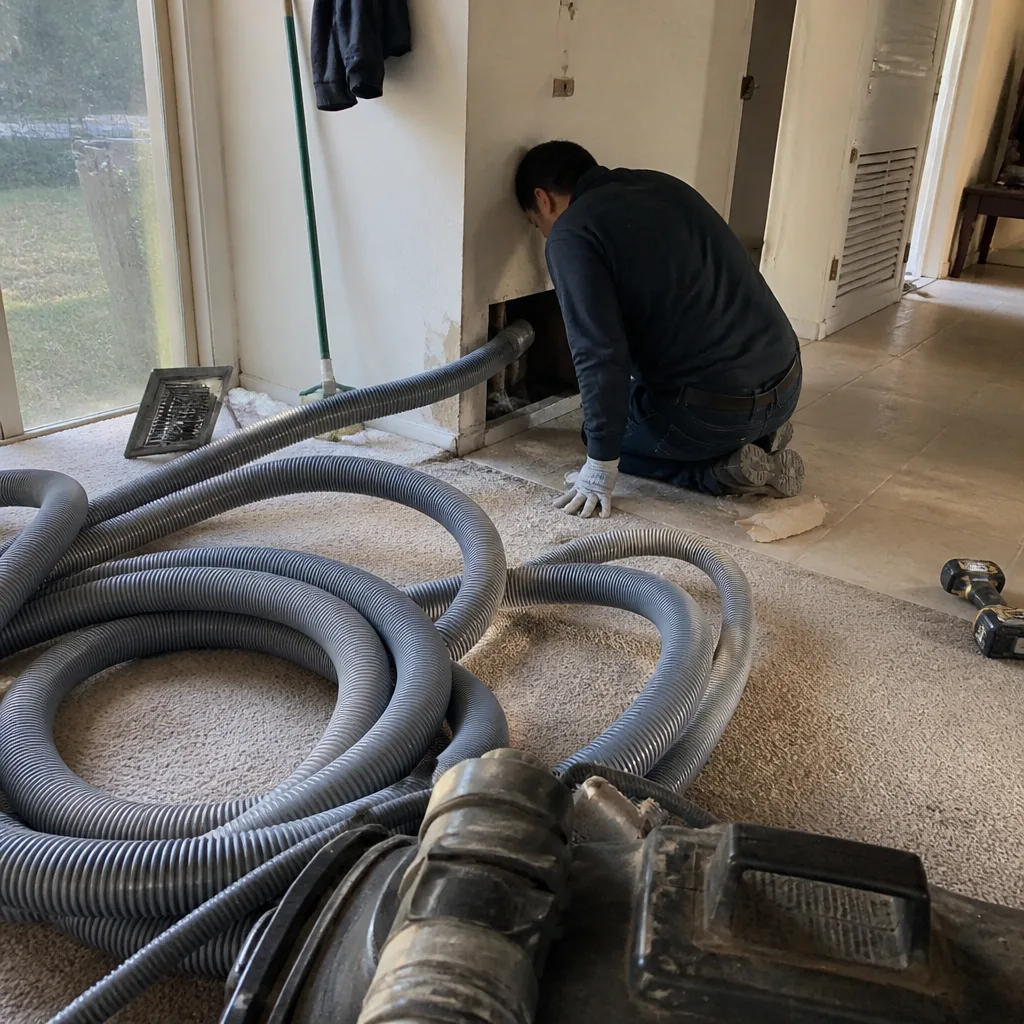 Before
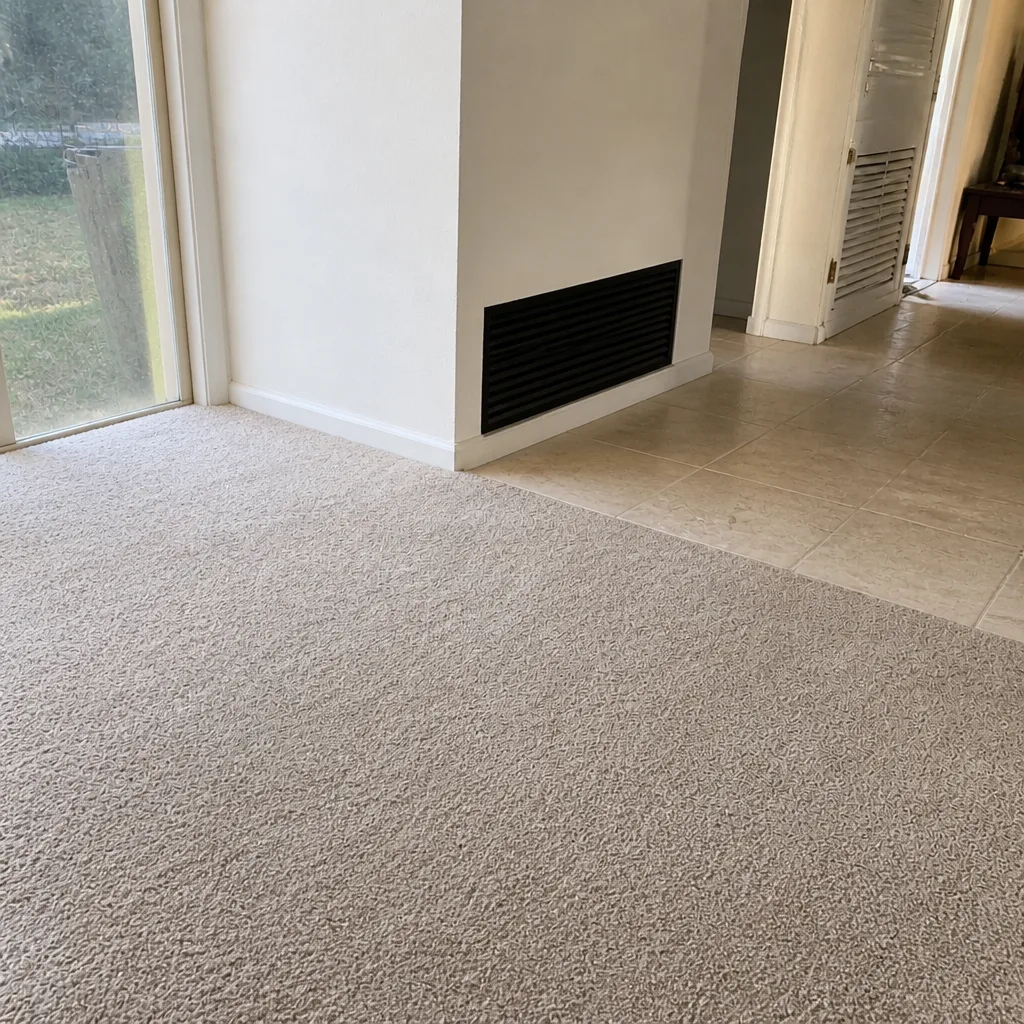 After
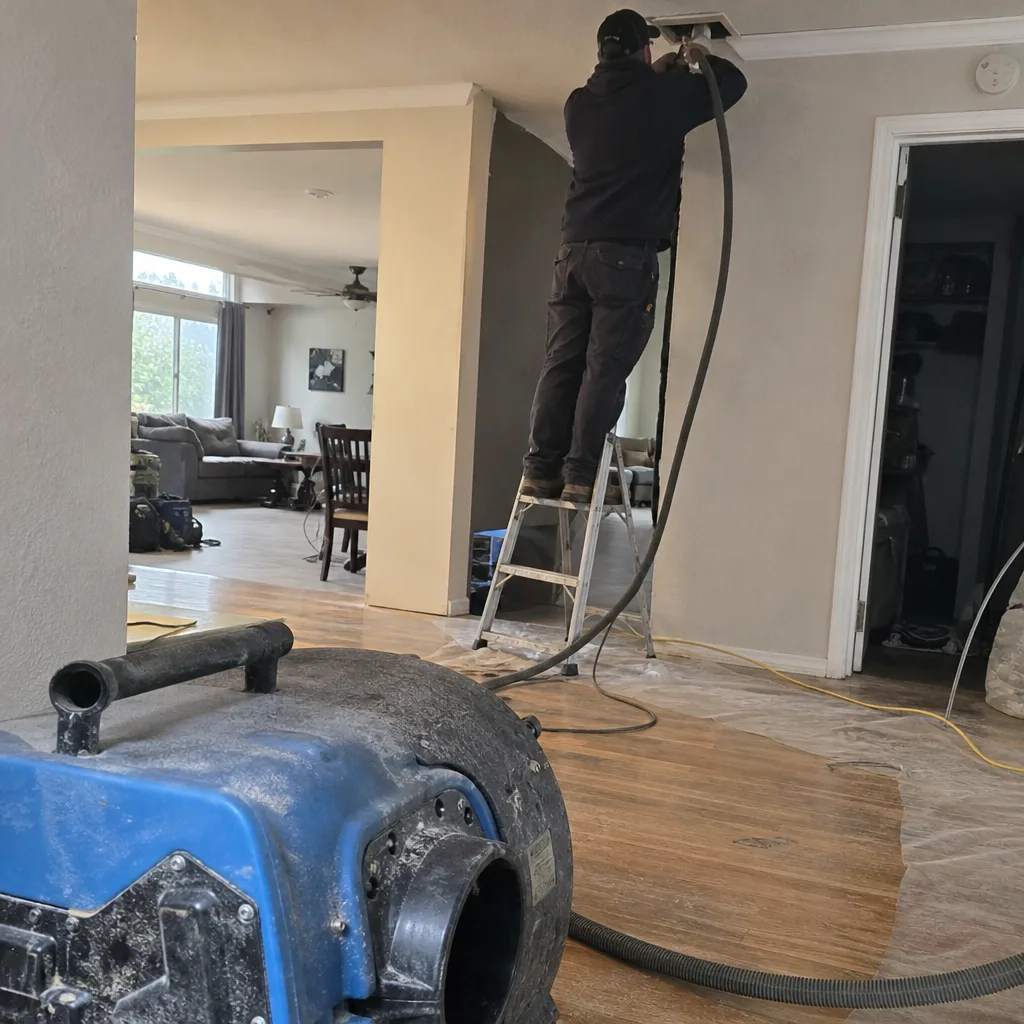 Before
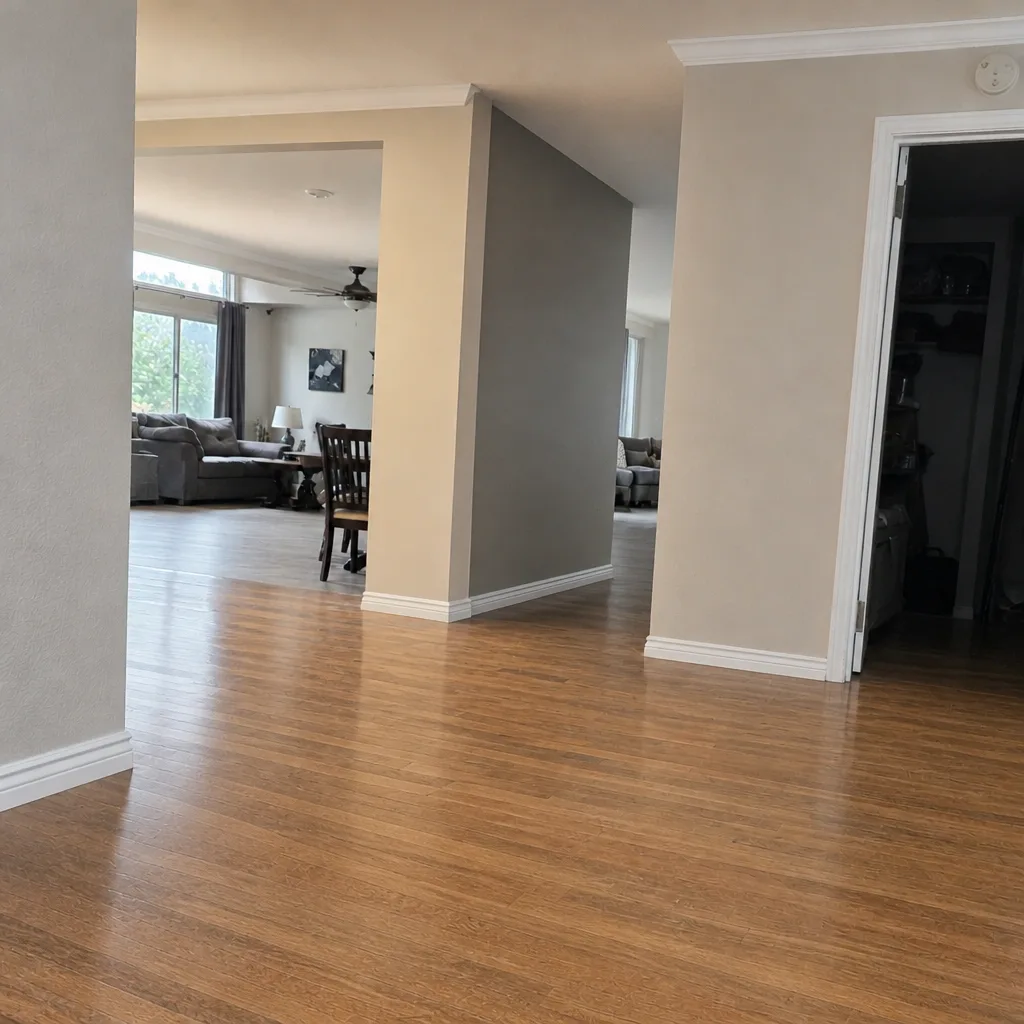 After
 Before
 After
When to Call a Professional
Call a professional if you’ve spotted two or more of the warning signs in this guide at the same time, if a smell appears only when the system runs, if your filter loading rate has changed noticeably, or if your home came through a renovation without a system check. Federal Way Air Duct Cleaning offers free estimates in Federal Way, and we’ll tell you honestly whether the issue is contamination, damage, or something outside the ducts. Our technicians have up to 9 years of experience and use Rotobrush and Nikro equipment on every job. Call (833) 482-6220. We answer 24/7. Fast dispatch from 7am to 7pm, Sunday through Friday.
Frequently Asked Questions
The cost depends on the size of your system, the number of runs, and how much debris is present, so there’s no honest ballpark that fits every home. We quote one flat price per system after inspection, not per vent, and the written estimate sets the final price. Call (833) 482-6220 for an exact quote – estimates are free.
Lower quotes usually cover a smaller scope: only the visible registers, consumer-grade equipment, and no follow-up on damage or leaks. That’s often why the warning signs you started with are still there afterward. Call (833) 482-6220 for an estimate that describes what’s covered and what the system actually needs.
Ask for before-and-after photos of your own ducts and an inspection of the air handler and coil as part of the job. With professional equipment under negative pressure, the process is verifiable, and you should see the evidence. Call (833) 482-6220 to talk through what we inspect and how we document it.
It depends on your home’s baseline, not on a fixed calendar: homes with pets, recent renovations, or allergies typically need it more often than homes with none of those factors. Watch your filter loading rate trend, and let that be your guide. Call (833) 482-6220 if your trend has changed.
Yes, often it does. Uneven heating and cooling, a persistent smell, or weak airflow can come from a leak, a disconnected run, or a building envelope issue rather than debris. That’s why we check the system as a whole before quoting. Call (833) 482-6220 for a free estimate.
Start by shutting the system off and seeing whether the smell fades within minutes; that timestamp is the signal that it’s in the air path. Then get it inspected so the source can be identified and cleaned, and the moisture issue closed off. Call (833) 482-6220. A smell that clears when the fan stops is worth a look sooner rather than later.
The Bottom Line
The warning signs that matter in Federal Way aren’t visible grime; they’re deviations from your own home’s baseline. Establish how your registers feel, how your rooms heat and cool, how your filter loads, and how your system smells when it runs. Then watch for changes: growth that comes back fast, smells that are tied to the fan, uneven rooms that got worse, filters that clog faster, and any renovation that disturbed an older system. Two or more signals together is your cue to get a professional inspection. And when you’re ready for a straight answer, call (833) 482-6220. We answer 24/7. Fast dispatch from 7am to 7pm, Sunday through Friday.
Written by the team at Federal Way Air Duct Cleaning.