
Last updated November 25, 2026
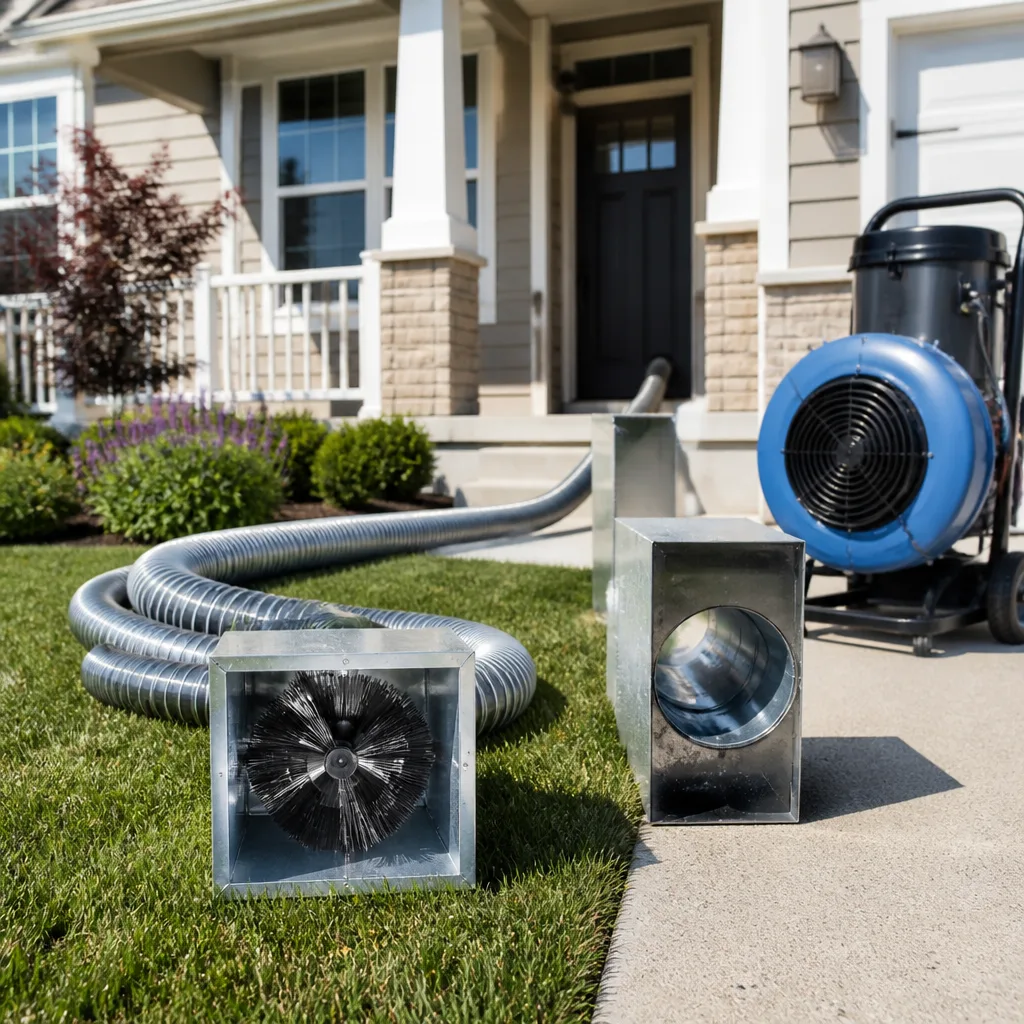 Whole-home duct cleaning
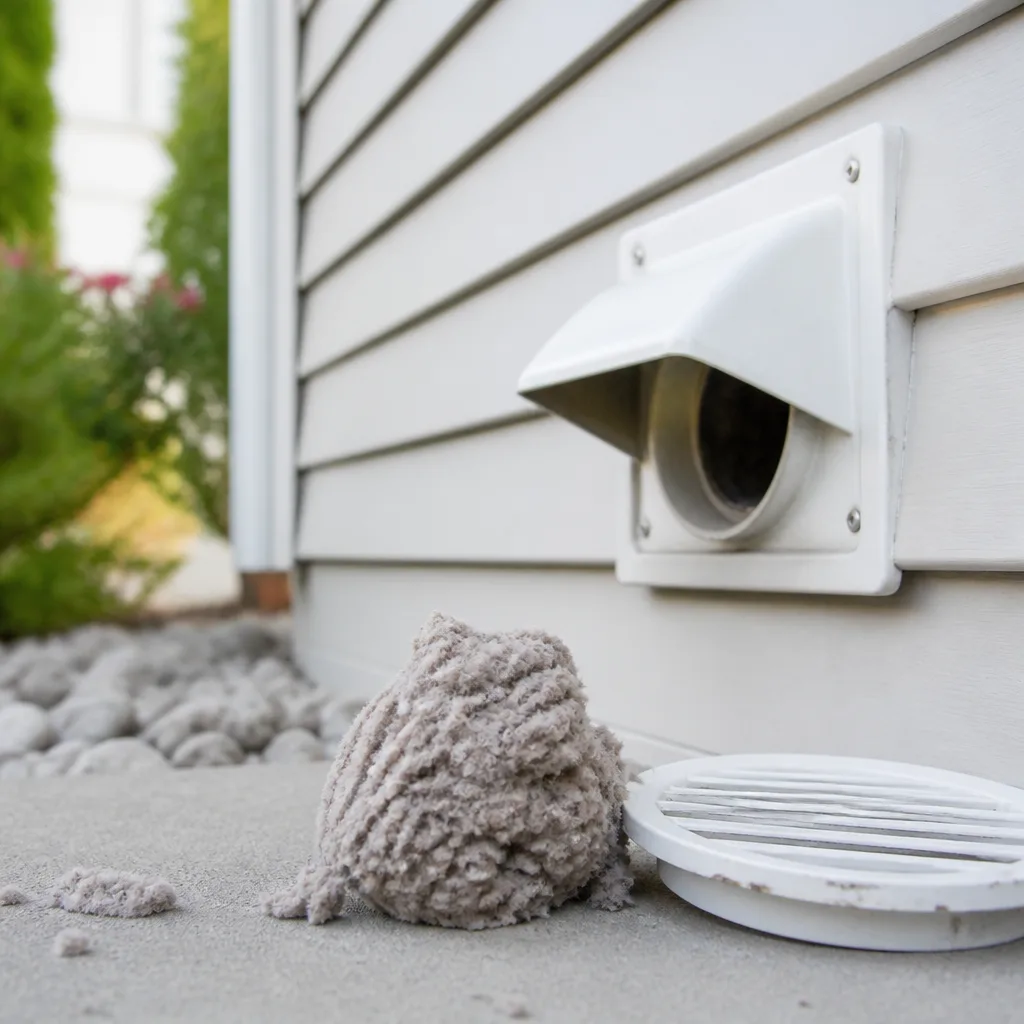 Dryer vent cleaning
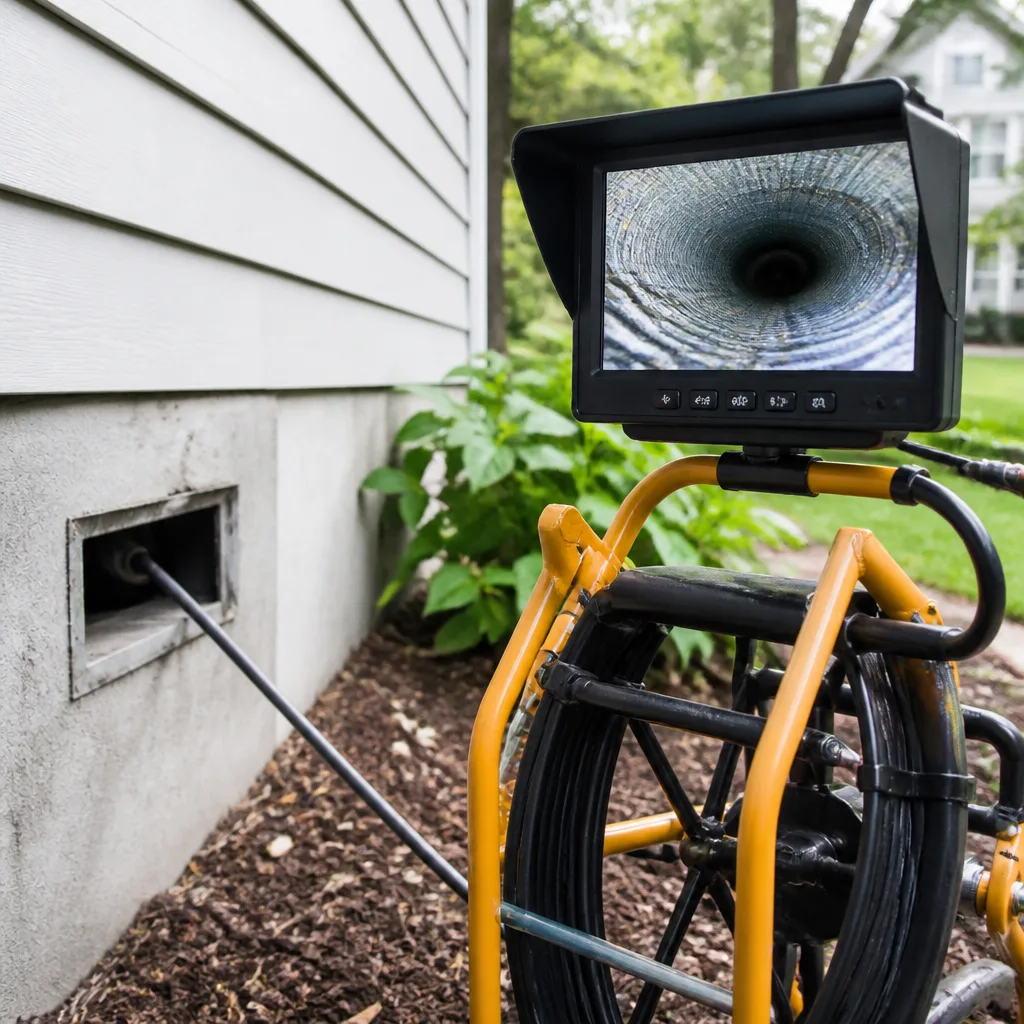 Camera inspection
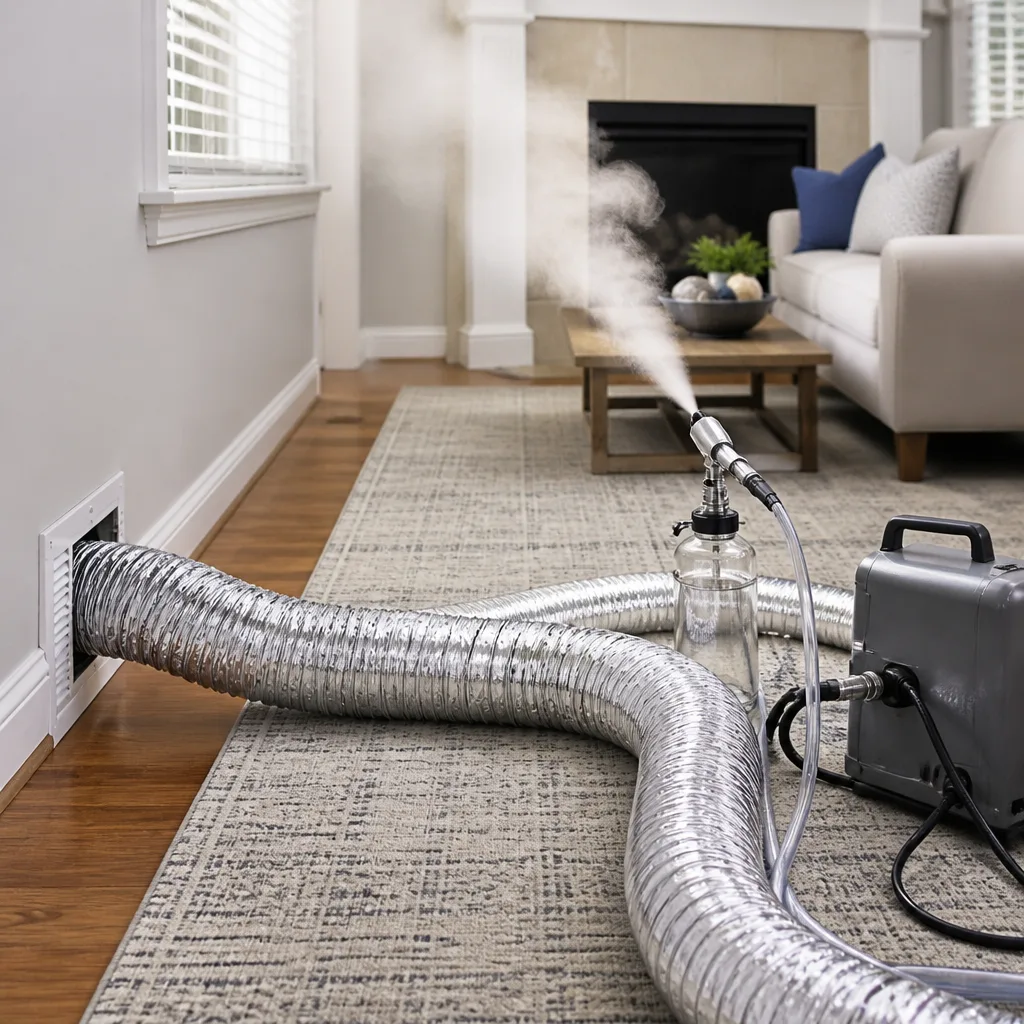 Sanitizing & deodorizing
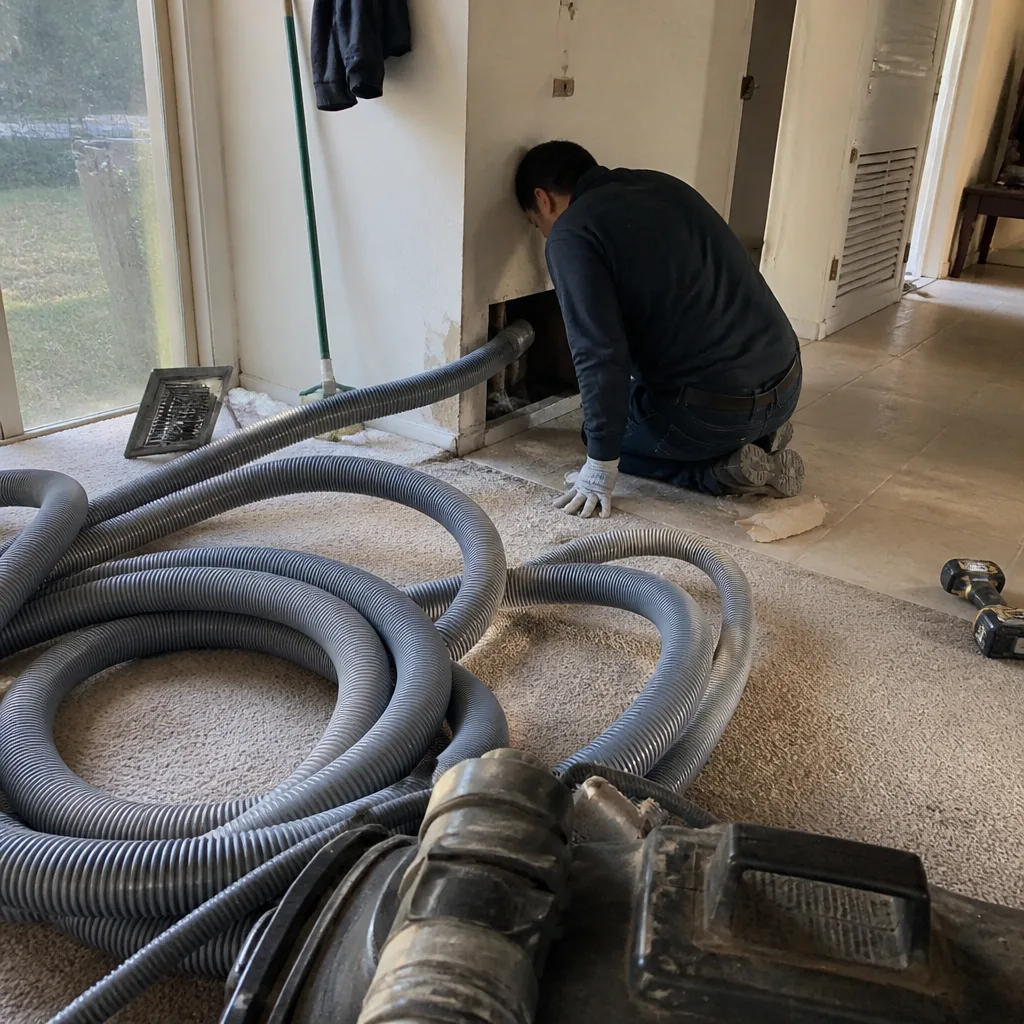
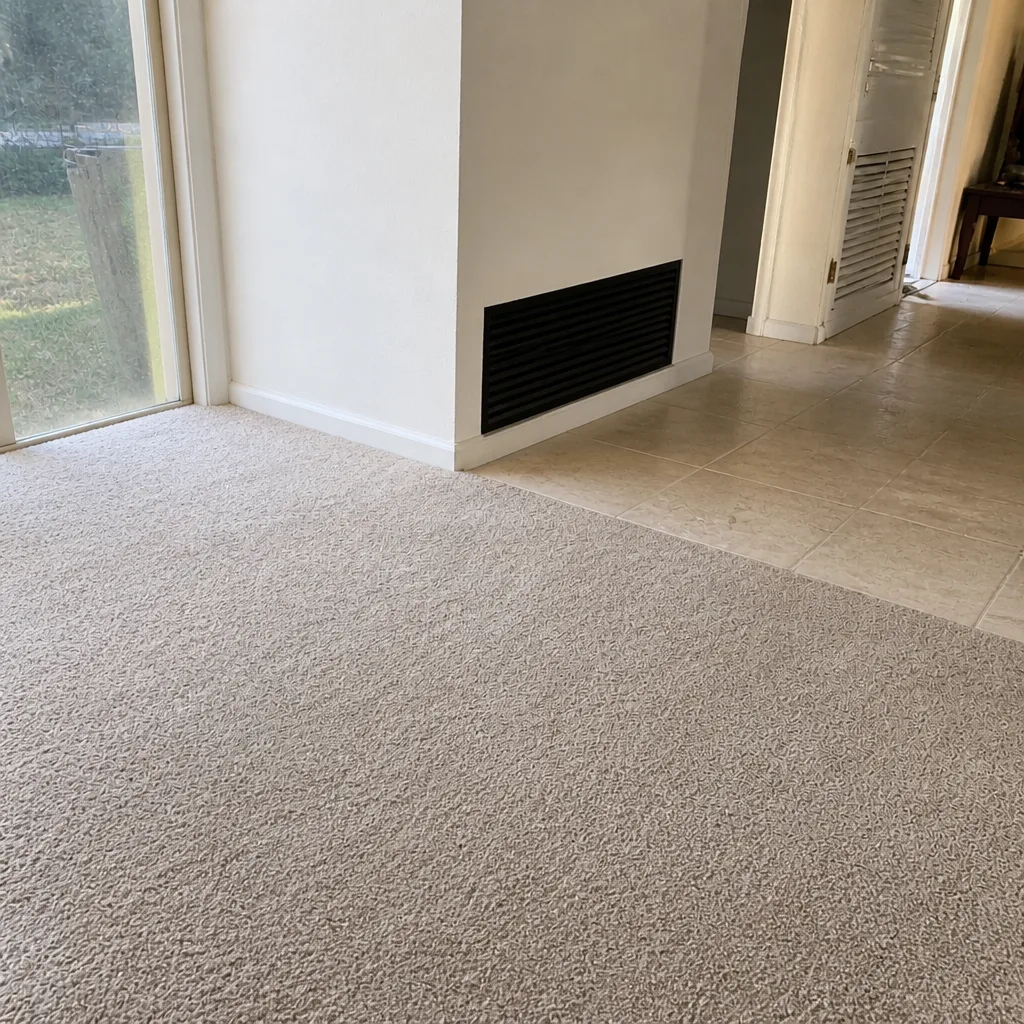
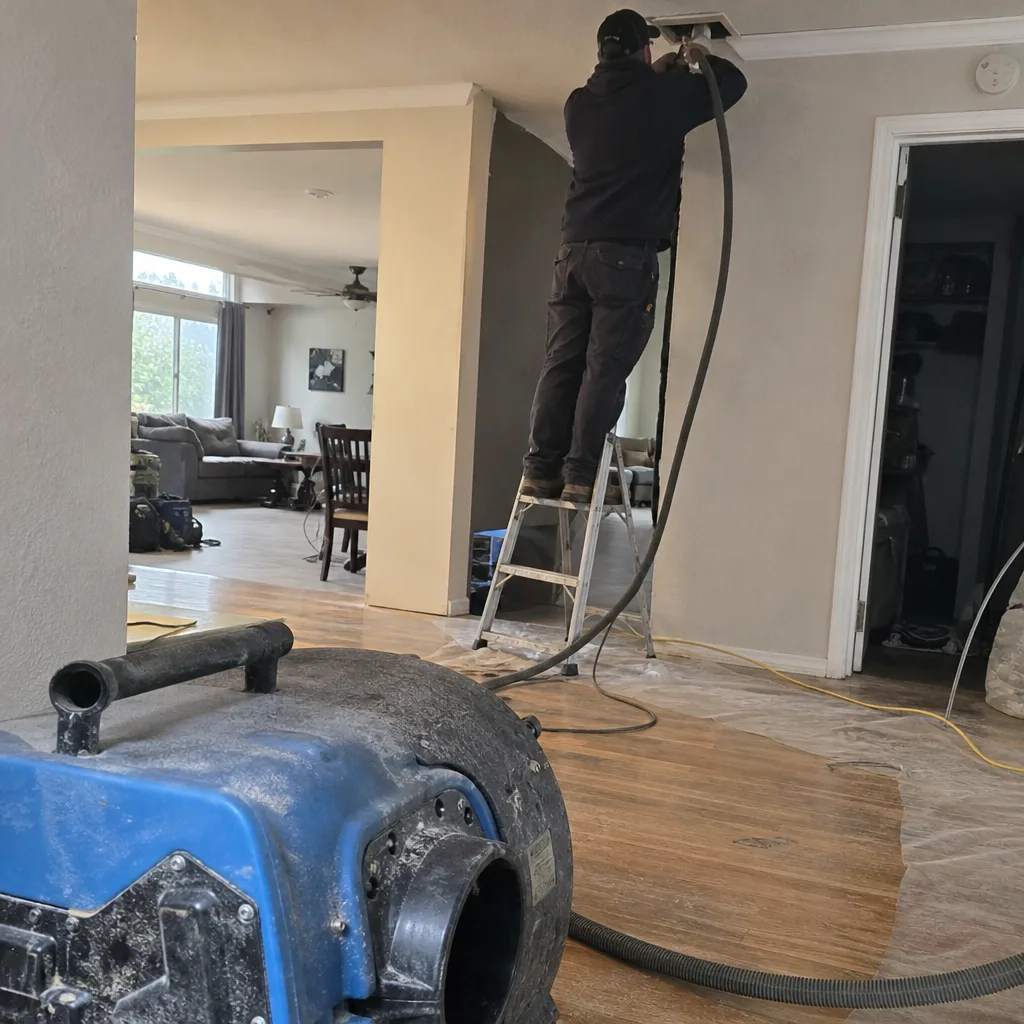
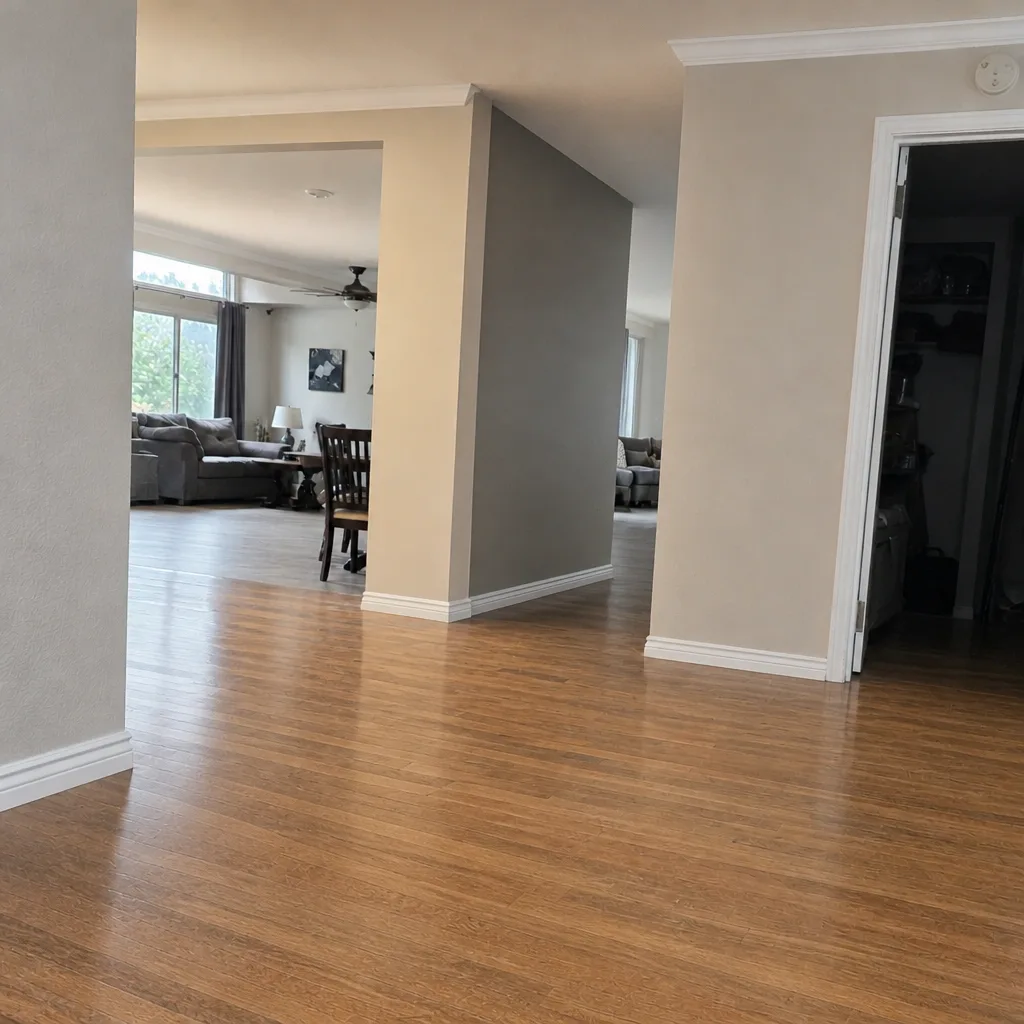
Whole-system duct and dryer vent check with before-and-after photos - you see exactly what came out of your vents
That "$99 whole-house special" is a bait ad - the real number appears once they are in your hallway, or the "clean" is a shop-vac at the register. We photograph the inside of your ducts before and after instead.
Choosing the Right Air Duct Cleaning Brand: A Buyer’s Guide for Federal Way
Most homeowners here compare duct cleaning companies by star rating and coupon price. We think that’s backwards. The brand question that actually matters is mechanical: can the equipment a company operates physically remove the debris bonded to the inside of your ducts? A crew with a shop vac and a good reputation still can’t do source removal. A crew running a rotary brush system and a negative-pressure vacuum can, whether or not they’ve optimized their Google listing. Names like Rotobrush, Nikro, and Abatement Technologies don’t show up in most Federal Way homeowner conversations, and they should. This guide shows you how to evaluate equipment, verify it on site, and ask the questions that separate operators from advertisers.
Quick Answer
The right air duct cleaning brand in Federal Way is the one that can prove, on site, that it operates professional source-removal equipment: a rotary brush system like Rotobrush for contact agitation, and a negative-pressure vacuum like Nikro to capture what’s dislodged. Ask to see the equipment, ask what happens to the debris, and treat any evasive answer as a pass. Brand names on a website mean nothing; equipment in the driveway means everything.
Styles & brands we work with
- Whole-home duct cleaning
- Dryer vent cleaning
- Camera inspection
- Sanitizing & deodorizing
Table of Contents
- Why Equipment Beats Branding
- What Rotobrush Does That a Portable Vacuum Cannot
- Nikro Negative Pressure and What CFM Actually Means
- Abatement Technologies and the Contractor-Side HEPA Standard
- Honeywell and Aprilaire: Upgrading the System After Cleaning
- How to Verify Equipment On Site in Federal Way
- Why Repair and Sealing Belong in the Same Visit
- Common Mistakes to Avoid
- When to Call a Professional
- Frequently Asked Questions
Why Equipment Beats Branding When You’re Comparing Companies
The duct cleaning market has a structural problem: the barrier to entry is a business license, a vacuum, and a website. There is no single national credential that certifies a company can perform source removal, so a homeowner in Federal Way ends up comparing marketing instead of capability. That’s why the “best air duct cleaning company Federal Way WA” search returns a page of similar-looking sites with similar-sounding promises.
The technical reality is narrower than the marketing. Duct cleaning standards in the trade distinguish between surface cleaning and source removal. Source removal means the accumulated debris, dust, and biological material attached to the duct walls is physically dislodged and carried out of the system, not just disturbed and left to resettle. Only two equipment categories can do that reliably: a mechanical agitation tool that touches the duct interior, and a vacuum strong enough to hold the whole system under negative pressure while agitation happens.
That gives you a practical filter. Whatever a company calls itself, ask what machine agitates the duct walls and what machine captures the debris. If both answers are specific brand names and the company can show you the equipment, you’re dealing with an operator. If the answer is vague, you’re dealing with a marketer. In a market this size, that distinction separates a lot of Federal Way contractors from each other.
- Mechanical agitation touches the duct wall and breaks debris loose.
- Negative pressure keeps debris moving toward the vacuum, not into living space.
- HEPA filtration on the vacuum side captures fine particulate before it reaches the exhaust.
- Source removal, not surface dusting, is the outcome that lasts.
Once you start asking about those four things, the comparison changes completely. Reviews describe the experience a company delivers on a good day; equipment describes the ceiling on what any day can produce.
What Rotobrush Does That a Portable Vacuum Cannot
Rotobrush is a rotary brush system built specifically for residential duct interiors. A flexible shaft drives a spinning brush head through the duct run, and the brush physically contacts the duct wall as it travels. That contact is the entire point. The debris that causes complaints in Federal Way homes, the dust mat bonded to galvanized duct walls, and the buildup at elbows and takeoffs doesn’t lift off from airflow alone. It has to be scraped.
A portable vacuum without agitation does something different. It pulls loose dust and surface debris out of the trunk line while leaving the adhered layer in place. Ducts look cleaner for a few months, then the remaining material re-dusts the supply registers. Homeowners notice this as a service that “didn’t seem to last.”
Here’s what the rotary brush approach actually accomplishes:
- Contact with the duct wall. The brush head abrades bonded material off the surface as it spins.
- Coverage of the full run. The flexible shaft reaches through trunk lines and into branch runs that a vacuum hose alone cannot scrub.
- Debris liberation at the source. Material is broken loose where it accumulated, not just where airflow happened to be strong.
- Synchronized extraction. The brush works in combination with a negative-pressure vacuum, so debris is captured as soon as it’s dislodged.
Rotobrush systems are used by commercial HVAC and restoration contractors, not just residential cleaners. That matters because a contractor who cleans ducts professionally, rather than occasionally, needs equipment that survives daily use on real systems. When a Federal Way company operates that class of machine, it’s a signal about how seriously they treat the work. Our own technicians use Rotobrush rotary brush systems on every job, alongside the Nikro vacuum equipment described below.
One caveat for older homes: duct board and flex duct respond differently to rotary brush agitation than rigid galvanized duct. A trained operator adjusts brush stiffness and speed to the duct material. Ask how they handle flex runs and duct board before they start, and listen for a technical answer rather than a confident one.
Nikro Negative Pressure and What CFM Actually Means in a Federal Way Home
Nikro makes the negative-pressure side of professional duct cleaning, and the spec that gets thrown around in sales conversations is CFM: cubic feet per minute of air movement. CFM matters, but not in the way most homeowners assume. Higher is not automatically better. What matters is whether the vacuum can hold the whole duct system under negative pressure while the rotary brush is working, so that dislodged debris travels toward the machine instead of out through the supply registers.
Practical sizing depends on the house. A single-story home in Federal Way with a compact trunk-and-branch layout and short runs needs less air movement than a two-story with a long trunk line, multiple zones, and a furnace set back in a mechanical closet. A contractor who arrives and hooks up the same machine regardless of house size isn’t sizing the job; they’re running a script.
Here’s what CFM ratings translate to in practice:
- System-wide negative pressure is the goal, not raw airflow. A machine that pulls hard at one register but leaves the rest of the system at neutral pressure isn’t containing debris.
- Multiple connection points matter on larger homes. A single hookup on a long trunk line can leave distant branches underpowered.
- Sealing at the register determines whether the vacuum does its job. Loose connections leak air and reduce the effective pull at the far end of the run.
- Machine capacity versus duct volume is a judgment call the operator makes on site, based on what they can see and measure.
In our experience, the most useful question a Federal Way homeowner can ask isn’t “how many CFM?” It’s “how will you keep the whole system under negative pressure, and how many connection points do you plan to use on my layout?” That question can’t be answered with a brochure. Our technicians have up to 9 years of experience sizing these setups, and the answer changes house to house. If you want to understand what a full-system clean looks like, our air duct cleaning page walks through the process step by step.
Abatement Technologies and the Contractor-Side HEPA Standard
Abatement Technologies equipment is standard issue in the mold remediation and contaminant abatement industry, where the occupational standard is to capture hazardous particulate at the source rather than let it recirculate. When a duct cleaning company deploys that class of filtration during service, the effect is twofold: it protects the technician working inside the system, and it protects the home from the fine particulate that gets airborne during agitation.
This is the point most homeowners miss when comparing quotes. Rotary brushing dislodges material, and some of it goes airborne. Without HEPA filtration on the vacuum exhaust, that fine dust finds its way into living space, settling on surfaces and cycling back through the return. A service that leaves the air visibly dusty afterward hasn’t failed to clean the ducts; it’s failed to contain what it cleaned.
What abatement-grade filtration signals about a contractor:
- They treat fine particulate as a real exposure. That’s the remediation industry’s view, and it’s the right one for residential work too.
- They’re set up for post-remediation verification. The same equipment that protects the home during cleaning supports visual inspection afterward.
- They can handle biological contamination defensibly. When sanitizing is warranted, it happens after mechanical cleaning is complete, not as a substitute for it.
Federal Way’s wet-season humidity gives this extra weight. Damp conditions that persist for weeks create the moisture levels that support microbial growth inside ducts, particularly on duct board and around cooling coils. If a home has had any moisture intrusion, the cleaning and the containment have to happen together. Abatement-level filtration is how a contractor pulls that off without spreading the problem. We run Abatement Technologies air filtration during service for exactly that reason, and it’s one of the signals worth looking for when you’re comparing Federal Way companies.
Honeywell and Aprilaire: Upgrading the System After Cleaning
Cleaning restores a duct system to a clean baseline. It doesn’t fix what pulls contamination in. That’s where filtration and air quality products come in, and it’s why equipment compatibility matters after the cleaning is done. Honeywell and Aprilaire both make whole-home air quality products, including media filters and filtration cabinets, that install in line with the HVAC system and capture particulate before it reaches the blower and the ducts.
Here’s the practical issue. A cleaning company that doesn’t work with filtration products will clean your system and leave the intake unfiltered. Six months later, the ducts are recontaminated because nothing changed upstream. A company that installs this equipment as part of the visit can clean the system and add the filtration that keeps it clean, in one trip.
What to ask when you want both:
- What filtration is on the system now? A basic fiberglass filter in the return grille captures large particulate only.
- Is there room for a media filter cabinet? Installation depends on cabinet space and return duct layout.
- Which products are compatible with my furnace and air handler? Cabinet size and static pressure matter.
- Does the sanitation step come before or after filtration? Mechanical cleaning first, sanitizing after, filtration last.
Aprilaire and Honeywell integration is part of our scope, which matters for Federal Way homeowners because it means the filtration decision happens in the same visit as the clean. No scheduling a separate air quality contractor and hoping the two work together. To understand how cleaning, sealing, and air quality fit into one process, our HVAC cleaning page covers the system side, and our main Federal Way air duct cleaning page covers the full-service range.
How to Verify Equipment On Site Before Work Begins
This is the part of the buying decision most homeowners skip, and it’s the one that matters most. A legitimate duct cleaning operator will show you their equipment without hesitation. They’ll walk you to the machine, explain what it’s connected to, and tell you how the rotary brush and vacuum will work together on your specific layout. That’s a normal conversation for them.
Verification conversations are short if you know what to ask. Here’s a sequence that works:
- Ask to see the agitation tool. Expect a rotary brush system with a flexible shaft. If they say it’s in the truck and never bring it out, that’s your answer.
- Ask to see the vacuum. Look for a commercial negative-pressure machine, not a shop vac. Ask where the exhaust goes and whether it’s HEPA filtered.
- Ask what happens to the debris. The answer should be “captured and removed,” not “loosened and pulled through the system.”
- Ask how they’ll handle your specific duct layout. Flex, duct board, trunk size, number of returns, and furnace location all change the setup. A scripted answer here is a red flag.
- Ask how they’ll verify the work when they’re done. A visual inspection of cleaned runs, with before-and-after photos, is the standard.
What evasive answers look like:
- “We use a special machine.” No name, no specifics.
- “Our equipment is in the truck” and no further offer.
- Promising a whole-home clean in an hour with two technicians and no visible equipment.
- Refusing to name the brands on the equipment when asked directly.
- Quoting a per-vent price and refusing to discuss the system as a whole.
For a Federal Way homeowner, that last one is the biggest tell. Whole-system cleaning is sized to the system, not the vent count. A per-vent quote is a pricing gimmick that encourages the contractor to rush through vents rather than clean the system. You’re better off with one flat price per system, agreed before work starts, with photos of your own ducts as proof the work was done.
Why Repair and Sealing Belong in the Same Visit
A duct system with leaks pulls unconditioned air in from attics, crawl spaces, and wall cavities. That air carries dust, insulation fibers, and moisture into the ductwork downstream of the filter. Cleaning that system without sealing it is a temporary fix. The same leaks that pulled contamination in will pull more contamination in once the clean is finished.
That’s why duct repair and sealing belongs in the same visit as cleaning. Source removal gets the system clean; sealing keeps it that way. A company that offers one without the other is delivering half of a solution, and the homeowner pays the difference in a repeat service call down the road.
In Federal Way, this comes up most often in older homes with aging flex duct in the attic and long runs through the crawl space. Loose joints and disconnected sections are common, and a cleaning-only visit misses them. Three things deserve attention in the sealing step:
- Joints and takeoffs. Where supply and return branches connect to the trunk, mastic and tape degrade over time.
- Boot connections. The transition from duct to register boot is a frequent leak point.
- Return duct path. Negative pressure on the return side pulls air from wherever it can find it, including attics and crawl spaces.
Repair and sealing is a native part of what we do, not an upsell tacked onto a cleaning visit. We fix what caused the contamination, not just what’s visible, and the reason that matters is simple: a sealed system stays clean, so the next service is a maintenance call rather than a full re-clean. If your airflow feels inconsistent or weak, sealing is often the answer before anything else gets touched.
Common Mistakes to Avoid
- Comparing by coupon price alone. A low introductory price often signals a vacuum-only service. The lowest price in the Federal Way market usually corresponds to the least equipment.
- Not asking to see the equipment. If a contractor can’t or won’t show you the rotary brush and negative-pressure vacuum before the work starts, you have your answer about the class of work.
- Accepting a per-vent quote. Whole-system cleaning is priced per system, because the system is what gets cleaned. Per-vent pricing encourages rushing and leaves the trunk line untouched.
- Cleaning without sealing. Skipping repair and sealing lets the same leaks pull contamination back in immediately, and you pay for the same clean twice.
- Ignoring the dryer vent. Duct cleaning companies that don’t handle dryer vent cleaning leave a lint fire hazard in place. It’s the same trip, and it’s a leading cause of residential house fires.
- Skipping the sanitizing step after moisture issues. If there’s been intrusion or persistent damp, mechanical cleaning alone doesn’t neutralize microbial growth. Sanitizing comes after cleaning, not before.
- Booking based on review count without reviewing equipment questions. Star ratings describe customer experience, not capability. A dry, technical answer about equipment is worth more than a hundred glowing testimonials.
When to Call a Professional
There are specific scenarios where duct cleaning stops being optional and starts being something to schedule. You’ve noticed allergy symptoms that worsen at home but ease elsewhere. There’s a musty odor when the HVAC runs. Airflow is weak or inconsistent between rooms. The system hasn’t been serviced in several years, or the home has had moisture intrusion, recent renovation dust, or a pest issue. Vision of visible debris or mold around the registers. Any of these justifies a professional inspection of the system, not just the filters.
The same goes for the dryer vent. If the dryer takes two cycles to dry a load, that’s a lint accumulation symptom, and it’s worth scheduling alongside the duct service. Our dryer vent cleaning service is part of the same visit, which keeps the whole system inspected in one pass.
Federal Way Air Duct Cleaning offers free estimates in Federal Way. Call (833) 482-6220. We answer 24/7. Fast dispatch from 7am to 7pm, Sunday through Friday. The written estimate sets the final price, and we work with one flat price per system agreed before work starts.
Frequently Asked Questions
Review the equipment, not the reviews. Ask two questions: what machine agitates the duct walls, and what machine holds the system under negative pressure. Look for a rotobrush-class rotary brush system and a commercial negative-pressure vacuum. Then ask to see both before work begins. Federal Way homeowners who make that the deciding factor end up with the right contractor far more reliably than they do by ranking by stars.
Rotobrush is a rotary brush system that physically contacts the duct interior, and a regular vacuum only pulls loose dust and surface debris without touching bonded material. Debris that’s adhered to galvanized duct walls doesn’t lift from airflow alone. The brush abrades it off the wall, and the vacuum captures it in the same pass. That’s source removal versus surface cleaning, and it’s the distinction that determines whether the clean lasts six months or six years.
CFM means cubic feet per minute of air movement, and higher isn’t automatically better. What matters is whether the vacuum can hold the entire duct system under negative pressure while the rotary brush is running, so debris moves toward the machine. A small Federal Way home with a compact layout needs less raw airflow than a two-story with a long trunk and multiple zones. A good operator sizes the setup to the house.
Yes, if the system has leaks, and most do. Cleaning removes contamination, but a leaky system pulls new contamination from the attic or crawl space immediately afterward. Sealing closes those gaps so the clean sticks. We recommend both in one visit, because a cleaned-but-unsealed system is a re-clean waiting to happen, and the homeowner pays twice.
Ask for before-and-after photos of your own ducts, not stock images. A legitimate operator will document the work, including cleaned runs and the condition of the registers, and walk you through it afterward. That documentation, plus one flat price agreed in advance, is the strongest protection against a service that’s paid for but not performed.
Because the equipment and the scope are different. The cheapest quotes usually quote per vent, run a vacuum with no rotary agitation, and skip sealing entirely. That combination cleans very little. Whole-system pricing with source-removal equipment and repair/sealing options costs more and produces a different outcome. The comparison isn’t apples to apples, and the difference shows up in what the ducts look like a year later. Call (833) 482-6220 for an exact quote. Estimates are free.
The Bottom Line
The brand question in Federal Way duct cleaning comes down to equipment and process, not logos or star ratings. A company running Rotobrush rotary brush systems with a Nikro negative-pressure vacuum, containing debris with abatement-grade HEPA filtration, and sealing leaks as part of the visit will deliver a result that lasts. A company without those capabilities can’t, no matter how many five-star reviews it has. Verify on site, ask for the equipment before work begins, and insist on one flat price per system with photos of your own ducts afterward. That’s the buying process that actually protects you.
Call (833) 482-6220. We answer 24/7. Fast dispatch from 7am to 7pm, Sunday through Friday. Free estimates, one flat price per system, and before-and-after photos of your own ducts on every job.
Written by the team at Federal Way Air Duct Cleaning.
See the difference
 Before
 After
 Before
 After
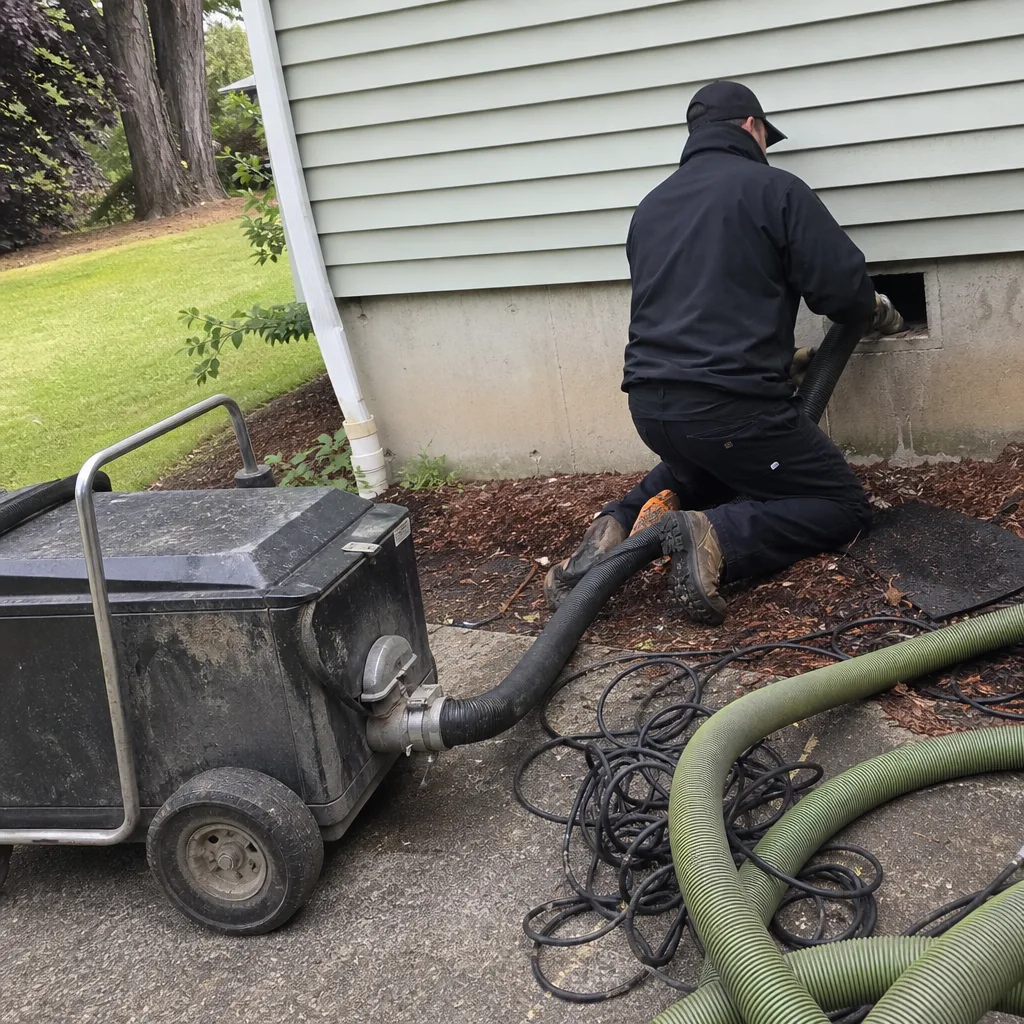 Before
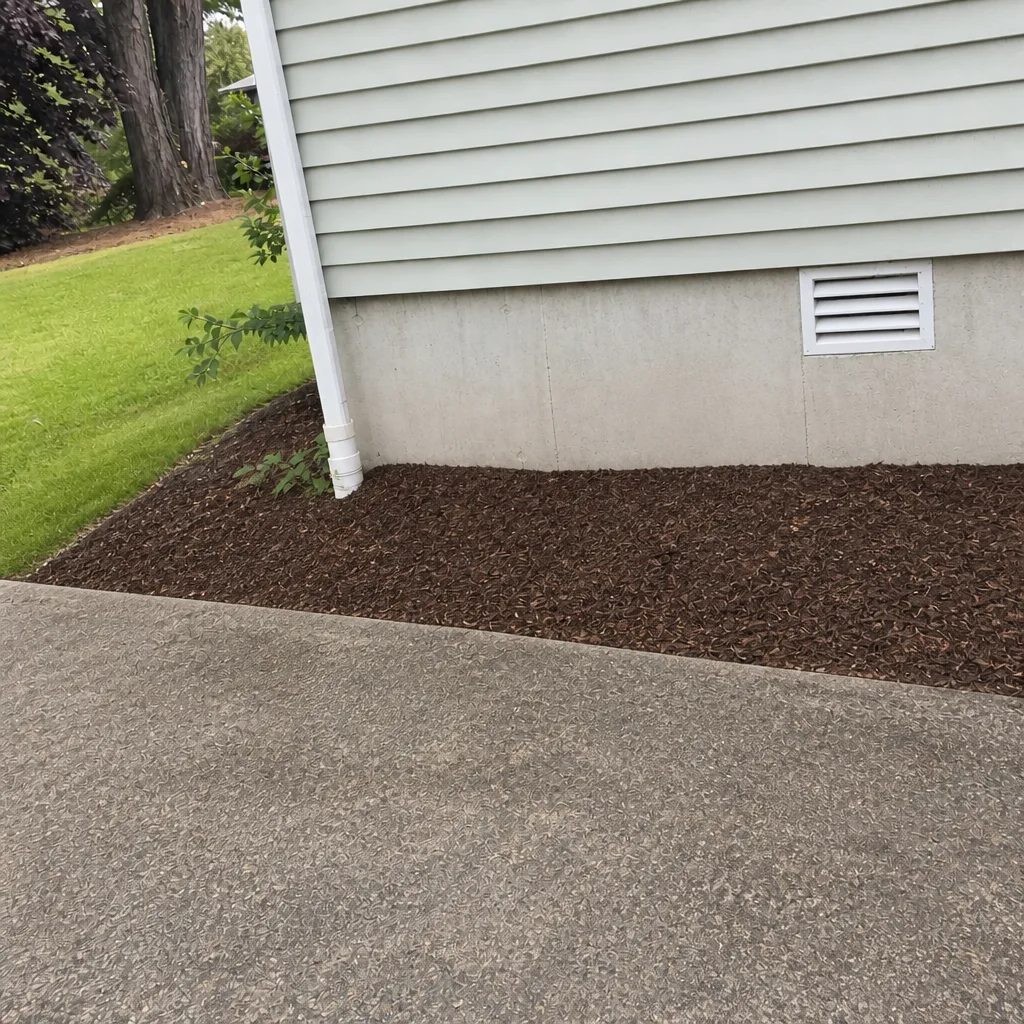 After