
Last updated November 25, 2026
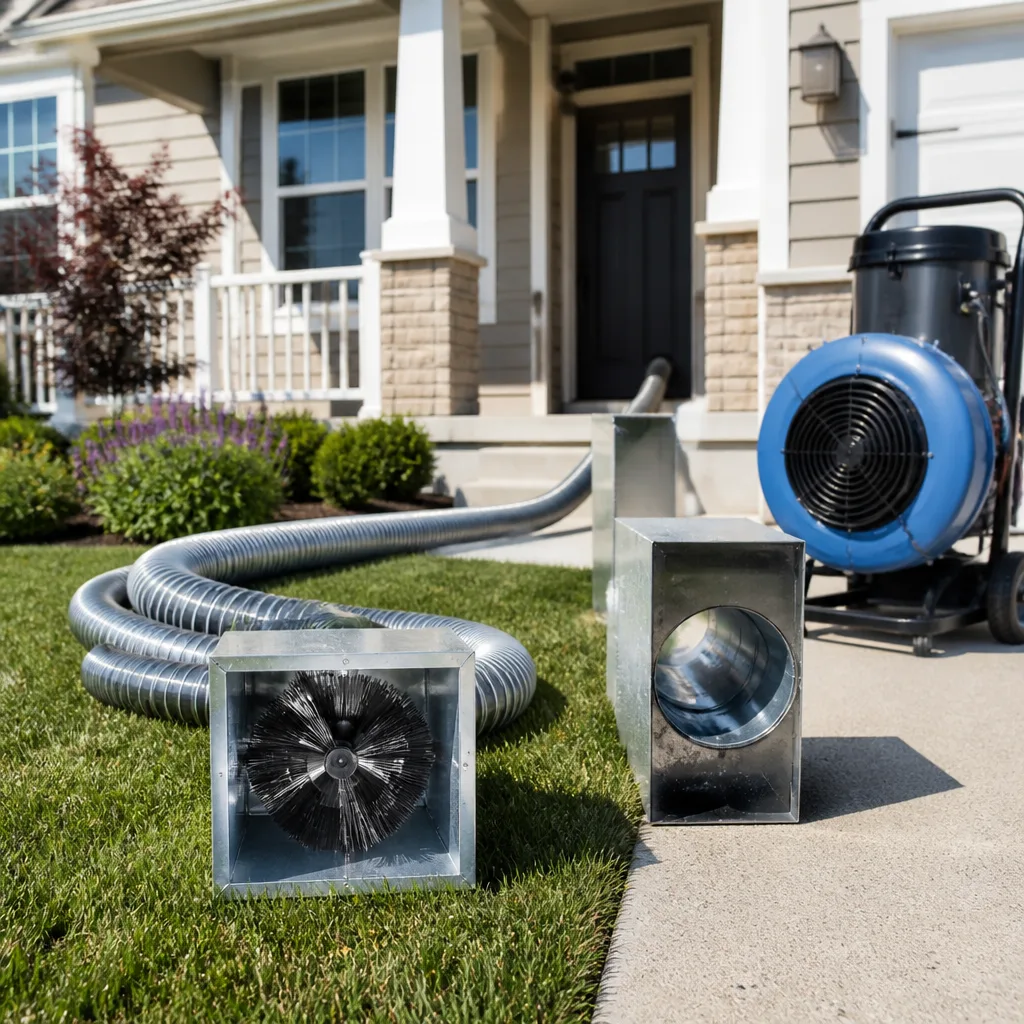 Whole-home duct cleaning
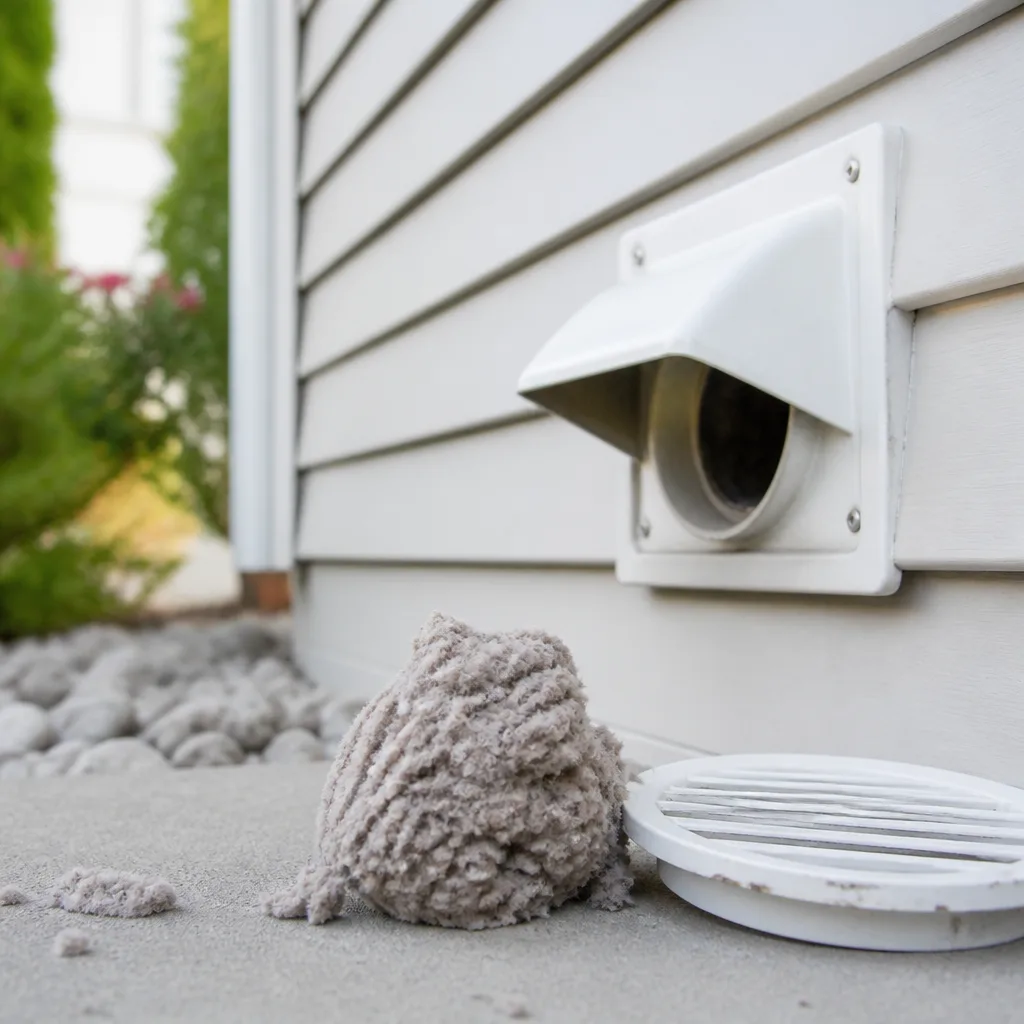 Dryer vent cleaning
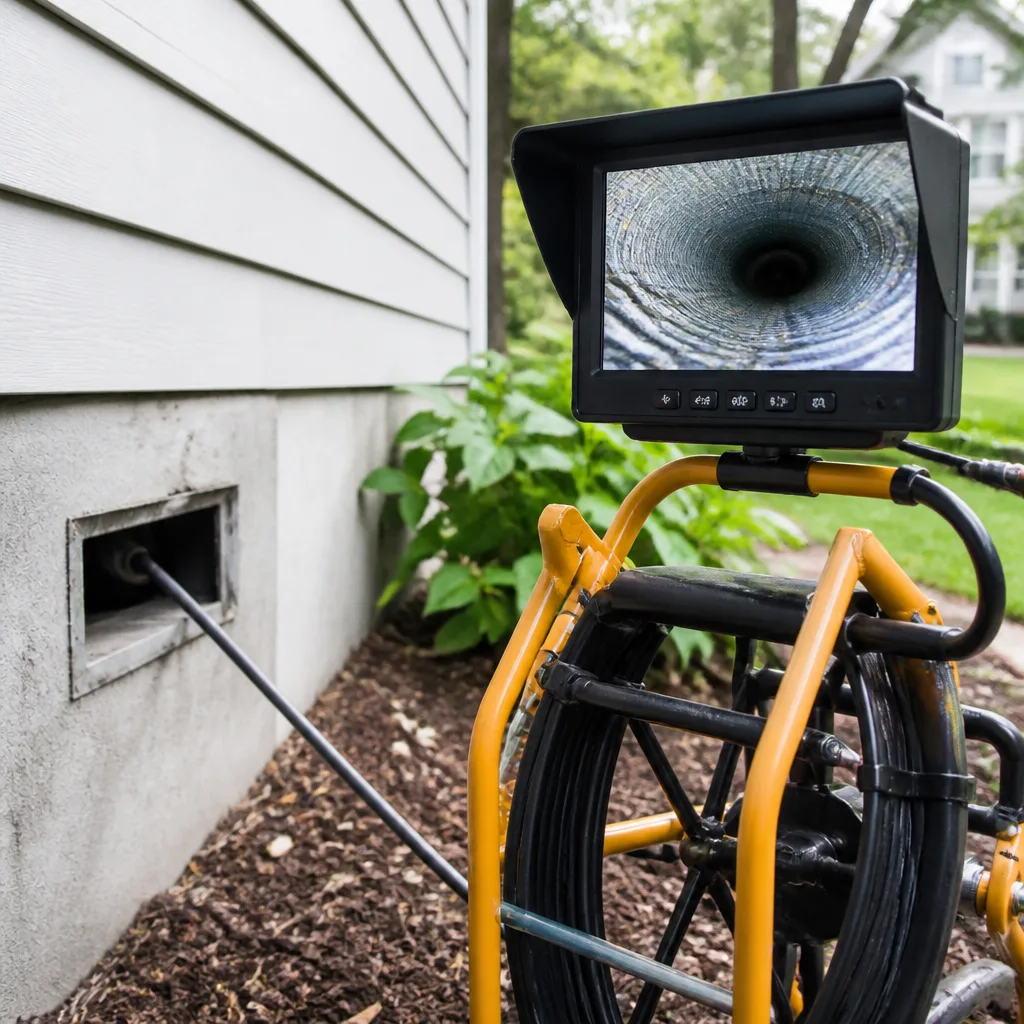 Camera inspection
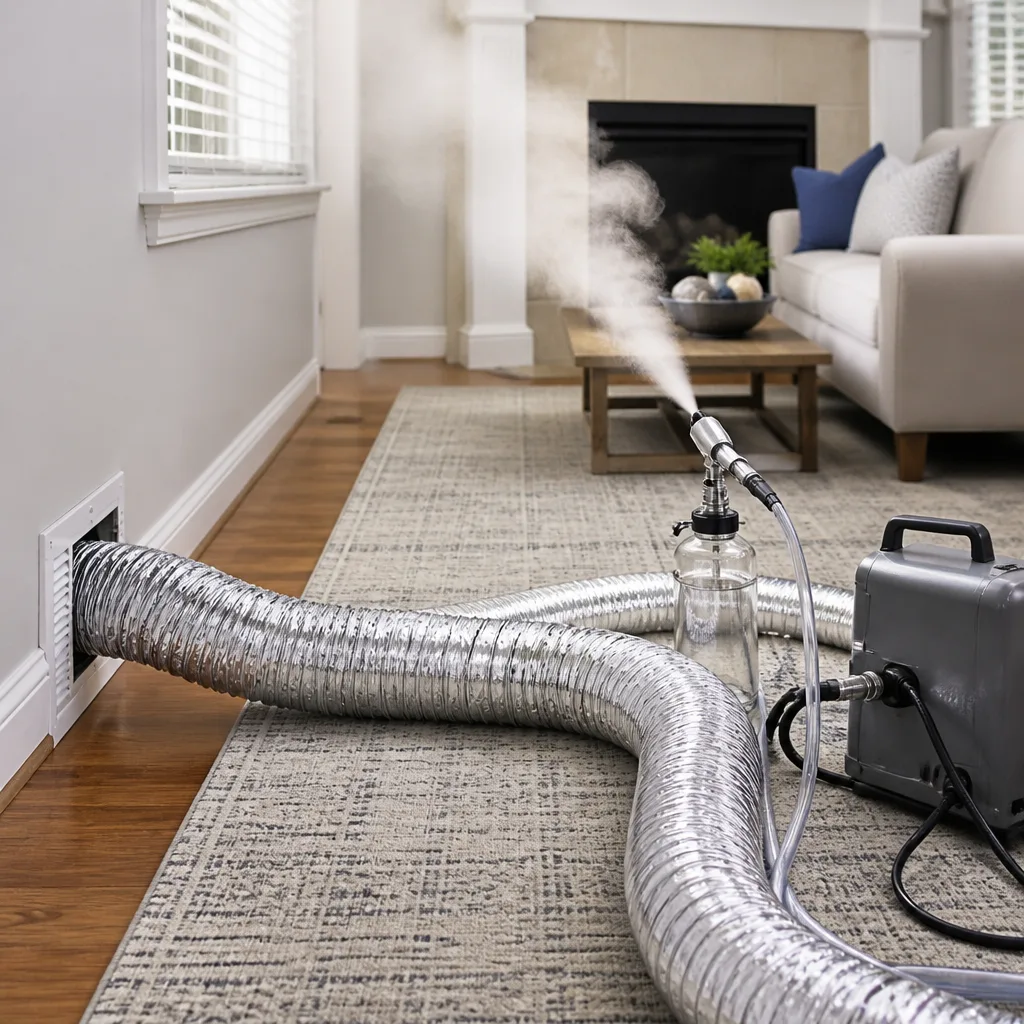 Sanitizing & deodorizing
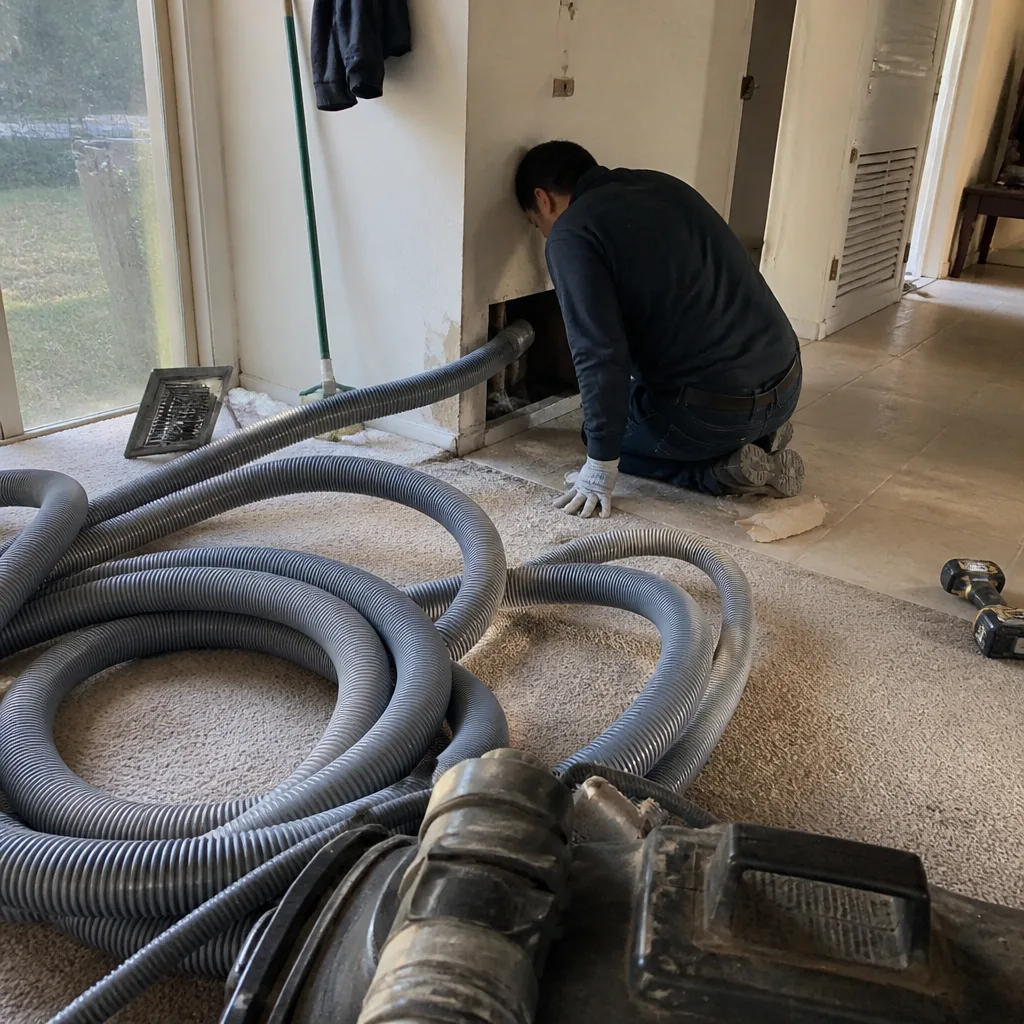
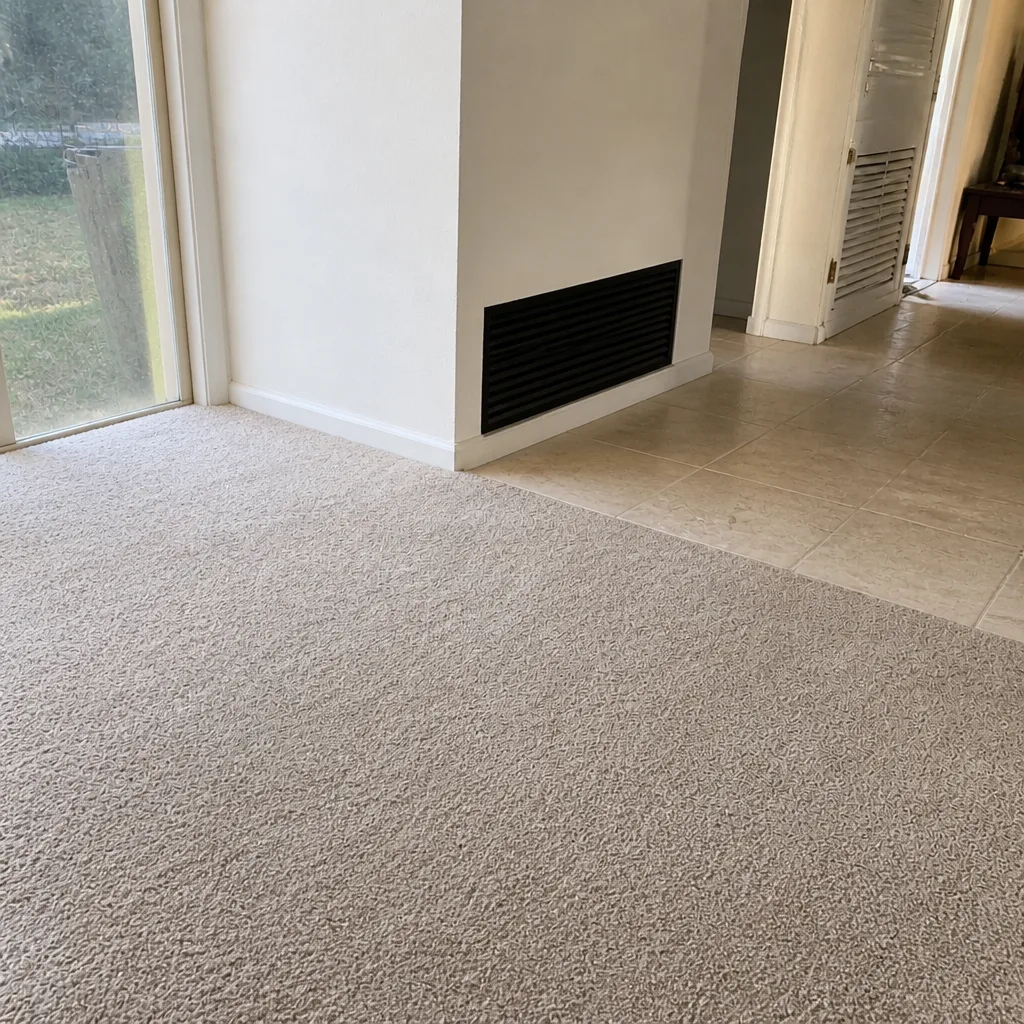
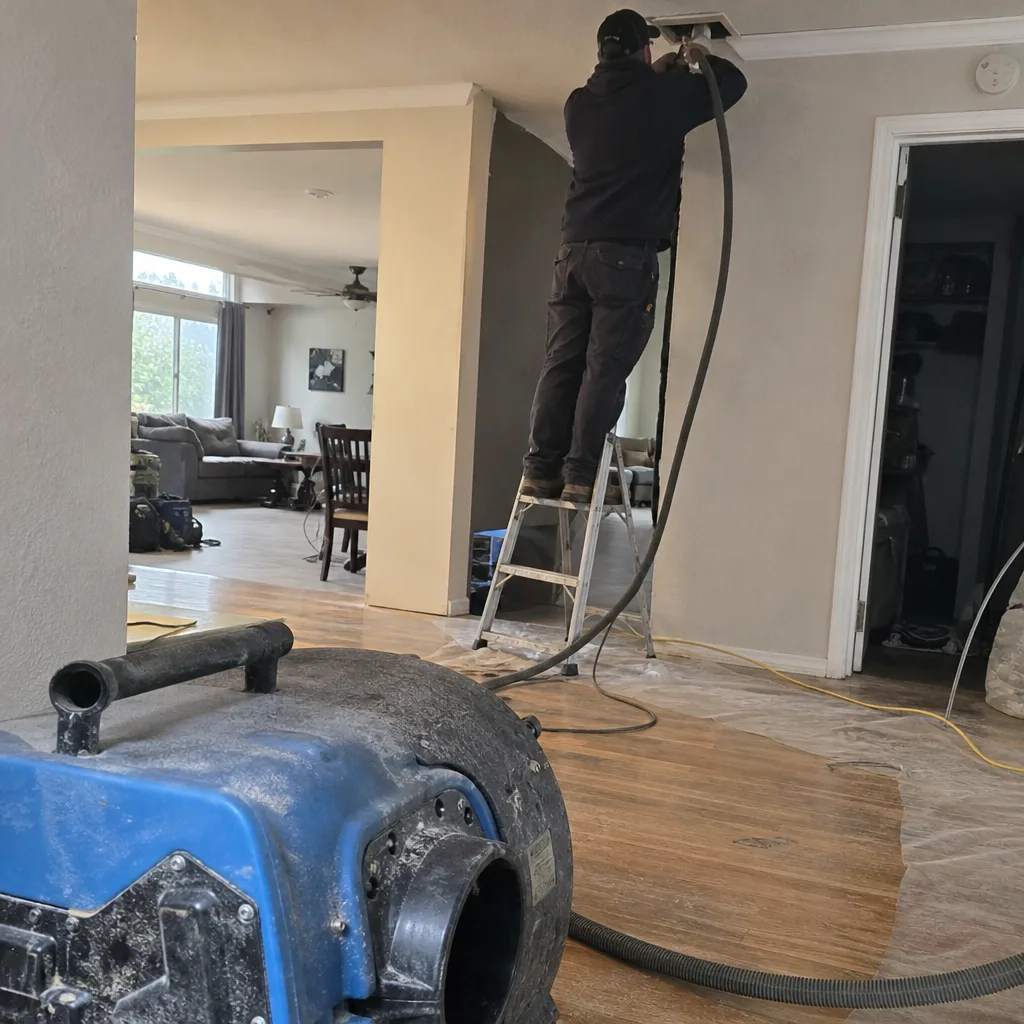
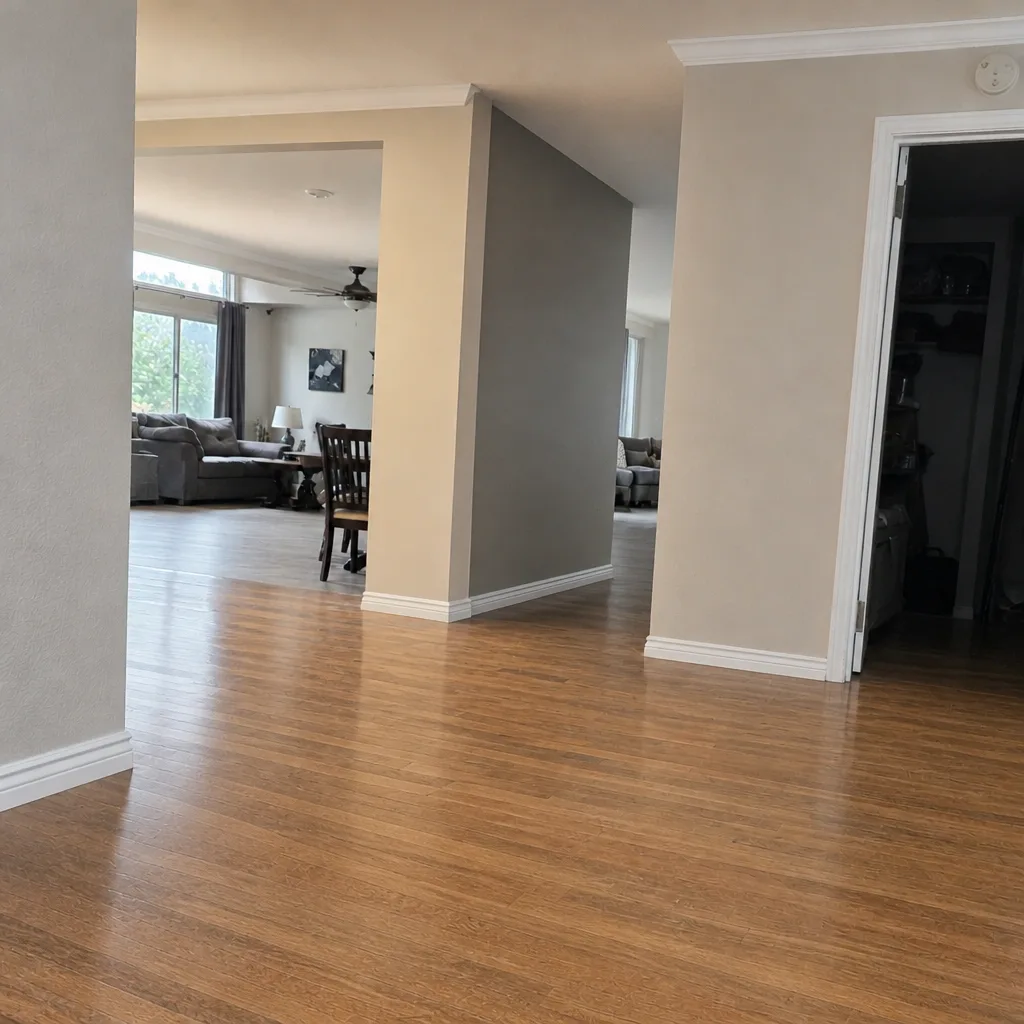
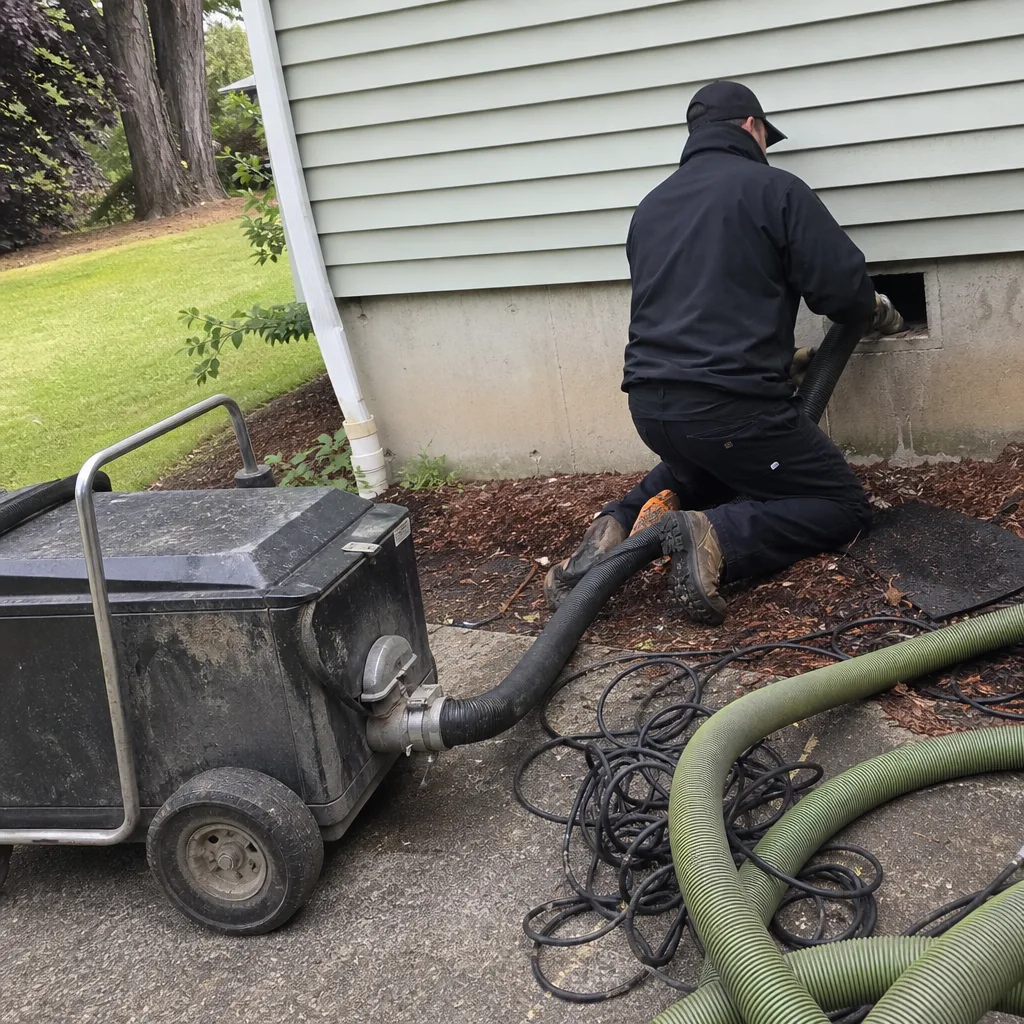
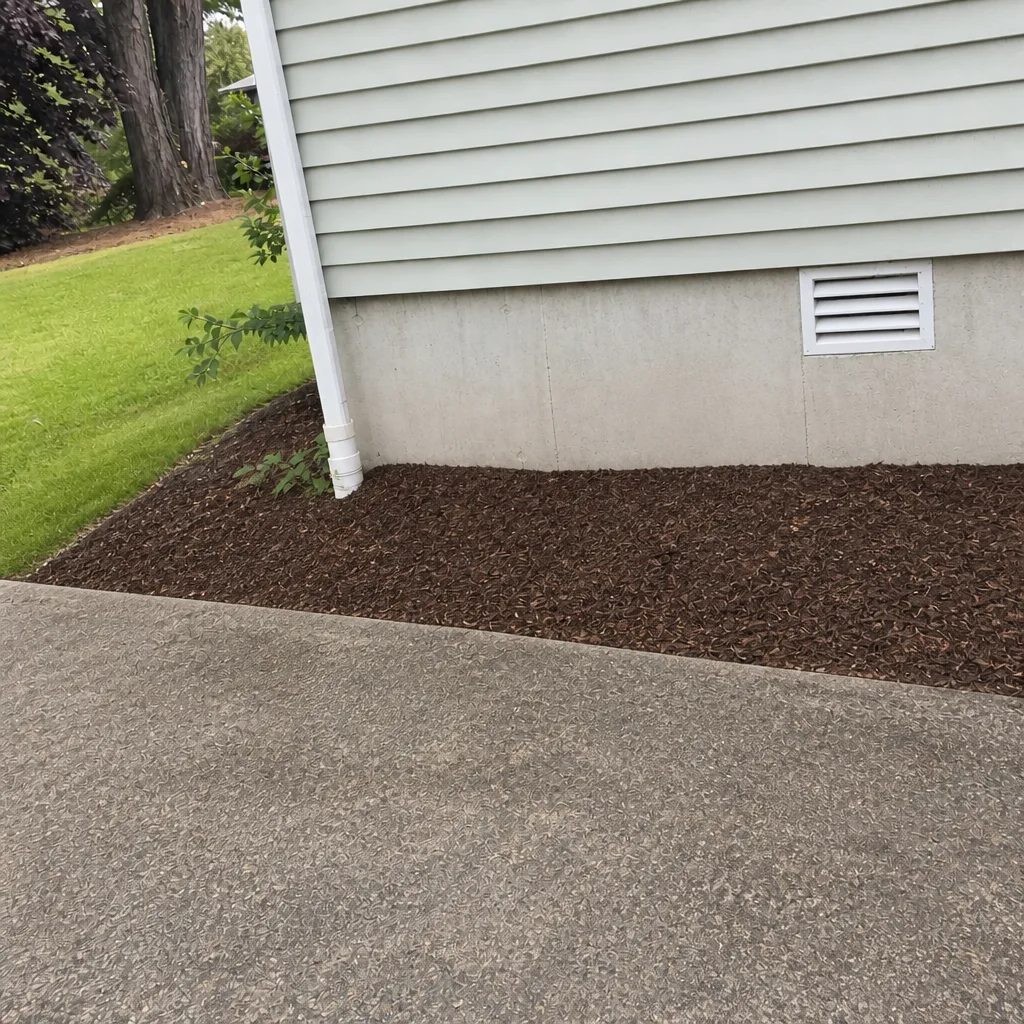
Whole-system duct and dryer vent check with before-and-after photos - you see exactly what came out of your vents
That "$99 whole-house special" is a bait ad - the real number appears once they are in your hallway, or the "clean" is a shop-vac at the register. We photograph the inside of your ducts before and after instead.
Air Duct Cleaning Emergency Preparedness Guide for Federal Way Homes
Most people think an air quality emergency starts with dirty ducts. In our experience, it starts before that – with a fast, unprepared reaction to something outside the ducts entirely. When wildfire smoke settles over the Puget Sound basin, or a crawl space takes on water after a long stretch of rain, the duct system doesn’t cause the problem. It just becomes the delivery method. The homeowners who come through these events with clean air and an intact system are rarely the ones who scrambled. They’re the ones who knew which switch to flip, which filter rating actually helps, and which questions to ask before a technician arrives. This guide walks through the three scenarios that matter most in Federal Way – smoke events, water intrusion, and HVAC failure – and gives you a plan you can act on before the next one arrives.
Quick Answer
Preparedness for a duct-related air quality emergency in Federal Way comes down to three moves: know how to shut your forced-air system down so it stops pulling smoke or debris inside, check that your filter’s rating is genuinely suited to wildfire smoke, and document your duct and HVAC condition with photos before anything happens so a later damage claim is easy to support. After a flood or a mechanical failure, the clock matters more than usual – contamination that reaches the ducts needs a proper assessment rather than a quick vacuum.
Styles & brands we work with
- Whole-home duct cleaning
- Dryer vent cleaning
- Camera inspection
- Sanitizing & deodorizing
Table of Contents
- Wildfire Smoke: When to Shut Your System Down
- Verifying Your Filter Rating Before Smoke Season
- Post-Flooding Duct Response and the Contamination Timeline
- HVAC Failures That Contaminate the Duct System
- Documenting Baseline Condition Before an Event
- Who to Call in Federal Way and What to Tell Them
- What Professional Recovery Looks Like
- Common Mistakes to Avoid
Wildfire Smoke: When to Shut Your System Down
The single most common mistake during a smoke event is leaving a forced-air system running on its normal schedule. A typical furnace or air handler pulls return air from the living space, passes it through a filter, conditions it, and pushes it back out. That’s fine when outdoor air is clean. During a Western Washington smoke event – and these have become a regular late-summer feature in the Federal Way area – the problem is that your system keeps circulating whatever has already leaked in and can pull more in through gaps in the return path, weatherstripping, and any infiltration points.
Here’s the protocol we recommend homeowners follow when regional air quality tanks:
- Switch the system to fan-off or recirculation only. Turn off the continuous fan setting so the blower only runs during an actual heating or cooling call, not around the clock. If your thermostat has a “circulate” mode, set it to zero or the lowest percentage.
- Close the fresh-air intake if you have one. Many newer systems include a ducted outdoor air intake for ventilation. If yours does, close the damper for the duration of the event.
- Seal the obvious leaks. Gaps around the outdoor condenser line set, an unsealed filter slot, and open return grilles in unused rooms all give smoke a path in. Temporary tape and a clean rag in an unused return can help.
- Use a portable air cleaner in the room you spend the most time in. This works alongside your HVAC system, not instead of it.
- Keep the filter in place and note the date. You’ll want to know how long it ran during the event when you decide whether post-event cleaning is warranted.
When smoke clears, don’t assume the system is fine. Smoke carries fine particulates and a distinct odor that settles into duct liners, filter housings, and the blower compartment. If you can still smell smoke indoors two or three days after outdoor air returns to normal, that’s your signal to have the system inspected.
Verifying Your Filter Rating Before Smoke Season
Filter marketing creates a lot of confusion in Federal Way, so let’s be plain about it. The number on the filter – the MERV rating – describes how well it captures particles in a certain size range. Higher isn’t automatically better for your system. A filter that’s too restrictive can strain a blower motor that wasn’t designed for the added static pressure, and that’s a real risk in older Federal Way homes where the duct system may already be undersized for the equipment it serves.
A few practical guidelines we give homeowners:
- Know your system’s limit. Check the furnace or air handler manual for the maximum MERV rating it’s rated to handle. If you can’t find it, a technician can measure static pressure to tell you what your system can tolerate.
- Upgrade for the event, not permanently, if your system can’t take it. A higher-rated filter used temporarily during a smoke event is a reasonable move; a permanently installed filter your blower can’t handle is not.
- Change the filter after the event. A filter that caught a smoke load is doing its job and is now spent. Replace it once conditions clear.
- Don’t rely on a filter alone for odor. Odor from smoke comes from gases, not just particles. Filtration handles particles; a carbon layer or separate air cleaning approach handles some gases. That’s where product integration matters – Aprilaire and Honeywell both make media and air cleaning components that pair with existing ductwork, and installing them during a cleaning visit keeps you from scheduling a separate contractor.
If your filter slot is unsealed or your housing doesn’t hold the filter snugly, the filter is bypassing air and doing far less than its rating suggests. That’s a small fix with a real effect. We check filter fit on every air duct cleaning visit for exactly that reason.
Post-Flooding Duct Response and the Contamination Timeline
Federal Way’s rainy season does more interior damage than most homeowners expect, and the part that surprises people is where the water ends up. A crawl space that takes on standing water after prolonged rain, a failed sump, or a burst supply line all create the same setup: high humidity in the crawl space, and return ductwork that runs through it. Return ducts operate under negative pressure, which means small gaps draw air in rather than pushing it out. Wet crawl space air gets pulled into the return and distributed through the house.
The contamination timeline matters, and it moves faster than most people think:
- First 24-48 hours: water is present, humidity in the crawl space climbs, and porous materials begin absorbing moisture. Mechanical drying is the priority.
- Days 3 to 10: if the space stays damp, microbial growth becomes likely on organic material – including the paper backing on some duct board, fiberglass insulation facing, and dust that has accumulated inside duct runs.
- Beyond two weeks: ductwork that stayed wet or in a damp crawl space without drying needs to be assessed, not just cleaned. Cleaning a damp duct system without addressing the moisture source makes the situation worse.
The right response after a flood event: dry the crawl space first, verify the moisture is genuinely down, then inspect the duct system. If the internal duct surfaces or insulation took on water, the affected sections may need repair or replacement rather than cleaning. This is where a full-scope approach matters – the same team that assesses the contamination should be able to seal and repair the ductwork so it doesn’t keep pulling moist air from the crawl space afterward.
HVAC Failures That Contaminate the Duct System
Not every air quality emergency comes through the front door. Sometimes the contamination is generated inside the system itself. Two failures do most of the damage.
Blower Motor Burnout
When a blower motor fails, it can overheat before it stops. That heat, plus the breakdown of internal lubricants and windings, sends burned particles and a persistent burnt or electrical odor through the duct system. The motor might get replaced and the system brought back online, but the odor and residue stay in the duct liners and blower compartment. Anyone running the fan afterward is circulating that residue through the house. A proper recovery involves cleaning the air handler and duct system, not just swapping the motor.
Heat Exchanger Cracks
A cracked heat exchanger is a safety issue, not just a cleaning problem. Combustion gases can enter the air stream. This is a genuine danger and belongs in trained hands – shut the system down, call a qualified HVAC technician for the heat exchanger itself, and do not run the blower in an attempt to “clear it out.” Once the heat exchanger or furnace has been addressed by a licensed HVAC professional, the duct system should be inspected for soot or debris before normal operation resumes. In our experience, homeowners often skip this step and then wonder why the house smells wrong months later.
Both failures are reasons to include the air handler and ductwork in routine service rather than treating HVAC cleaning as a someday task. A system that’s been serviced recently is easier to diagnose when something goes wrong.
Documenting Baseline Condition Before an Event
This is the step almost nobody does, and it’s the one that matters most when you’re filing an insurance claim after a smoke event or flood. The principle is simple: you can’t prove a change if you never recorded the starting point.
What to photograph, and how:
- The air handler and filter housing. Open the access panel (power off at the breaker first), take a photo of the blower compartment and filter slot, and note the date.
- A sample of accessible supply and return grilles. Photograph the inside of a few registers with a flashlight. This shows baseline dust and any existing staining.
- The crawl space where return ducts run. Photograph the duct runs and the floor condition. If a flood happens later, you have proof of pre-existing condition.
- Any visible duct connections, joints, or taped seals. This is where leaks show up after a pressure event or a mechanical failure.
- Filter receipts and dates. A folder of filter change dates is surprisingly useful when an adjuster asks how the system was maintained.
Store the photos with a date stamp in the cloud. If you ever need a claim supported, the sequence from “before” to “after” does most of the work. This is also why we photograph before-and-after the ducts on every job – documentation is part of the service, not an add-on.
Who to Call in Federal Way and What to Tell Them
When something has already happened, the way you describe the situation determines whether the right equipment shows up. A shop-vac crew and a professional extraction and filtration setup solve different problems. Here’s how to frame the call so you get the right response.
- Name the event. “We had a smoke event in August and the house still smells” is a different job than “our crawl space flooded and the return ducts were submerged.” Say it directly.
- Describe what’s coming out of the vents. Visible soot, a persistent odor, moisture, or dust. Each points to a different cleaning approach.
- Note the HVAC status. Is the system running normally, short-cycling, or off entirely? Did a motor fail? Has a heat exchanger been inspected?
- Say what’s already been done. If you dried the crawl space, replaced the filter, or had a technician out for the furnace, mention it. It saves time.
- Names of the equipment you’re hoping to see. If you want professional-grade cleaning, you’re looking for a team that uses systems like Rotobrush or Nikro, not consumer vacuum equipment. Asking directly is fair.
In Federal Way, call (833) 482-6220. We answer 24/7. Fast dispatch from 7am to 7pm, Sunday through Friday. Tell us the event, the symptoms, and the system status, and we’ll tell you what the assessment involves and what equipment comes out. Estimates are free.
What Professional Recovery Looks Like
Once an event has passed, the recovery process is where the difference between a real clean and a cosmetic one shows up. Here’s what a proper post-event service involves, and what to expect at each stage.
First, an assessment. Before anything is cleaned, we identify the contamination source – was it smoke, water, or a mechanical failure – because each requires a different approach. A system that flooded needs the moisture addressed before cleaning. A system that took on smoke needs filter replacement and inspection of the blower compartment and duct liners.
Then, containment and extraction. Professional cleaning uses negative pressure and high-volume extraction. This is where Federal Way Air Duct Cleaning leans on Abatement Technologies filtration equipment – the same class of equipment used in professional mold and contaminant abatement – so that dislodged contaminants are captured rather than recirculated into the living space during the job. Source removal uses a Rotobrush rotary brush system to agitate and lift the contaminant from duct surfaces, followed by extraction.
Next, repair and sealing. Cleaning without sealing the leaks that let contaminants in means the system gets dirty again. We close gaps at joints, connections, and the air handler so the clean result holds. This is the part many duct-only services skip.
Finally, sanitizing where warranted. After mechanical cleaning, a sanitizing treatment can neutralize biological contaminants that survive in the system. We only recommend it after the cleaning is complete, not as a substitute for mechanical removal. If a system upgrade makes sense – a higher-capacity filter housing, an Aprilaire media cabinet, or a Guardsman component fitted to the ductwork – it can typically be handled during the same visit.
Common Mistakes to Avoid
- Running the continuous fan during a smoke event. A furnace set to run the fan around the clock keeps pulling air through a system that’s already been exposed. Turn the fan off and run it only on a heating or cooling call.
- Skipping the crawl space after a flood. Federal Way homes with return ducts in the crawl space are especially vulnerable. If water was present, dry the crawl space before anyone cleans the ducts – cleaning a damp system makes the moisture problem worse.
- Assuming a filter change is a duct cleaning. A new filter catches what passes through it. It doesn’t remove contamination already settled in the ducts. If you had a smoke event or a motor failure, an inspection is a separate step.
- Not photographing anything before the event. When an adjuster asks about pre-existing condition, photos from before the incident carry more weight than anything taken afterward. Take them now, before something happens.
- Ignoring an odor that lingers after the smoke clears. A faint smokey smell two weeks after outdoor air quality returns to normal usually means the residue is still in the system. It doesn’t fade on its own.
- Letting a heat exchanger crack get “cleared out” by running the blower. It’s a safety issue. Shut the system down and call a qualified HVAC technician. Cleaning the ducts comes after the heat exchanger is addressed.
- Hiring on a per-vent price and nothing else. A very low per-vent quote usually means less equipment, less time, and no repair work. Ask what equipment is used and whether sealing is included.
See the difference
 Before
 After
 Before
 After
 Before
 After
When to Call a Professional
Some situations are worth a call the same day, others can wait for a scheduled estimate. Call us when: your home has taken on water that reached a crawl space or ductwork; there’s a persistent burnt or smokey odor in the house after an HVAC failure or a smoke event; you’ve noticed visible debris, soot, or staining inside supply or return grilles; or your system is short-cycling or airflow has dropped noticeably at the vents. For the routine side – the once-every-few-years cleaning that keeps the system in good shape – a scheduled appointment is fine. What you don’t want to do is wait when there’s been an actual event. Call (833) 482-6220. We answer 24/7. Fast dispatch from 7am to 7pm, Sunday through Friday. Estimates are free.
Frequently Asked Questions
Yes. Switch the system to fan-off or recirculation mode and close any outdoor fresh-air intake so the blower stops pulling smoke into the house. Keep a filter in place, run a portable air cleaner in your main room, and note the date so you know how long the system ran during the event. Call (833) 482-6220 for an exact quote if you’re not sure whether post-event cleaning is warranted – estimates are free.
As soon as the crawl space or duct area has been dried and moisture levels are confirmed to be down – usually within the first week or two after standing water is removed. Cleaning a duct system while the crawl space is still damp tends to make the problem worse. If you’re uncertain, call us for an assessment.
For a typical single-family home in the Federal Way area, professional whole-system duct cleaning usually falls in the range you’d expect for a system of that size, and the written estimate sets the final price – we agree one flat price per system before any work starts. We don’t quote per-vent prices and we don’t use coupon pricing that grows once a technician is on site. Call (833) 482-6220 for a free estimate.
Usually less equipment, less time, and no repair. Per-vent pricing encourages quick surface work with consumer-grade vacuums. Our process uses Rotobrush rotary brush systems and Nikro equipment, and we do repair and sealing as part of the scope so the system stays clean. A low quote and a thorough one aren’t measuring the same thing. Call (833) 482-6220 for an honest whole-system estimate.
We photograph the ducts before and after, and we’re happy to share the images with you when the job is finished. Ask any company you hire whether they document the work – if a company can’t show you what changed, you’re relying on their word. Call (833) 482-6220 with any questions – estimates are free.
For most Federal Way homes, every three to five years is a reasonable interval if there haven’t been any events. After a wildfire smoke event, a flood, or a major HVAC failure, the timeline changes – an inspection is warranted regardless of how recently the system was cleaned. Call (833) 482-6220 for guidance on your specific situation – estimates are free.
The Bottom Line
The three scenarios in this guide – wildfire smoke, flooding, and HVAC failure – all turn a normal duct system into an urgent situation. What separates the homeowners who come through them well from the ones who don’t is almost always preparation. Know how to shut your system down during a smoke event. Dry the crawl space before anyone cleans the ducts. Shut the furnace off if a heat exchanger cracks. Photograph the system before anything happens so a claim is easy to support. And when you do call, name the event, describe what’s coming out of the vents, and ask what equipment shows up. That’s the plan. Written by the team at Federal Way Air Duct Cleaning.
For a free estimate in Federal Way, call (833) 482-6220. We answer 24/7. Fast dispatch from 7am to 7pm, Sunday through Friday. If a door or vent fails outside dispatch hours, call us and we’ll book you into the next opening – Sunday through Friday, 7am to 7pm. If you’re already planning ahead, our dryer vent cleaning service is worth folding into the same visit, since a clogged dryer vent is another emergency you can prevent rather than react to.
Written by the team at Federal Way Air Duct Cleaning.