
Last updated November 25, 2026
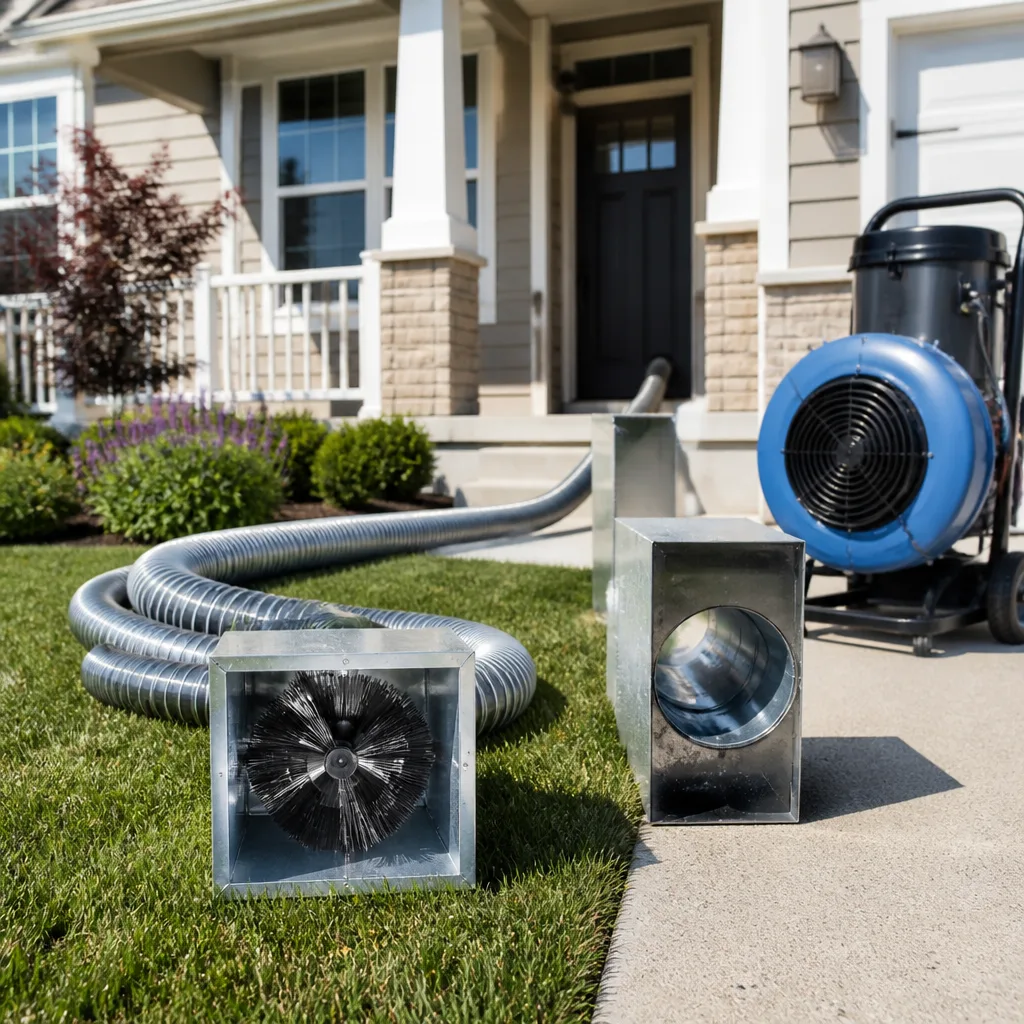 Whole-home duct cleaning
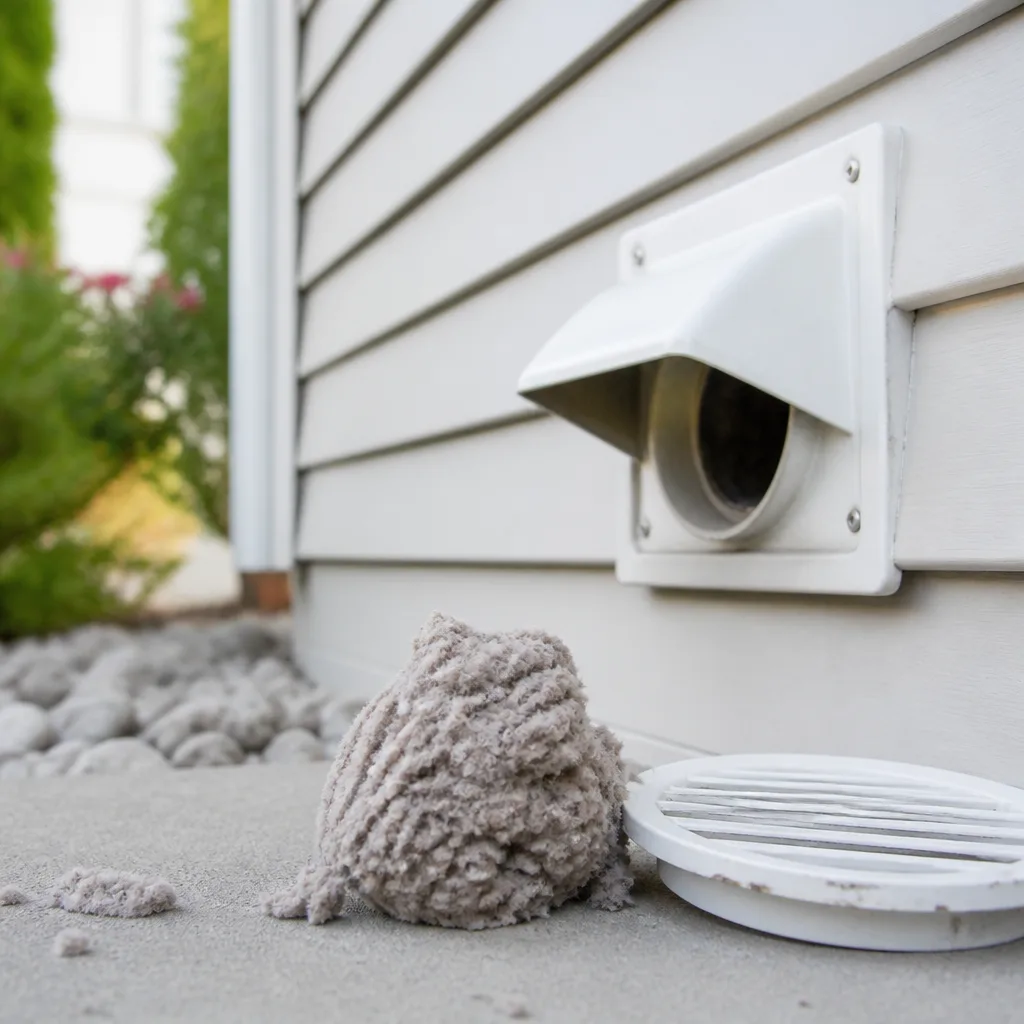 Dryer vent cleaning
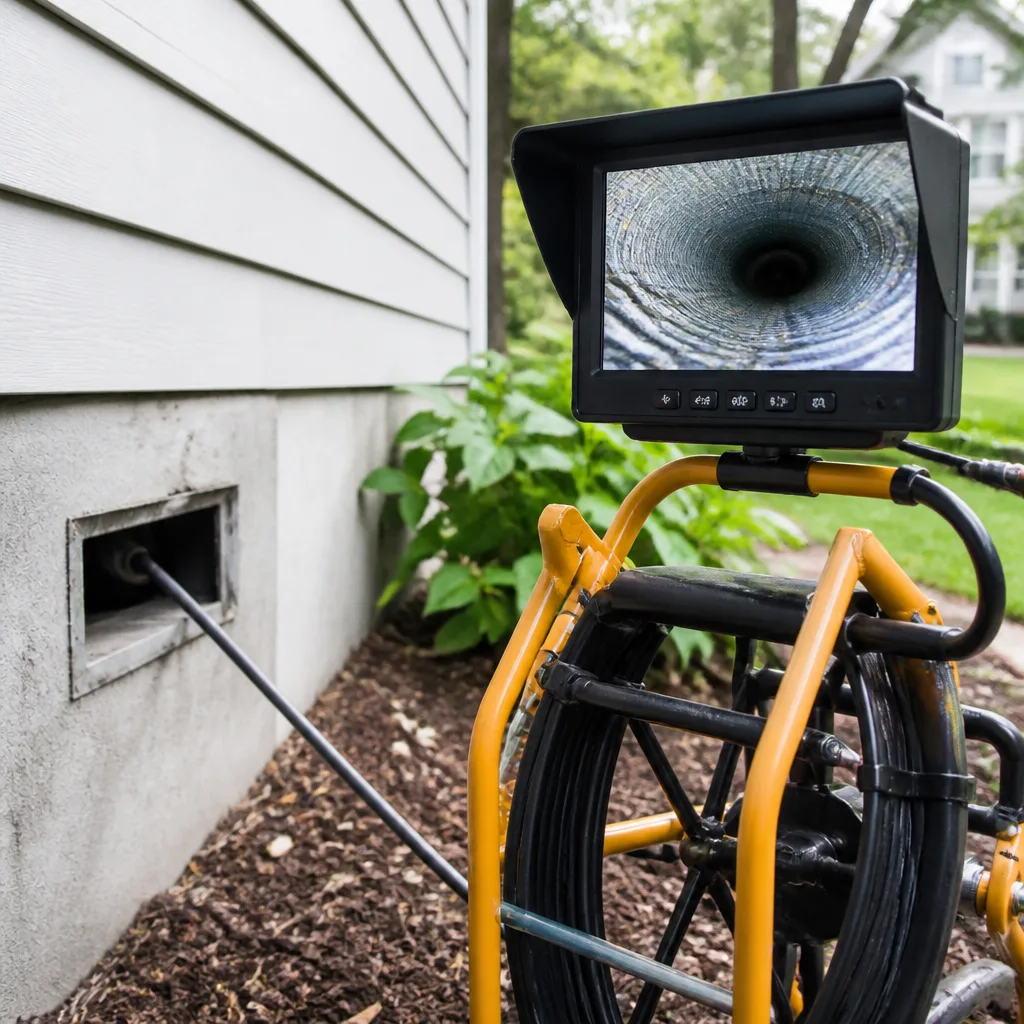 Camera inspection
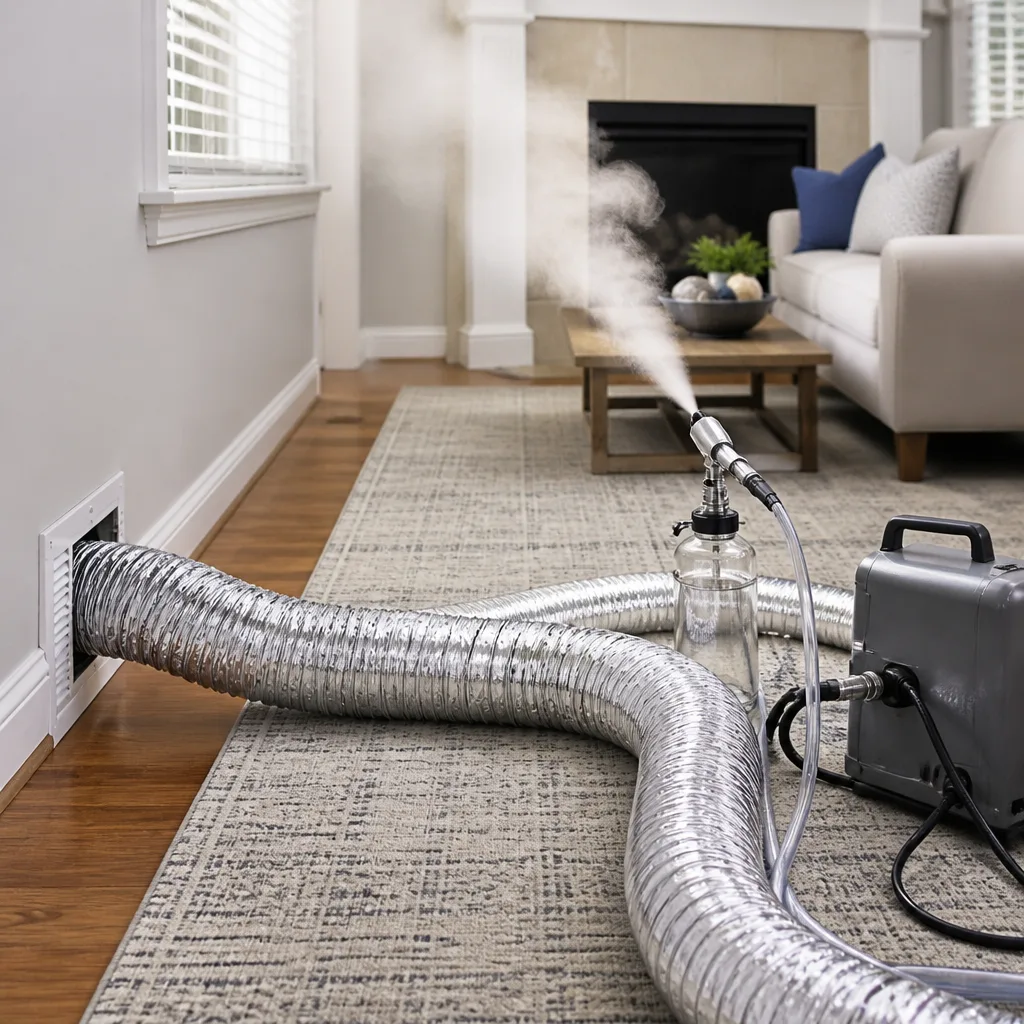 Sanitizing & deodorizing
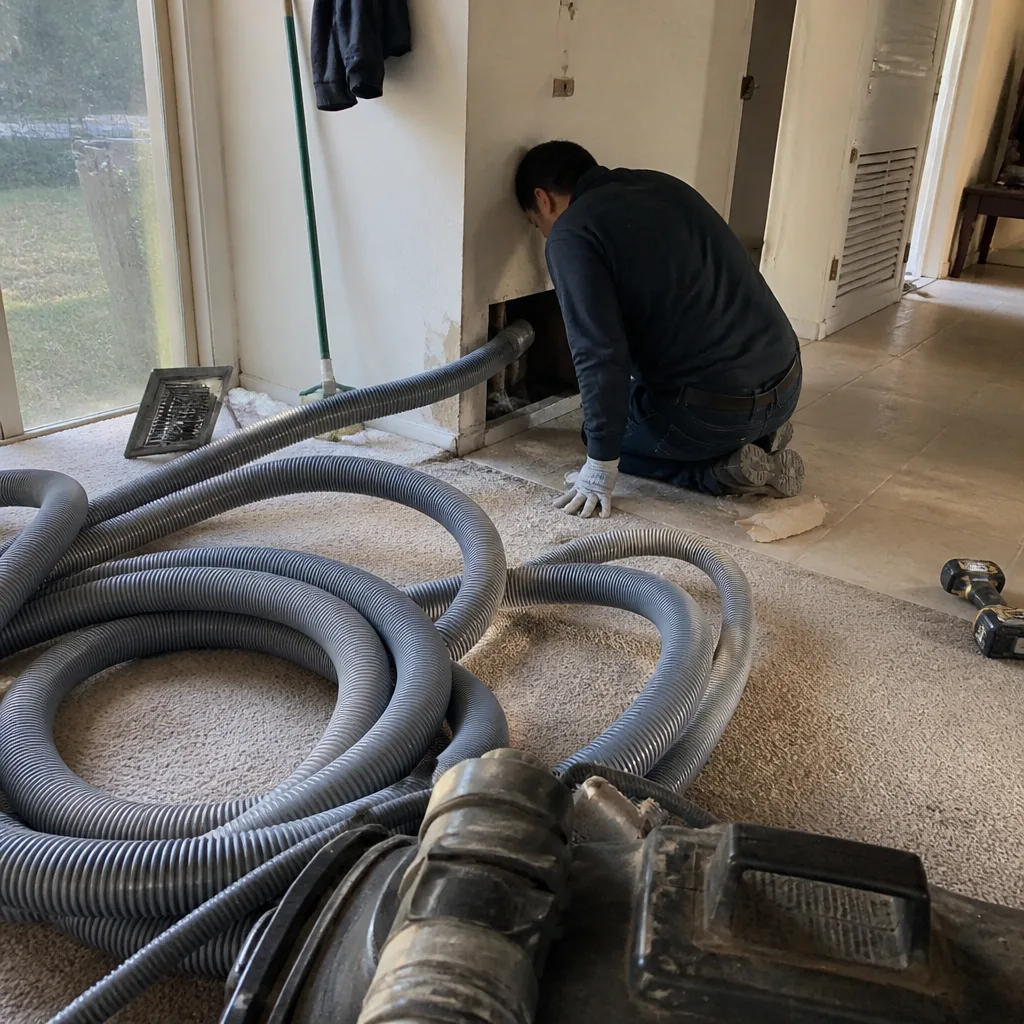
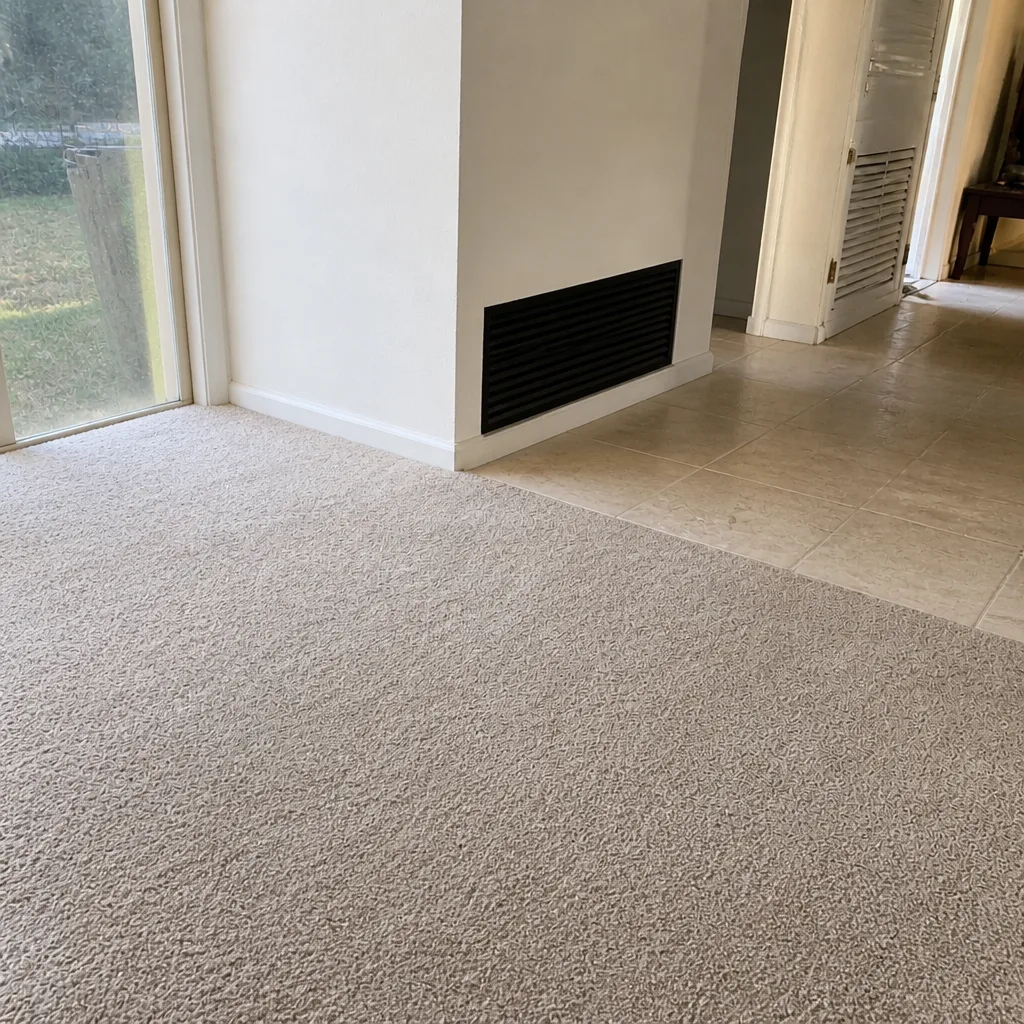
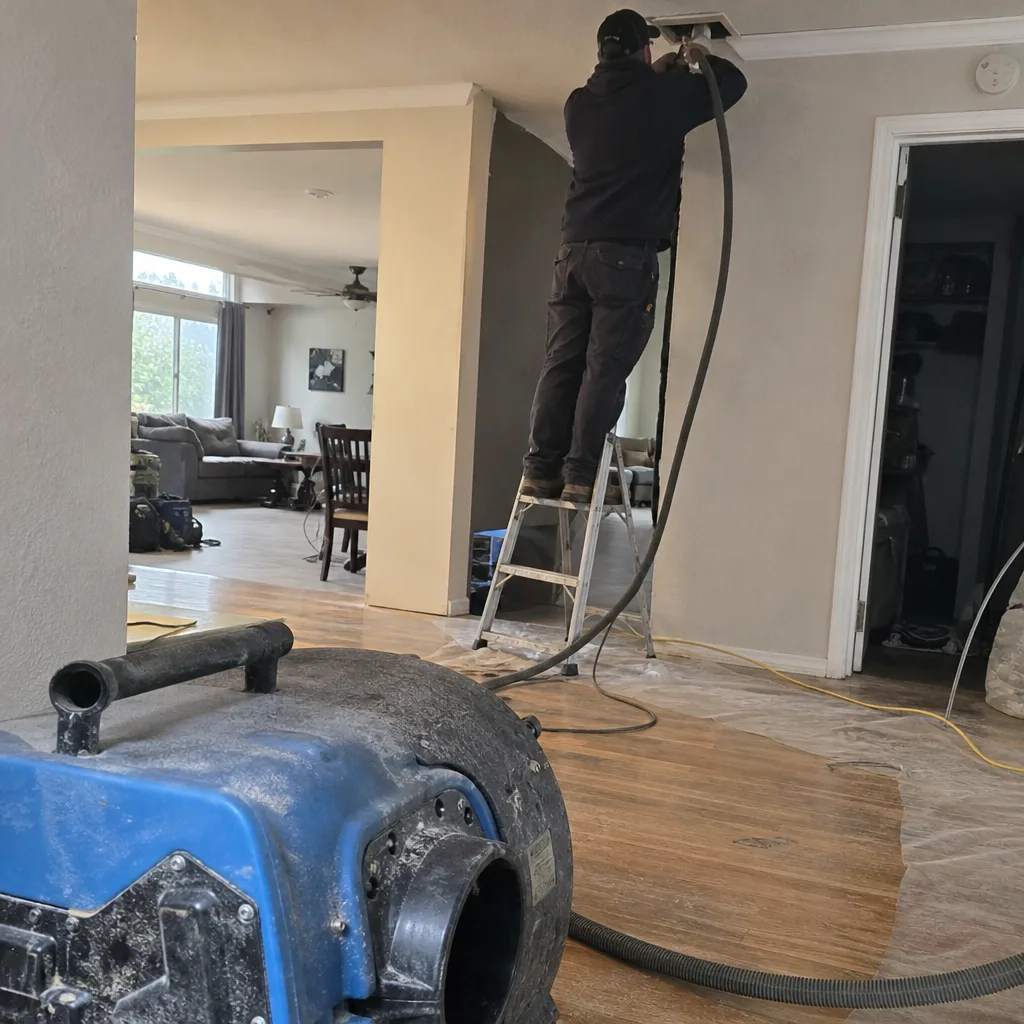
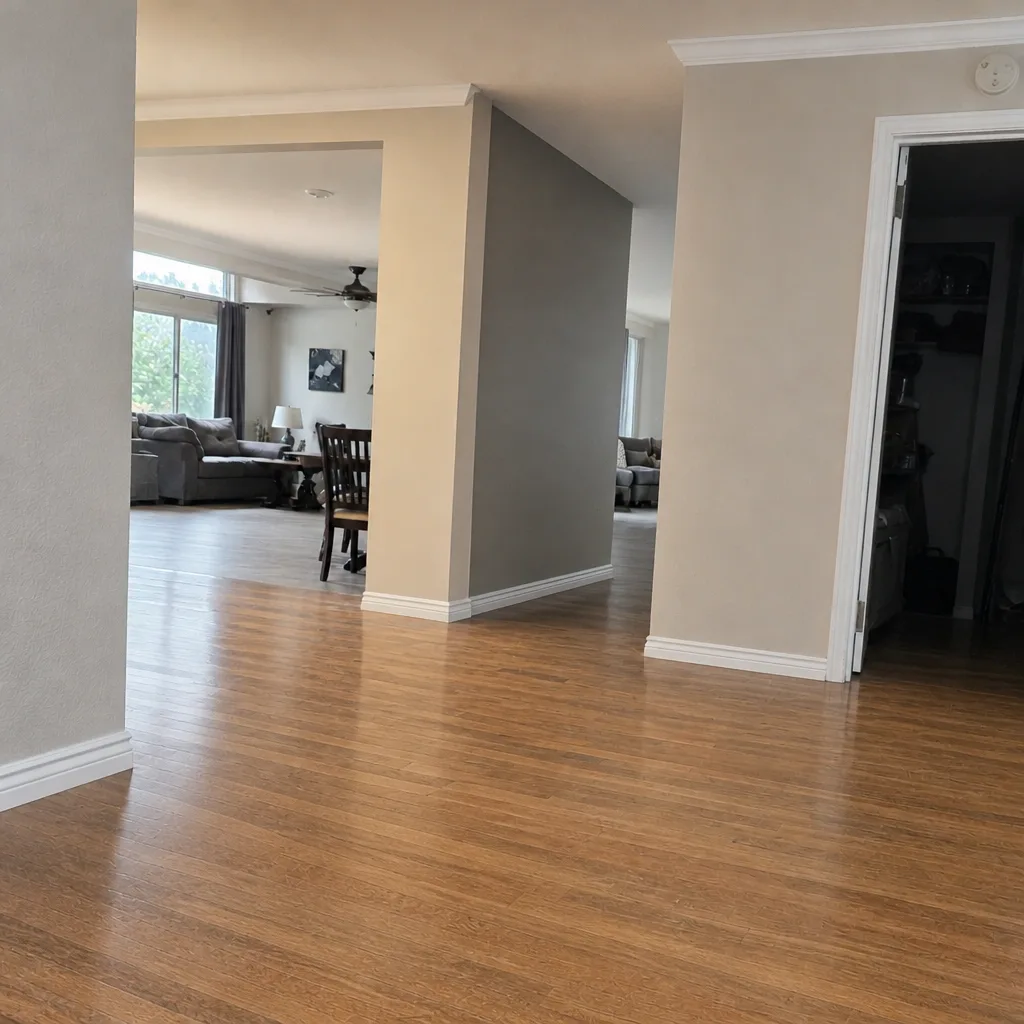
Whole-system duct and dryer vent check with before-and-after photos - you see exactly what came out of your vents
That "$99 whole-house special" is a bait ad - the real number appears once they are in your hallway, or the "clean" is a shop-vac at the register. We photograph the inside of your ducts before and after instead.
Air Duct Cleaning Cost Breakdown: The Federal Way Homeowner’s Reference for 2026
Two quotes for the same Federal Way house can land $600 apart, and neither contractor is necessarily lying. A $149 special and a $750 quote are usually for different services. One is a surface pass with a shop vac and a hose; the other is a full-system mechanical clean with rotary equipment, negative pressure, and a scope that includes the air handler and returns. The trouble is that few contractors explain which one you’re buying, and by the time you’ve authorized the work it’s too late to ask. This guide breaks down what actually drives cost in Federal Way, what should never be added mid-job, and how to compare two quotes line by line before you sign anything.
Quick Answer
Air duct cleaning in Federal Way typically runs $350 to $700 for a standard single-family home in 2026, with larger homes and multi-system layouts reaching $800 to $1,000 or more. The price depends on duct linear footage, the number of supply and return boots, the duct material (flex, sheet metal, or fiberboard), and whether add-ons like air handler cleaning, coil cleaning, or dryer vent service are included. Quotes under $200 are almost always a partial service; the written estimate should set the final price before work begins.
Styles & brands we work with
- Whole-home duct cleaning
- Dryer vent cleaning
- Camera inspection
- Sanitizing & deodorizing
Table of Contents
- Why Do Duct Cleaning Quotes in Federal Way Vary So Much?
- What Actually Drives the Cost of Duct Cleaning?
- Federal Way Price Ranges by Home Size and Duct Type
- What Legitimately Adds Cost to a Duct Cleaning Job?
- What Should Never Add Cost Mid-Job
- How to Compare Two Duct Cleaning Quotes Accurately
- Does Equipment Type Change What You Pay?
- Why Federal Way Homes Get Dirty Ducts Faster
- Common Mistakes to Avoid
- When to Call a Professional
- Frequently Asked Questions
Why Do Duct Cleaning Quotes in Federal Way Vary So Much?
The spread isn’t profit margin. It’s scope. When a Federal Way homeowner gets an $89 teaser price online and a $700 estimate from another company, the two contractors are usually describing two different jobs using the same words. The low figure typically covers one trunk line and however many vents the technician can reach with a shop vac; the higher figure covers every supply and return, the air handler, negative-pressure containment, and rotary brushing of the full duct run.
What most companies omit is a definition of “system.” Ask ten contractors what “full system” means and you’ll get three or four different answers. Federal Way homes built in the 1980s and 1990s often sit on crawl spaces with long flex runs to the far bedrooms; homes in the West Campus and Twin Lakes areas vary widely in layout and duct design. A system with 12 supply boots and 2 returns is a fundamentally different job than a system with 8 boots and a single central return, and a fair quote reflects that difference.
Labor hours are the hidden variable. A thorough whole-system clean on a mid-size Federal Way house takes two technicians roughly two to three hours once equipment is set up and containment is in place. A quick pass takes 45 minutes. Both get billed as “duct cleaning.” That gap in hours is the single biggest reason the spread exists.
The honest way to read any quote in Federal Way is to ask what happens to the air handler, how many boots are included, and whether the returns are on the list. Two contractors can only be compared once both answer those three questions.
What Actually Drives the Cost of Duct Cleaning?
Four factors set the price, and none of them is the contractor’s mood. The first is labor hours, the second is equipment type, the third is duct linear footage, and the fourth is the number of supply and return boots. Federal Way homes vary on all four, which is why a single flat “our price” claim from any company is worth scrutinizing.
Labor hours. A two-technician crew with proper containment and rotary equipment needs time to set up negative pressure, brush each run, clean the air handler, and reassemble. Shortening that time is where discounted prices come from.
Equipment type. Consumer-grade vacuums pull a fraction of the airflow that a truck-mounted or high-CFM portable system does, and rotary brush systems physically agitate the duct walls to release bonded debris. When our team uses Rotobrush rotary brush systems and Nikro HVAC cleaning equipment, the cost reflects the equipment and the time to run it correctly. That’s the same class of equipment commercial restoration contractors use, and it costs more per hour to operate than a shop vac.
Duct linear footage. Two Federal Way houses of the same square footage can have wildly different duct runs. A compact two-story with a central air handler might have 80 feet of trunk and branch; a sprawling ranch with a long crawl-space distribution can have 160 feet or more. More footage, more time.
Number of boots. Each supply boot and each return boot takes time to remove, clean, and reposition. A 10-boot system and a 20-boot system are billed differently. If a quote doesn’t specify boot count, ask.
Federal Way Price Ranges by Home Size and Duct Type
These are typical 2026 ranges for Federal Way. They are estimates, and the written estimate on your specific system is what sets the final price. Ask any contractor to break their quote down by the categories below before you authorize work.
| Home Size / Duct Type | Typical Range | What’s Usually Included |
|---|---|---|
| Condo or small home under 1,200 sq ft, flex duct | $350 – $475 | Full supply and return clean, air handler, 1 system |
| Standard single-family 1,200-2,000 sq ft, flex or mixed | $450 – $650 | Full system clean, air handler, containment, before-and-after photos |
| Standard single-family, sheet metal trunk with flex branches | $500 – $700 | Full system clean plus brushing of metal trunk |
| Larger home 2,000-3,000 sq ft, fiberboard or mixed duct | $650 – $850 | Full system, all boots, air handler, containment, photos |
| Home 3,000+ sq ft or zoned dual-system | $800 – $1,000+ | Both systems, all boots and returns, air handler per system |
| Add: dryer vent cleaning (when bundled) | $100 – $175 | Full dryer vent run with lint removal and airflow check |
| Add: sanitizer application | $100 – $200 | Whole-system application after mechanical cleaning |
| Add: access panel installation | $75 – $200 per panel | New access point where none exists |
Flex duct is the most common material in Federal Way homes built after 1980. It’s faster to clean than sheet metal but harder to clean well, because the ridges trap debris and brushing has to be done with the right rotary head to avoid tearing the inner liner. Sheet metal trunks cost slightly more to clean because the crew has to brush and inspect the full trunk run. Fiberboard duct is the most expensive to clean because the material is fragile and can be damaged by aggressive tools, so the crew works slower and inspects carefully. If a Federal Way house has a combination, expect the price to fall in the middle of the range above.
For a full breakdown of what our air duct cleaning service covers in this range, we walk every customer through scope before the estimate is written.
What Legitimately Adds Cost to a Duct Cleaning Job?
Several services genuinely cost more because they take additional time, equipment, or materials. These should always be quoted upfront, in writing, before you authorize the job. None of them is a surprise.
Air handler cleaning. The air handler is the box that contains the blower and often the evaporator coil. Cleaning it properly means opening access, brushing or wiping the interior, cleaning the blower wheel, and closing it back up. Add $75 to $200 depending on system type and how much debris is inside.
Dryer vent cleaning. A dryer vent is not part of the HVAC system, but it’s the other ducted run in the house and lint buildup is a leading cause of residential house fires. Federal Way homes with long vent runs to the exterior wall need the full length brushed and the lint removed. Add $100 to $175 when bundled. Our dryer vent cleaning service is priced separately when done as a standalone visit.
Coil cleaning. The evaporator coil sits above or beside the air handler and can collect dust that the filter missed. Coil cleaning is a distinct service from duct cleaning and typically adds $150 to $300.
Sanitizer application. After mechanical cleaning, some homeowners opt for a sanitizing treatment to neutralize biological contaminants on duct surfaces. Add $100 to $200. This is a follow-up step, not a substitute for cleaning, and it should only be recommended when mechanical cleaning is complete.
Access panel installation. If the system has no access point at the air handler or a critical trunk, the crew cuts one in, seals it, and leaves a serviceable cover. Add $75 to $200 per panel. This is a permanent improvement to the system.
What Should Never Add Cost Mid-Job
Some charges appear only after the crew is inside your house and your ducts are open. These are the ones to walk from. A contractor who discovers a legitimate problem mid-job stops, takes photos, explains what was found, and asks permission before proceeding. A contractor who announces a new charge while your system is disassembled is leveraging the situation.
- “Contamination upgrades.” If the quote didn’t mention contamination or severe buildup, and the crew finds it mid-job, they should stop and document the finding before asking for any additional charge. An immediate upsell with no photos is a red flag.
- “Mold treatment” discovered on-site. Mold assessment and remediation is a specialized scope, and legitimate companies scope it before the job or refer it out. A mysterious “mold treatment” fee added mid-job rarely corresponds to actual testing.
- “Extra vents” that weren’t in the original quote. Every vent should be counted during the estimate. If the contractor quoted 10 and now claims 14, ask them to show you the boots they missed. This is an estimate-quality problem, not a billing adjustment.
- Fees for equipment already on-site. Rotary brush systems, negative-pressure containment, and HEPA filtration are the standard tools for a legit clean. They should not appear as a line-item surcharge discovered after work starts.
- Charges justified by “what we found.” Any charge claimed to be based on undisclosed findings should come with photos and a pause in the work until you authorize it.
The clean pattern in Federal Way should be: estimate first, scope written, price agreed, photos before and after, work performed to that scope. Anything outside that pattern is worth slowing down on.
How to Compare Two Duct Cleaning Quotes Accurately
Two quotes can’t be compared as single numbers. They have to be compared as scopes, and the way to do that is to convert both into the same checklist before you call either one back. Use the steps below in order.
- Ask each contractor how many supply boots and how many return boots are included. Write both numbers down. If they can’t give a specific count during the estimate, that’s already telling you something.
- Ask whether the air handler is included and how it will be cleaned. “Included” is not enough; ask if the blower wheel and cabinet interior are touched or just the filter slot.
- Ask what equipment will be used. Rotary brush systems and high-CFM vacuums with negative-pressure containment are the standard for a legit clean. If the answer is a shop vac, the price should be very low because the service is very different.
- Ask about containment. A proper job uses HEPA filtration or negative pressure to capture dislodged debris rather than circulating it through the house. Abatement Technologies air filtration equipment is the class of gear used during the work.
- Ask for the written estimate and check for boot count, trunk footage, air handler, and any add-ons. Vague line items like “full system clean” without specifics are where the mid-job upsell comes from.
- Confirm the price is per system, not per vent. Per-vent pricing invites the “extra vents” surprise. Flat price per system with a defined scope is the honest model.
- Ask whether before-and-after photos will be provided. A legitimate clean can be photographed; there’s no reason not to share them.
- Ask whether the crew can seal gaps or repair leaks while they’re inside the system. If not, you may end up paying twice for the same access.
Companies with Federal Way air duct cleaning service in their scope should be able to answer all eight questions in one phone call. If a company can’t, they’re either new to the work or hoping you won’t ask.
Does Equipment Type Change What You Pay?
Yes, and the difference usually shows up in the labor line, not the price tag. A truck-mounted vacuum with high airflow is expensive to operate but pulls debris out faster and more completely than a portable shop vac. A rotary brush system like Rotobrush physically agitates the duct walls, which releases bonded dust that suction alone leaves behind. Nikro equipment and similar professional HVAC cleaning systems are built around the assumption that the technician will spend legitimate time on each run.
When a Federal Way contractor quotes $149, the math on site usually involves a shop vac, a hose, and under an hour. That price is real, and it’s also not a comparable service. It’s a surface pass. It doesn’t pull bonded debris off the duct walls, it doesn’t agitate the flex ridges, and it rarely includes the air handler.
What you’re paying for with a professional-grade clean is three things:
- Time on each run: rotary brushing of every trunk and branch, including the ones the shop vac can’t reach well.
- Containment: negative pressure and HEPA filtration so dislodged contaminants are captured, not recirculated through the house.
- Verification: before-and-after photos, a documented scope, and the option to seal leaks or install access panels while the system is open.
We integrate Aprilaire and Honeywell equipment where a homeowner wants to upgrade filtration at the time of service, so a single visit can cover cleaning, sealing, and an air quality improvement together. The cost of bundling is usually less than the cost of two separate visits.
Why Federal Way Homes Get Dirty Ducts Faster
Federal Way sits between Puget Sound and the Cascade foothills, with wet winters, long shoulder seasons, and a lot of airborne pollen and wood smoke in the air from late summer into fall. Those conditions matter for duct systems because homes here tend to run the furnace and the air handler for much of the year, which pulls outside air in through the return and filters it through the duct system first.
Two local patterns make the problem worse. First, the damp climate means moisture can enter and stay in crawl spaces and garages where duct runs travel; over time, that moisture combined with dust creates the conditions for biological growth on duct surfaces, especially around the air handler and any flex that runs through unconditioned space. Second, Federal Way has a lot of mature evergreens and deciduous trees that send fine particulate into the air throughout the year, which the return ducts pull in whenever the system runs.
Homes on crawl spaces in Federal Way are more likely to see flex duct sagging or separating at the connections, which lets contaminated air leak into the crawl space instead of reaching the room. That’s part of why duct repair and sealing belongs in the same conversation as cleaning: a full clean on a leaking system will be undone faster than on a sealed one. Federal Way’s typically tight building lots also mean returns are often short and central, so every bit of debris that gets into the trunk is distributed to every room.
The practical consequence: in this climate, a Federal Way home benefits from a clean every three to five years rather than the five to seven years you can often stretch in a drier part of the state. Homes with pets, carpets, or a recent remodel should shorten that interval further. If the system is running noisy or airflow feels weak, that’s the cue rather than an arbitrary calendar date.
Common Mistakes to Avoid
- Booking the teaser coupon without reading the scope. A $89 or $149 special covers a partial service, not a full-system clean. If the coupon doesn’t state boot count, air handler inclusion, or containment, it’s covering a shorter job than you think.
- Skipping the air handler because it’s “extra.” The air handler is where dust concentrates on the blower wheel and cabinet interior. Cleaning the ducts while leaving the air handler dirty means the blower redistributes the same debris within weeks.
- Not asking for photos. Before-and-after photos of your own ducts are the single best evidence the work was done. A contractor who won’t photograph their work is a contractor to skip. Our HVAC cleaning service includes photos as standard.
- Assuming the dryer vent is part of the duct clean. It isn’t. The dryer vent is a separate system and needs separate attention. Many Federal Way homes have long vent runs, so lint accumulates faster than the homeowner expects.
- Choosing the cheapest quote without a written scope. The cheapest quote and the most expensive quote can both be honest if they define what’s included. The only quote that’s dishonest is the one that hides scope and then surprises you mid-job.
- Authorizing add-ons discovered mid-job without photos. If the crew finds contamination, mold, or a damaged duct after work starts, they should stop, document, and ask. Any other pattern is a red flag.
- Scheduling a clean and then skipping sealing. A clean system with leaking joints stays clean for a shorter time. Federal Way crawl-space duct runs commonly separate at connections, and sealing those joints is what keeps the clean honest. Repair and sealing should be part of the conversation.
When to Call a Professional
A duct cleaning is worth scheduling when airflow is inconsistent between rooms, when the return vents leave visible dust trails on walls and ceilings, when there’s a musty smell that doesn’t go away after a filter change, or when a family member with allergies is reacting more inside the house than outside it. It’s also worth scheduling when a home has just been through a remodel that generated drywall dust, or when you’ve moved into a Federal Way house whose duct history you don’t know. Any of those is a reason to get an estimate.
If airflow is weak in one part of the house but strong elsewhere, the issue is often a leak, kink, or disconnected run rather than an overall dirty system. In that case, cleaning should be paired with duct repair and sealing so the fix holds. Same if you’ve noticed musty odors near a crawl-space duct run: the contamination is the symptom; the moisture ingress or leak is the cause.
Federal Way Air Duct Cleaning offers free estimates in Federal Way. Call (833) 482-6220. We answer 24/7. Fast dispatch from 7am to 7pm, Sunday through Friday.
Frequently Asked Questions
Air duct cleaning in Federal Way typically runs $350 to $700 for a standard single-family home, with larger homes and multi-system layouts reaching $800 to $1,000 or more. The range depends on duct linear footage, boot count, duct material, and whether add-ons like air handler cleaning or dryer vent service are included. Call (833) 482-6220 for an exact quote – estimates are free.
Very low quotes usually cover a partial service – a surface pass with a shop vac and a hose, often one trunk and some vents, rarely the air handler or containment. A full-system clean with rotary brushing, negative-pressure containment, and before-and-after photos takes more time and equipment, which is why the price is higher. Both prices are real; they’re for different services. Call (833) 482-6220 to hear what our scope includes before you decide.
Ask for before-and-after photos of your own ducts, taken with the system open during the clean. A legitimate contractor can photograph trunk runs, branch runs, and the air handler interior; the difference between a before and after is usually visible immediately. If a company can’t or won’t photograph their work, that’s the answer. Call (833) 482-6220 to see sample photos from a Federal Way job before you book.
Every three to five years is a practical interval for most Federal Way homes, shorter if there are pets, recent remodeling, or a moisture issue in the crawl space. Homes on crawl-space flex runs benefit from a check more often because sagging or disconnected duct is common. If airflow or smell changes between intervals, that’s the cue to schedule. Call (833) 482-6220 for a free estimate.
Not always. Some quotes cover the ducts and vents only and treat the air handler as a separate line item; others include it. The air handler is where dust concentrates on the blower wheel and cabinet, so cleaning without it usually means the system redistributes the same debris. Confirm in writing whether it’s included. Call (833) 482-6220 to check what’s covered in your estimate.
Yes. A written estimate on your specific system is the only number that matters; online ranges are useful for budgeting but can’t replace a scope that lists boot count, duct footage, air handler, and any add-ons. The estimate is free and the price is set per system before work starts. Call (833) 482-6220. We answer 24/7. Fast dispatch from 7am to 7pm, Sunday through Friday.
The Bottom Line
The gap between an $89 ad and a $750 quote isn’t a markup problem. It’s a definition problem. Once you know what full-system actually means – every supply and return, the air handler, rotary brushing, containment, photos – the range in Federal Way narrows to a predictable band based on your home’s duct footage, boot count, and material. Get two estimates in writing, convert them both into the same scope checklist, and don’t authorize a mid-job add-on that appears without photos or a pause. Sealing leaks matters as much as cleaning, so plan for both if the system leaks. Our technicians have up to 9 years of experience, and every job uses professional-grade equipment, not shop-vac shortcuts. Call (833) 482-6220. We answer 24/7. Fast dispatch from 7am to 7pm, Sunday through Friday. Free estimates in Federal Way.
Written by the team at Federal Way Air Duct Cleaning.
See the difference
 Before
 After
 Before
 After
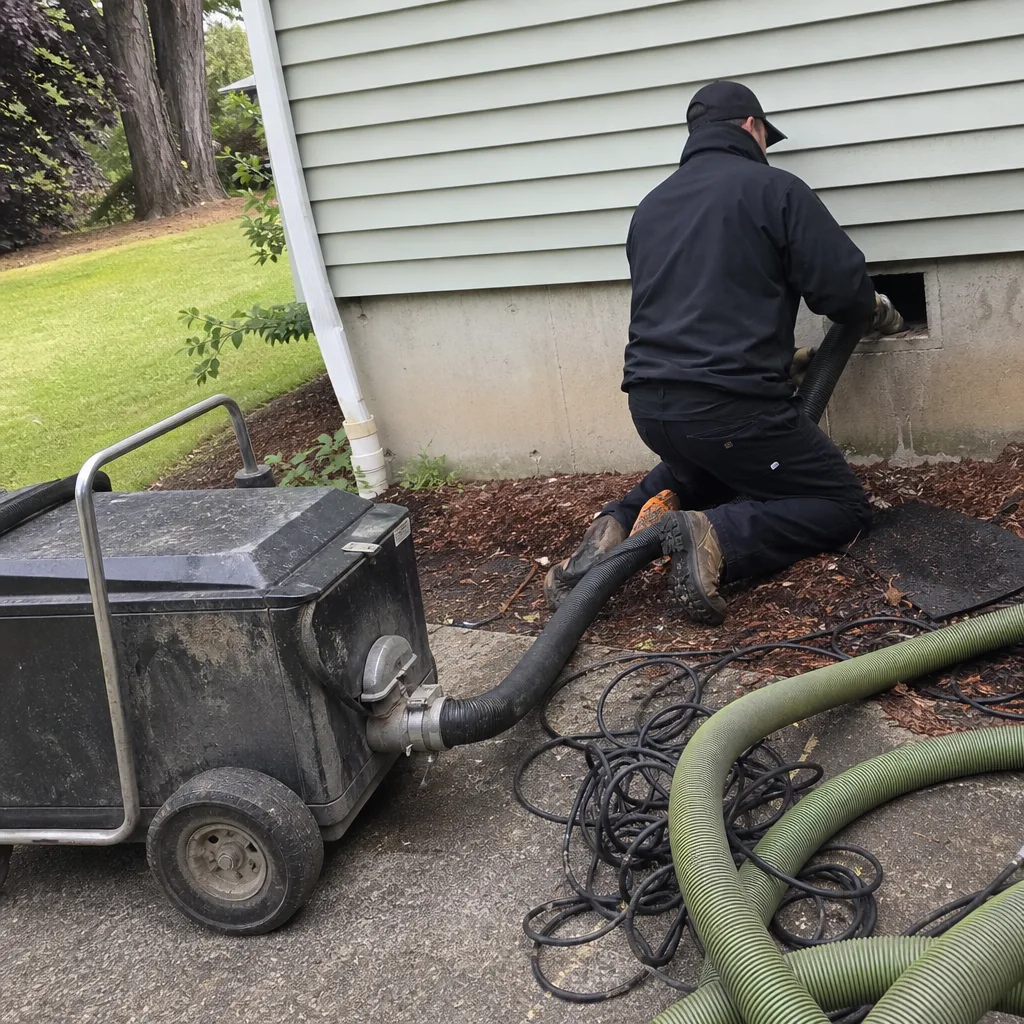 Before
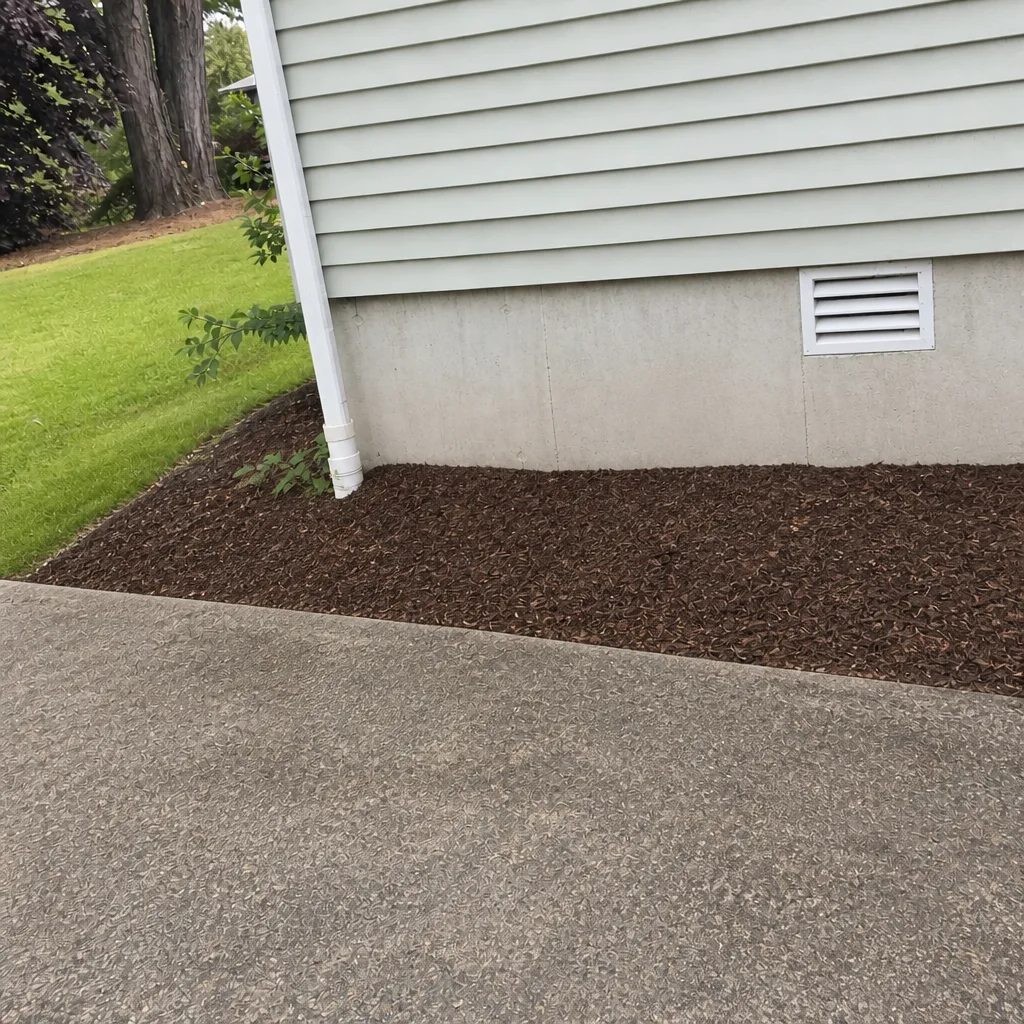 After