
Last updated November 25, 2026
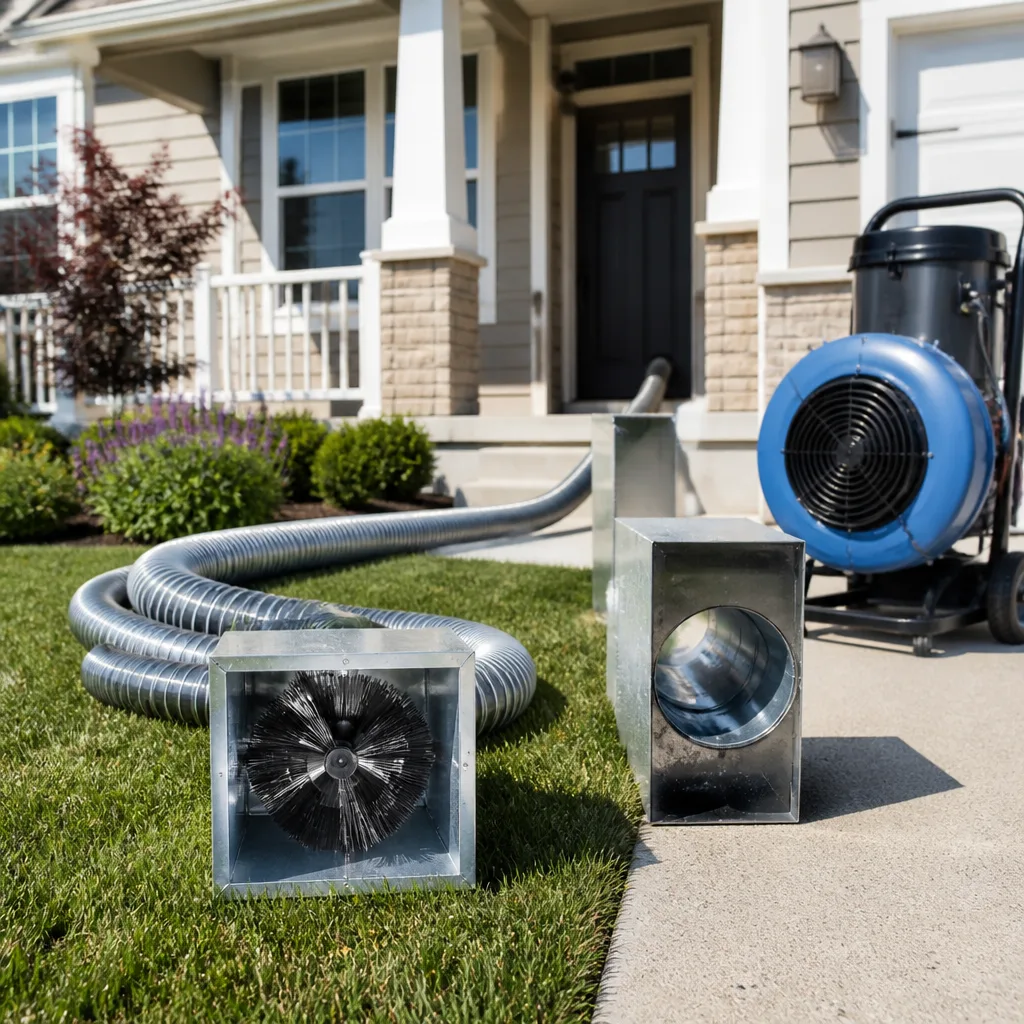 Whole-home duct cleaning
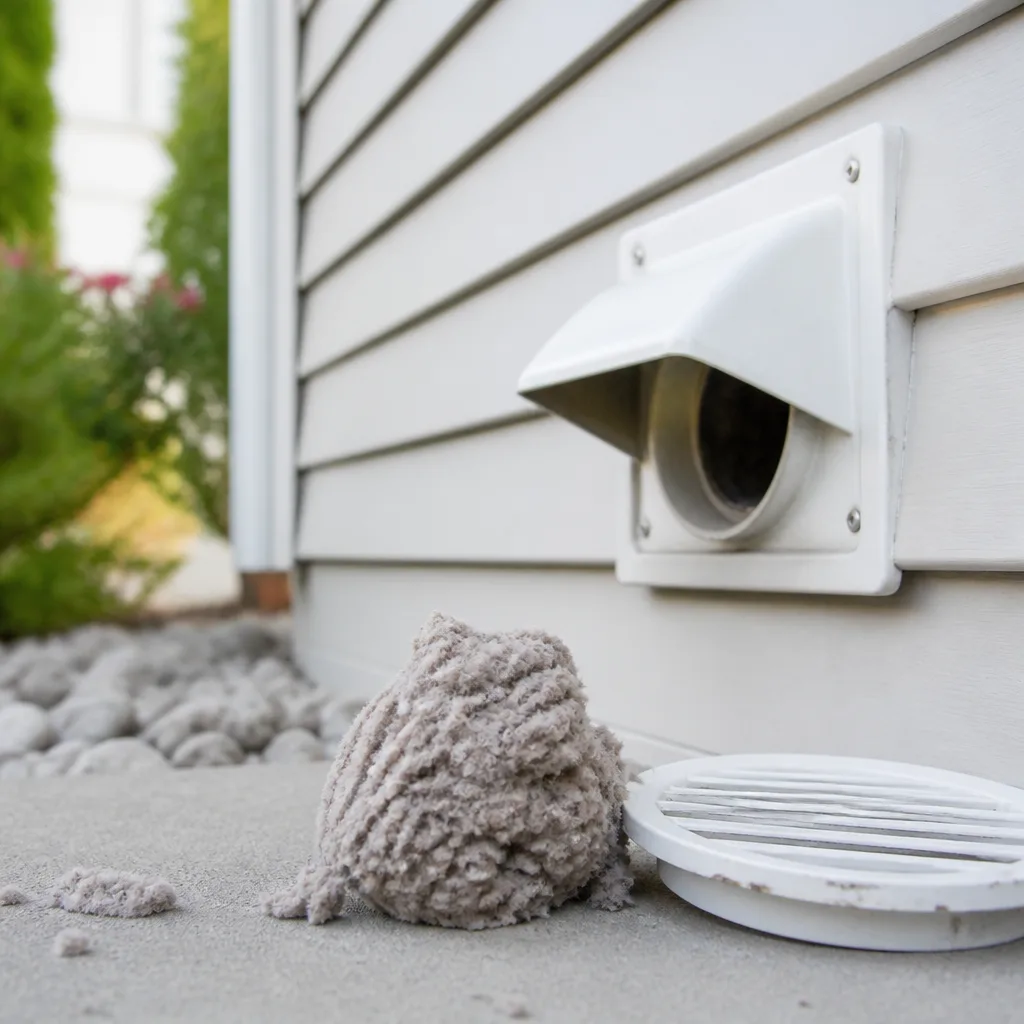 Dryer vent cleaning
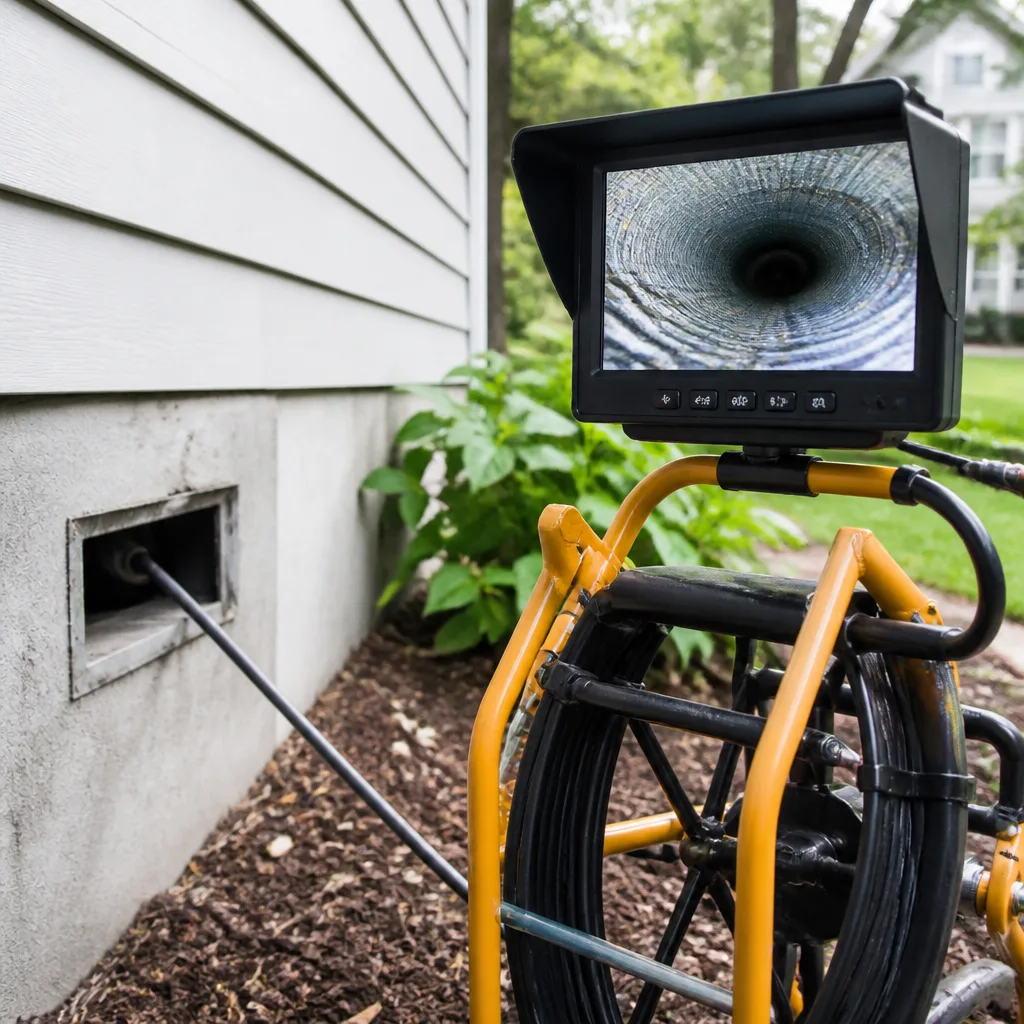 Camera inspection
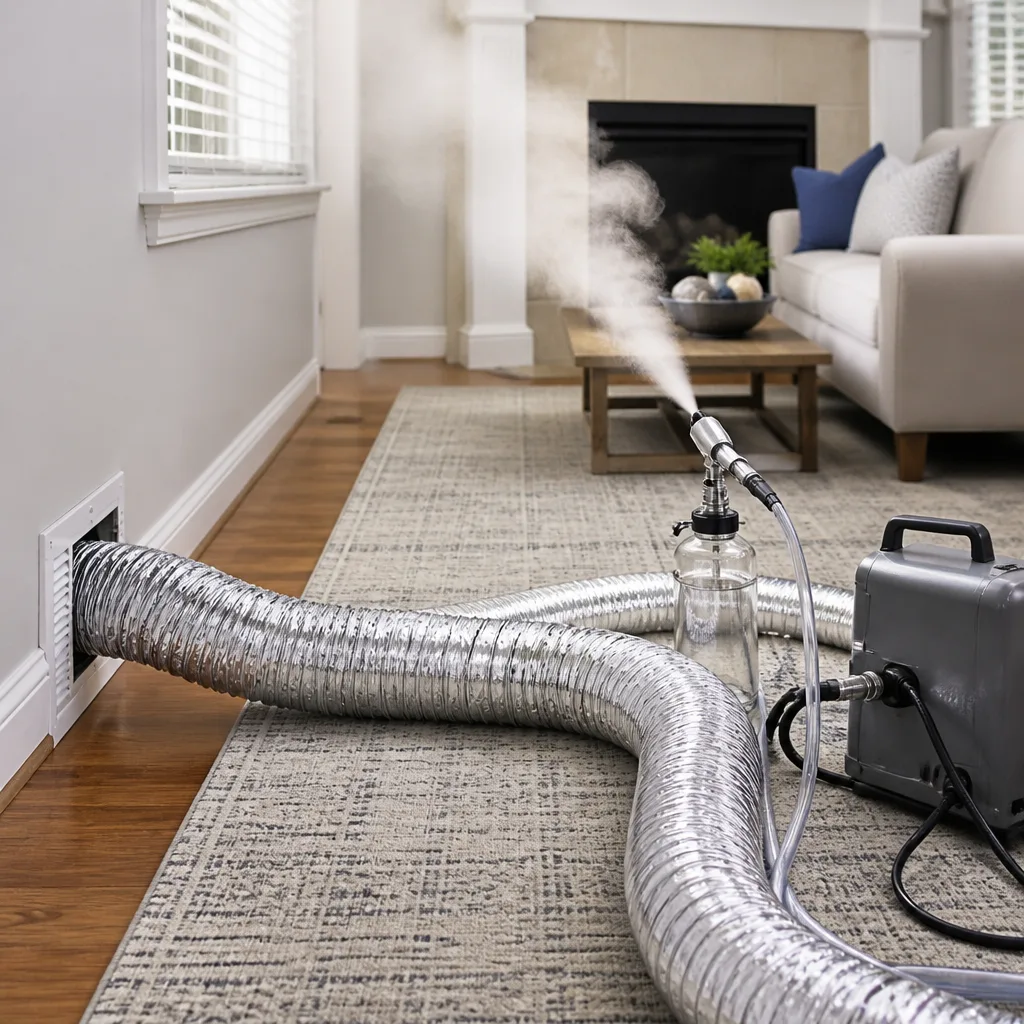 Sanitizing & deodorizing
Whole-system duct and dryer vent check with before-and-after photos - you see exactly what came out of your vents
That "$99 whole-house special" is a bait ad - the real number appears once they are in your hallway, or the "clean" is a shop-vac at the register. We photograph the inside of your ducts before and after instead.
Air Duct Cleaning Permits, Codes & Inspections in Federal Way, WA: What You Need to Know
No permit is required to clean your ducts. But if the technician cuts new access panels, seals disconnected joints, or replaces duct sections, you’ve crossed into work that Washington’s mechanical code covers. That line matters more than most homeowners realize, because duct cleaning and duct repair are usually sold together and rarely explained separately. Cleaning alone is maintenance. Cutting, sealing, rerouting, or replacing ductwork is a modification, and modifications fall under state and city rules. In this guide, we’ll walk through what Washington’s mechanical code actually says, when a City of Federal Way mechanical permit is triggered, how mold remediation in ductwork is regulated, and how to verify that any repair work done after a cleaning holds up at your next home sale or insurance inspection.
Quick Answer
In Federal Way, WA, routine air duct cleaning does not require a permit. Duct repair, duct replacement, new access panels, or rerouting of duct runs performed alongside a cleaning can require a City of Federal Way mechanical permit under Washington’s mechanical code (WAC 51-52). Mold remediation inside ductwork is a separate issue: Washington Department of Health guidelines point toward licensed remediation contractors for contaminated systems, and encapsulation products applied inside ducts need documented approval for HVAC use.
Styles & brands we work with
- Whole-home duct cleaning
- Dryer vent cleaning
- Camera inspection
- Sanitizing & deodorizing
Table of Contents
- Does air duct cleaning require a permit in Federal Way?
- What Washington’s mechanical code (WAC 51-52) covers
- When duct repair or replacement triggers a Federal Way permit
- Mold remediation in ductwork and WA DOH guidelines
- Encapsulation treatments: what approvals you should see
- How to verify post-cleaning duct work was done to code
- What an inspection looks for in Federal Way ductwork
Does air duct cleaning require a permit in Federal Way?
No. Air duct cleaning in Federal Way does not require a permit, because cleaning is classified as maintenance, not construction or alteration. A technician who removes dust, debris, and buildup from inside the duct system is not changing the mechanical system. That distinction is the foundation of everything below, and it’s the reason a legitimate cleaning job is a straightforward appointment rather than a permitting process.
Permits enter the picture only when the work crosses from cleaning into modification. The clearest way to separate the two is to ask what changes structurally:
- Cleaning only: no permit. This covers rotary brush cleaning, negative-pressure containment, contact vacuuming, and sanitizing products that don’t require a structural change.
- Cleaning plus sealed joints: a permit may be required if the joint was disconnected or if the duct needed additions to reach the seal.
- New access panels: a permit is typically required. Cutting a new panel alters the duct envelope and can affect the system’s pressure balance. Many older Federal Way homes built in the 1970s and 1980s have limited existing access, so this is more common than it sounds.
- Replacing duct sections: a permit is required. Replacement means adding or removing mechanical components under WAC 51-52.
- Rerouting a duct run: a permit is required. Moving ductwork changes the system layout and airflow design.
Federal Way’s housing mix matters here. Neighborhoods like Twin Lakes, Redondo, and the older pockets near Dash Point Road have homes where duct systems have been added to over the years, sometimes with undocumented alterations. When we clean a system and find a duct run that wasn’t on the original design, we flag it to the homeowner so they can decide whether to involve their contractor. Cleaning is what we do; permitting is what the property owner and their licensed contractor handle. If your next question is who to call for the cleaning itself, the Federal Way air duct cleaning team handles that part of the job.
What Washington’s mechanical code (WAC 51-52) covers
WAC 51-52 is Washington State’s mechanical code. It governs the installation, alteration, repair, replacement, and maintenance of mechanical systems, and ductwork falls under its scope. The code exists to ensure that ventilation, exhaust, and air distribution systems function safely and that alterations don’t create unsafe conditions, like backdrafting combustion appliances or pulling conditioned air out of an improperly sealed return system.
Here’s the part that surprises homeowners: WAC 51-52 addresses duct sealing, duct support, and duct material standards, not just the equipment that pushes air. That means a duct repair is code-relevant work even though no one thinks of ductwork as “mechanical.” A few areas the code touches that come up in Federal Way jobs:
- Sealing: joints, seams, and connections must be sealed to prevent leakage into unconditioned spaces like crawlspaces and attics.
- Support and clearances: ducts must be supported and maintain required clearances from combustible materials.
- Material approval: duct materials and sealants must be listed and approved for the application. This is where cheaper tapes and untested coatings fail inspection.
- Return air paths: alterations can’t create return air pathways through spaces that would pull in combustion byproducts.
The practical takeaway: if a duct repair job is done with the right materials, the right sealants, and the right support, it complies with WAC 51-52 whether or not a permit was pulled. If it’s done with consumer duct tape and bailing support, it doesn’t comply, even if a permit was pulled. Federal Way homeowners should care about the materials and the documentation as much as the paper permit, because both are checked at resale and by insurers.
For a full explanation of what a proper cleaning involves before any of this structural conversation begins, see our guide on air duct cleaning.
When duct repair or replacement triggers a Federal Way permit
A City of Federal Way mechanical permit is typically required when work on your duct system involves structural change, system capacity change, or alteration of the mechanical system’s design. Cleaning itself never triggers one. The line sits at the point where the technician changes the physical ductwork rather than just what’s inside it.
The most common triggers we see at Federal Way cleaning appointments:
- A disconnected duct joint is found during cleaning. If the joint can be reconnected and resealed without cutting into the duct, most jobs stay in the maintenance category. If cutting is required to reach and repair the joint, that cut is an alteration, and a permit may be required.
- Rotted or crushed flex duct behind an inaccessible wall or attic chase. Replacement of the duct section is alteration work.
- Adding a new return-air duct or new supply run for a remodeled room. This is unmistakably permit territory under WAC 51-52.
- Cutting new access panels into ductwork to reach clogged sections. This is one of the most common and most overlooked triggers. Homeowners who’ve been told “we’ll just cut in here” should ask whether the contractor intends to permit the cut.
- Upgrading from undersized duct runs to a larger diameter. Capacity change is a design change.
- Installing an air quality component that ties into the duct system, such as a whole-home filtration unit that requires a bypass duct. Bypass installation is alteration.
Federal Way’s climate matters to this conversation. Western Washington’s damp fall and winter push homeowners to run heating systems longer than in drier regions, and that extended run time stresses seams, joints, and flex duct connections over the decades. A duct system that was fine at installation may develop loose joints by the time a cleaning uncovers them. When that happens, the decision point is whether to reseal in place or to cut and replace. Each path has a permit answer, and the homeowner deserves to hear it before work begins, in the estimate, in writing.
Mold remediation in ductwork and WA DOH guidelines
Mold inside air ducts is rare, but it happens, most often in unconditioned crawl spaces and in return-air chases where condensation can collect. When a cleaning inspection turns up mold growth on duct liner or on the interior surface, cleaning is no longer enough by itself, and remediation enters the conversation.
Washington Department of Health guidelines for mold remediation in buildings set a practical threshold: small, isolated areas of mold (roughly under 10 square feet of affected material, according to common industry practice that aligns with DOH framing) can often be handled with basic containment and cleaning practices, while larger or HVAC-involved mold issues call for a licensed remediation contractor. Ductwork falls into the “HVAC-involved” category when growth is established inside the system, because cleaning alone won’t correct the moisture source and because cross-contamination risk is high without containment. The Department of Health’s published guidance is the reference point to check when a contractor tells you what level of remediation your job needs.
In our experience, what looks like mold on a duct interior is often dust, debris, or mineral staining, especially on the metal ductwork common in Federal Way homes. Proving which it is matters. That’s where equipment separates a real inspection from a franchise script: a Rotobrush rotary brush system with camera-assisted inspection shows you the surface condition; a shop vac and a flashlight just show you a guess. When we deploy Abatement Technologies air filtration during service, we capture what’s dislodged rather than recirculating it through the house. If the inspection does reveal mold, we tell the homeowner directly that licensed remediation is the right referral path, not just another cleaning pass.
A word on safety here: the electrical components, combustion appliances, and air handler serving your duct system should only be touched by trained technicians. If mold, moisture, or debris is discovered near a gas furnace or electrical panel, do not open the system yourself. The technicians we connect you with are trained to inspect and clean without disturbing live equipment, and they’ll stop and tell you when a licensed remediation contractor or electrician is the right call.
Encapsulation treatments: what approvals you should see
Encapsulation in HVAC context refers to a coating applied inside ductwork to seal a surface or lock down contaminants that mechanical cleaning can’t fully remove. The word gets used loosely in the trade, and homeowners should know what separates a legitimate encapsulation application from a sales pitch.
Washington’s mechanical code and the industry standards that support it (including the National Air Duct Cleaners Association’s cleaning standards referenced by many insurers and inspectors) don’t prohibit encapsulation, but they do require that any product applied inside a duct system be listed and approved for HVAC use. The material must not off-gas in a way that harms occupants, must maintain its integrity at the system’s operating temperature, and must be documented so the next person inspecting the system can verify what was applied.
If a contractor proposes encapsulation in your Federal Way home, ask for these three items before work starts:
- The product’s safety data sheet (SDS) and manufacturer’s technical data sheet, showing the product is approved for application inside HVAC ductwork.
- The product’s intended scope: is it for interior duct surface coating, or is it designed for exterior sealing? They are not interchangeable.
- Written documentation of what was applied, where, and when, included in your service record. This is what insurers and home inspectors ask for.
Encapsulation is only appropriate after thorough mechanical cleaning, because sealing over debris traps it in place. Sanitizing treatments, which come after mechanical cleaning in a proper sequence, use different products and have their own documentation requirements. A contractor who can’t clearly explain which step is which and hand you the paperwork behind each likely isn’t qualified to apply either. The team behind our HVAC cleaning service treats this documentation as part of the job, not an upsell.
How to verify post-cleaning duct work was done to code
Verification starts before the work, not after. The homeowner who ends up with a code-compliant duct repair at resale or insurance inspection is almost always the one who asked the right questions at the estimate stage. Here’s the sequence that protects you:
- Get the scope in writing. The estimate should distinguish cleaning from repair, and identify any duct section being replaced, any new access panel being cut, and any joint being resealed. If a permit is required, the scope should say who is pulling it.
- Ask what permit, if any, the work will require. A contractor who does this work routinely will answer without hesitation. A contractor who doesn’t know is a contractor who may be doing unpermitted alteration work.
- Photograph before and after. You should have photos of the duct interior before cleaning, the debris captured, the duct interior after cleaning, and any repair or seal work performed. This is your evidence file. Any contractor who won’t provide photos of your own system is not doing verifiable work.
- Request documentation of materials and products. For any sealant, encapsulant, or sanitizer used, ask for the product name and the manufacturer’s documentation. Keep it with your home records.
- For any permitted work, verify the permit with the City of Federal Way. Confirm the permit was pulled under the correct contractor’s license and that it was finaled after inspection. Unfinaled permits can surface as an issue at resale.
- File the paperwork together. The invoice, before-and-after photos, product documentation, and the permit record all belong in the same file. When an insurer or home inspector asks about the duct system, the file answers in one pass.
Our technicians have up to 9 years of experience, and the pattern we consistently see is that the paperwork is what saves homeowners time and money, not the price they paid for the clean.
What an inspection looks for in Federal Way ductwork
When a home inspector, insurer, or mechanical inspector examines your duct system, they’re looking for the same set of items, and knowing what they are makes the verification step concrete. A Federal Way duct inspection typically checks:
- Duct support and sag. Flex duct that has been caught on joists or hung with baling wire is a common finding in older Federal Way homes, particularly attic runs.
- Seal integrity at joints and boots. Gaps at register boots and duct collars are the top source of energy loss and the top finding on inspection.
- Material approval and installation condition. Duct tape used where code requires listed mastic or foil tape is a finding.
- Clearances from combustibles and the condition of the duct in unconditioned spaces. Crawlspace and attic duct runs are inspected for insulation integrity and moisture intrusion.
- Return air pathway condition. Return chases in Federal Way homes are often the tightest space in the system and the hardest to clean without proper access.
- Documentation of any repair or treatment. The inspector wants to see what was done, when, and to what standard. Photos and product documentation do the talking.
The most common inspection failure isn’t a dramatic code violation, it’s missing documentation. A homeowner who paid for a proper clean and a proper seal, but can’t prove it, ends up paying for a re-inspection or a partial re-do. Keep the file.
One more thing to verify: your dryer vent. Dryer vents are a separate ventilation system with their own code requirements under the mechanical code, and they are a leading cause of residential house fires. Our dryer vent cleaning service addresses that system as part of a whole-home approach, because a duct cleaning that ignores the dryer vent leaves the highest-risk run untouched.
Common Mistakes to Avoid
- Treating “cleaning” and “repair” as the same service. A quote that says “duct cleaning including sealing” without itemizing which joints are being sealed and how leaves you unable to verify code compliance later. Ask for the itemization.
- Letting a technician cut new access panels without a permit discussion. In Federal Way’s older homes, new panels are common, and they’re one of the clearest cases where a permit is required. Make the permit question part of the estimate.
- Accepting encapsulation without product documentation. Any product applied inside a duct system should have an SDS and a technical data sheet available to you. If a contractor can’t produce one, that product shouldn’t go in your ductwork.
- Skipping photos. A clean that isn’t photographed before and after isn’t verifiable. This is true on insurance claims and true at resale.
- Assuming a home inspector won’t check the duct system. Federal Way home inspections routinely flag duct support, sealing, and material issues. Get ahead of those items during the cleaning visit, not at closing.
- Cleaning the ducts but not addressing leaks. Cleaning a leaky duct system releases the same contaminants next heating season. Repair and sealing closure is the step that makes a clean last.
- Overlooking the dryer vent. A duct cleaning appointment that skips the dryer vent leaves a code-relevant ventilation system unaddressed. Confirm the scope covers it.
See the difference
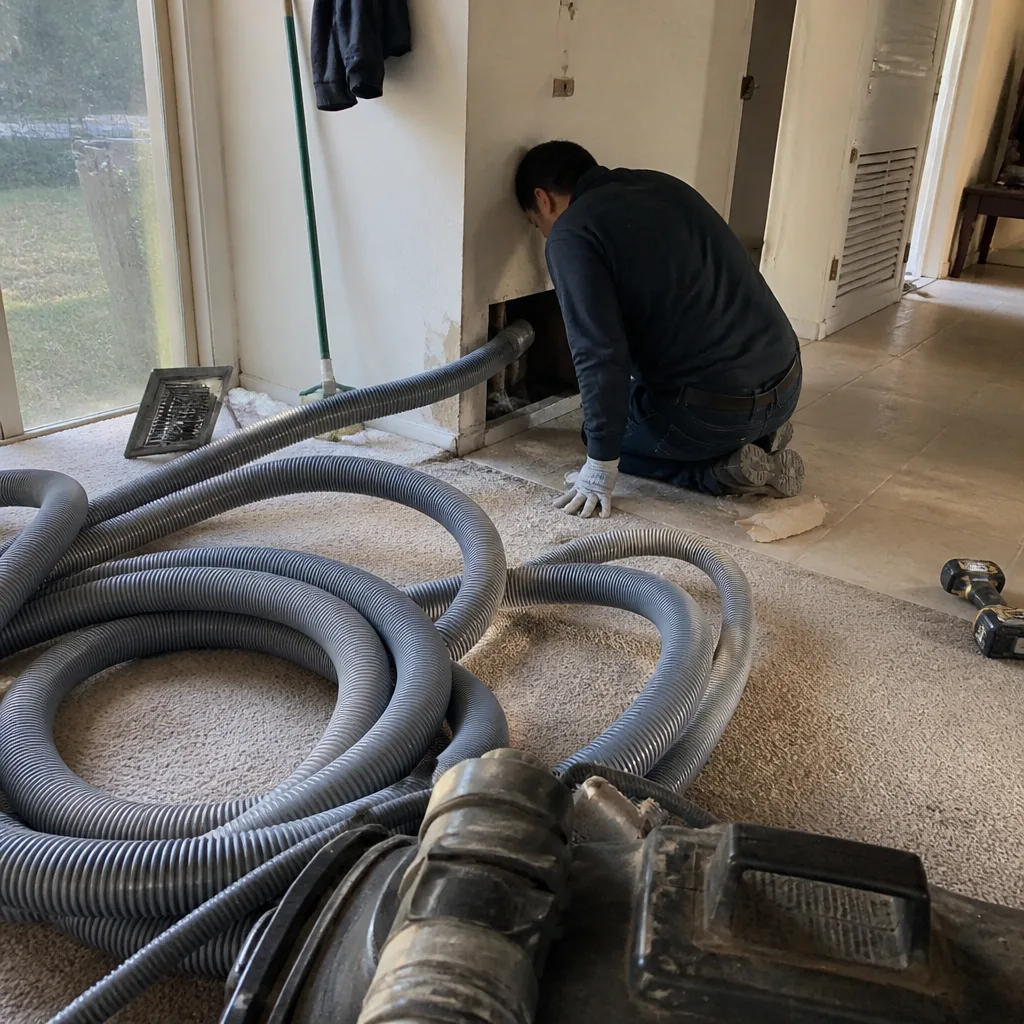 Before
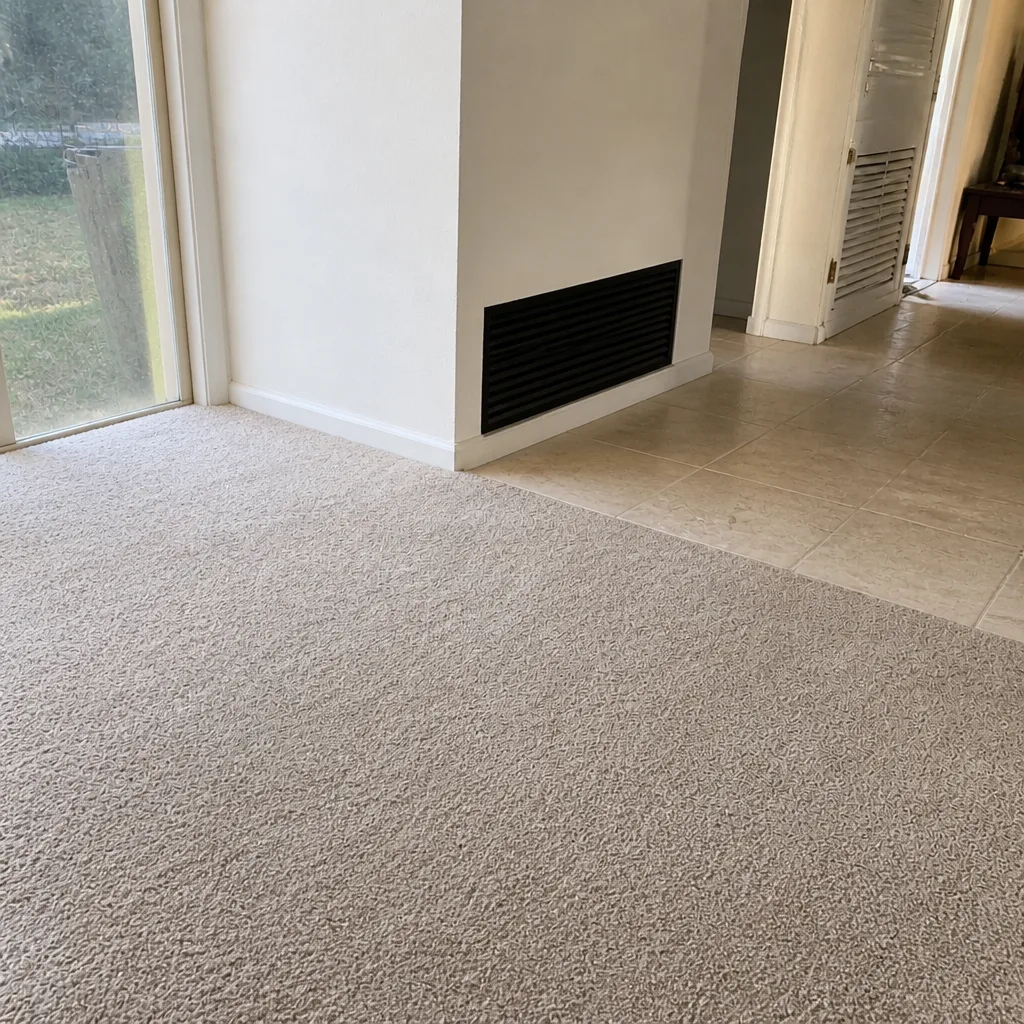 After
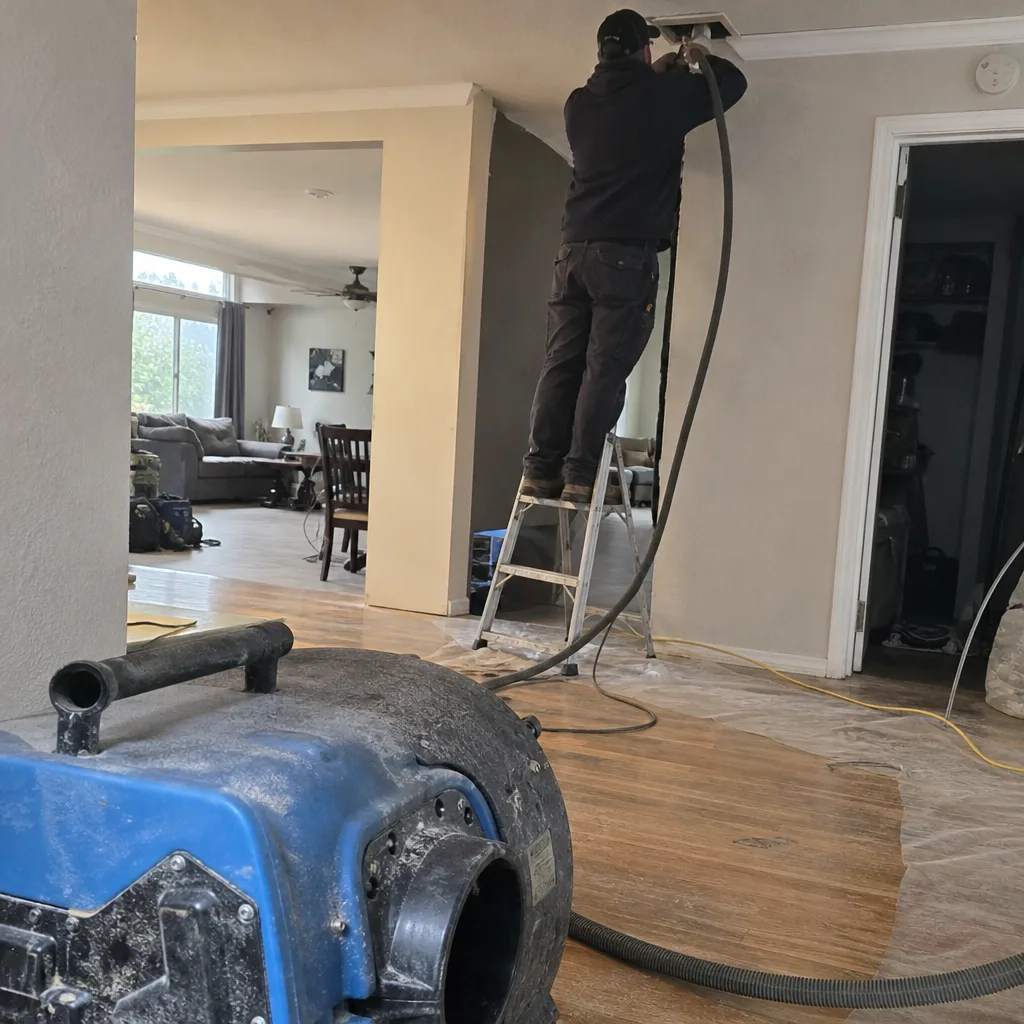 Before
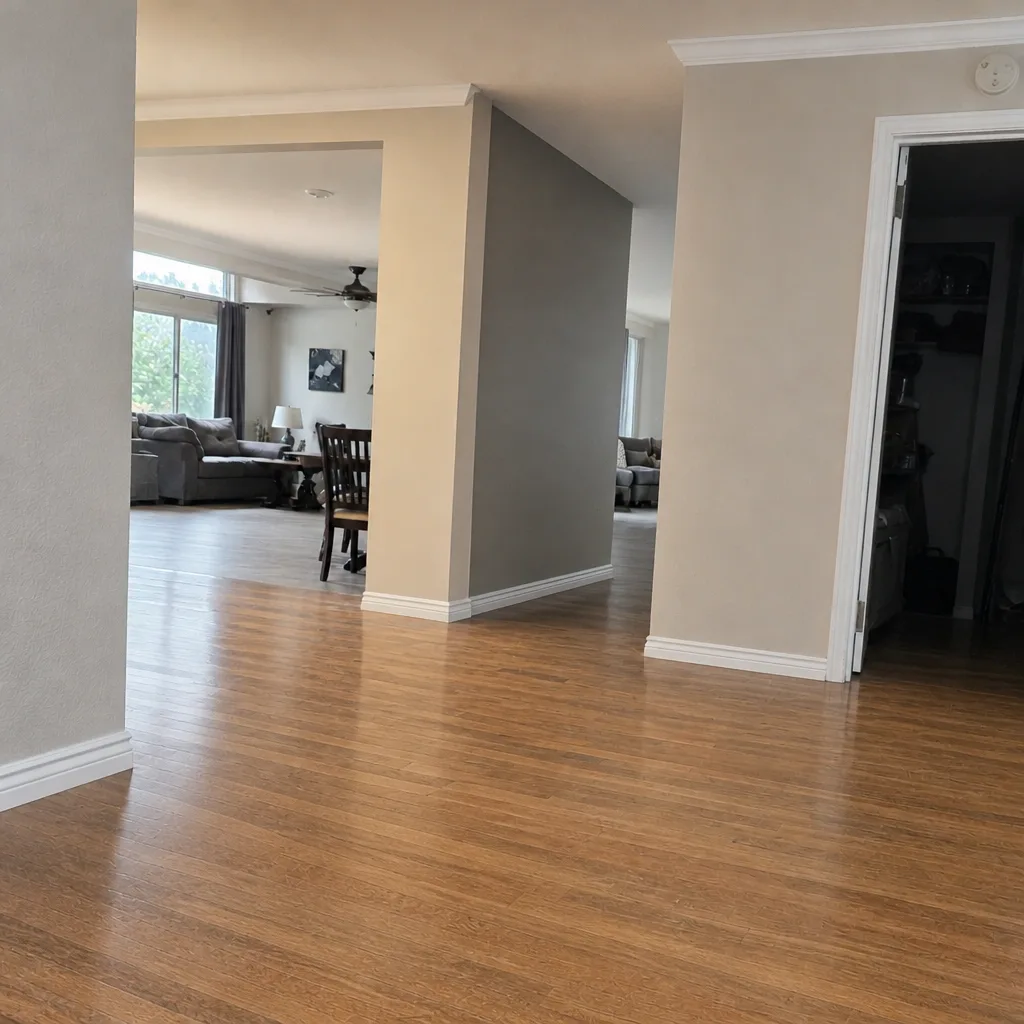 After
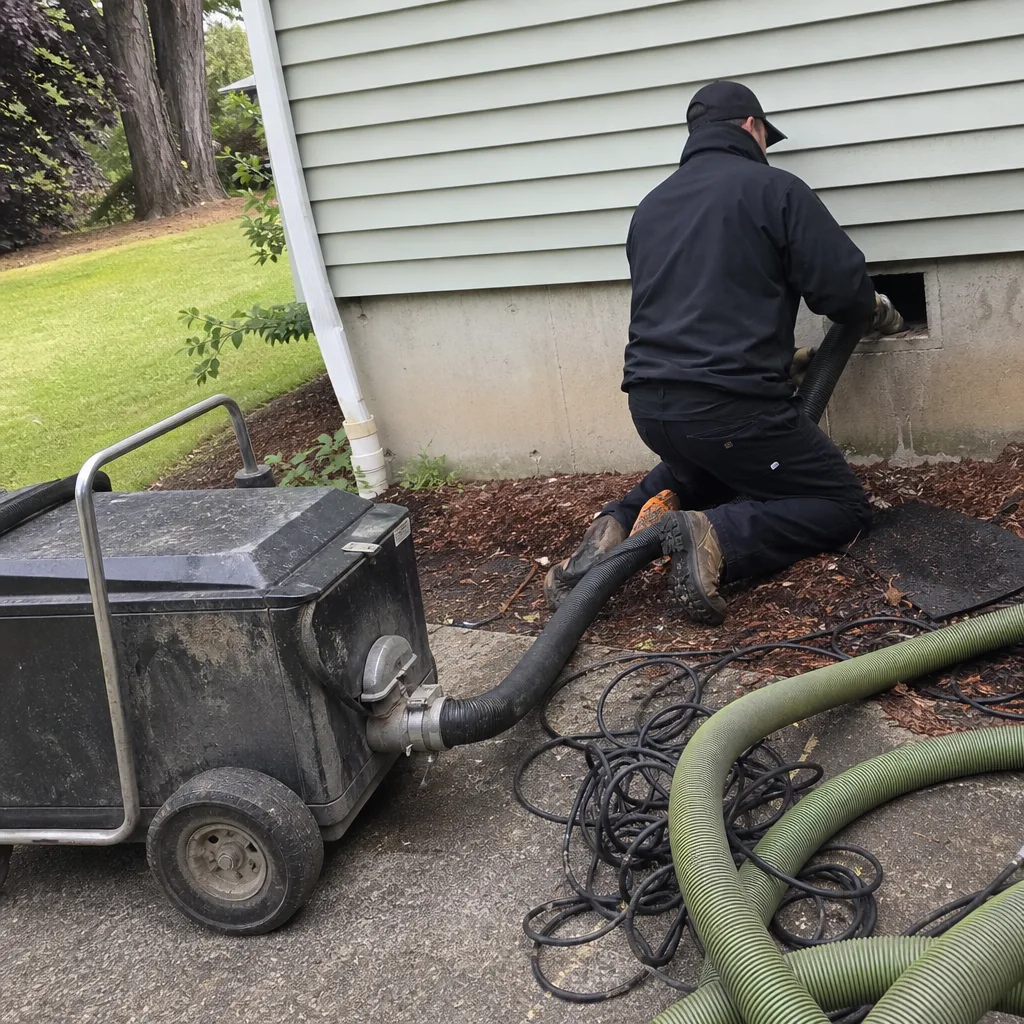 Before
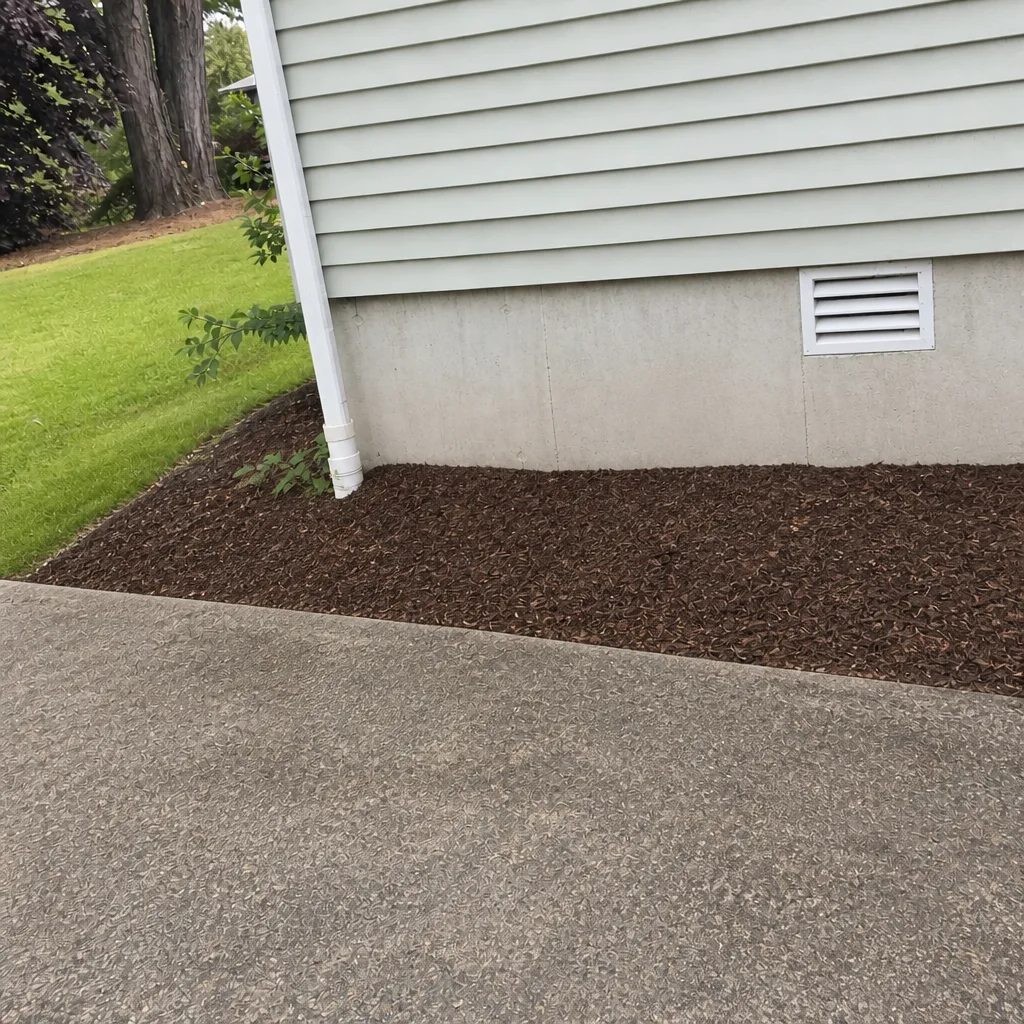 After
When to Call a Professional
Call a professional if you’ve noticed musty odors when the heat kicks on, visible dust puffing from registers, uneven airflow between rooms, or a duct system that hasn’t been serviced in several years. Call sooner if you’re planning a home sale, if your insurer has questions about the duct system, or if a prior cleaning turned up disconnected or damaged ducts that weren’t repaired. Federal Way Air Duct Cleaning offers free estimates in Federal Way. The estimate sets a flat price per system, documents the scope in writing, and separates cleaning from any repair or sealing so you can see exactly where a permit may apply. Call (833) 482-6220.
Frequently Asked Questions
No. Air duct cleaning is classified as maintenance and does not require a City of Federal Way permit. A permit is only triggered when work crosses into duct repair, duct replacement, new access panels, or rerouting of the duct system under Washington’s mechanical code. If your cleaning uncovers a repair that involves cutting into ductwork, ask your contractor about the permit before the work is scheduled. For the cleaning itself, call (833) 482-6220 for a free estimate.
Duct repair requires a permit when it involves a structural alteration to the duct system: replacing a duct section, cutting a new access panel, rerouting a run, or changing the system’s capacity. Sealing an accessible joint or replacing a register boot without altering the duct envelope typically stays in the maintenance category. When in doubt, ask the contractor to identify whether the repair requires a permit and who is pulling it. We’re glad to discuss what your job involves at the estimate; call (833) 482-6220.
Small, isolated spots may fall under routine cleaning practice, but when mold is established inside ductwork, Washington Department of Health guidance points toward a licensed remediation contractor. Ductwork is a system where cross-contamination risk is real without containment, so remediation-level scopes are the safer call. Our technicians identify what they find during inspection and tell you when remediation is the right referral. Call (833) 482-6220 for an estimate and an honest scope.
Duct encapsulation is a coating applied to the interior of ductwork after mechanical cleaning to seal a surface or lock down residue. Any product applied inside a duct system must be listed and approved for HVAC use and should come with a safety data sheet and technical data sheet you can keep. Ask for that documentation before the product is applied. Call (833) 482-6220 and we’ll walk you through what’s appropriate for your system.
Ask for the permit record, before-and-after photos of the duct system, and the product documentation for any sealant or coating used. Verify any permitted work through the City of Federal Way, including that the permit was finaled after inspection. Keep everything in one file for your buyer’s inspector. If a prior cleaning left you without documentation, call (833) 482-6220 and we can inspect the system and put together a clear picture of its current condition.
It depends on whether the upgrade alters the duct system. A unit that mounts onto existing ductwork without creating a bypass or cutting new duct often doesn’t require a permit; a system that adds a bypass duct or modifies the layout usually does. Federal Way homeowners installing Aprilaire or Honeywell equipment should ask the installer to confirm the permit position in writing. To discuss a cleaning that pairs with an air quality upgrade, call (833) 482-6220. We answer 24/7, with fast dispatch from 7am to 7pm, Sunday through Friday.
The Bottom Line
Air duct cleaning in Federal Way doesn’t need a permit, but duct repair, duct replacement, new access panels, and rerouting do, because those are alterations under Washington’s mechanical code (WAC 51-52). Mold inside ductwork is a remediation question, not a cleaning question, and encapsulation products need documented approval for HVAC use. The homeowner who asks about the permit line before work starts, who keeps photos, product documentation, and permit records together, and who treats dryer vent cleaning as part of the ventilation system is the homeowner who passes inspection at resale without a scramble. Cleaning is maintenance. Repair is code work. Know the difference and you’ll be in control of the file.
Federal Way Air Duct Cleaning offers free estimates in Federal Way and uses professional-grade Rotobrush and Nikro systems on every job, with Abatement Technologies filtration on site. Call (833) 482-6220. We answer 24/7. Fast dispatch from 7am to 7pm, Sunday through Friday.
Written by the team at Federal Way Air Duct Cleaning.